kidnapping industry fuels Boko Haram’s war in the Sahel
The kidnapping economy has evolved into a structured industry fueling terrorism in West Africa. Between July 2024 and June 2025 alone, nearly 4,700 people were abducted in nearly 1,000 incidents across the region, with hundreds killed in attacks that frequently target schools. While the northeastern Nigeria remains the epicenter, these operations now span into central Nigeria, Niger, Chad, and Cameroon—particularly around the Lake Chad basin, a hotbed of jihadist activity.
The evolving tactics of Boko Haram and ISWAP
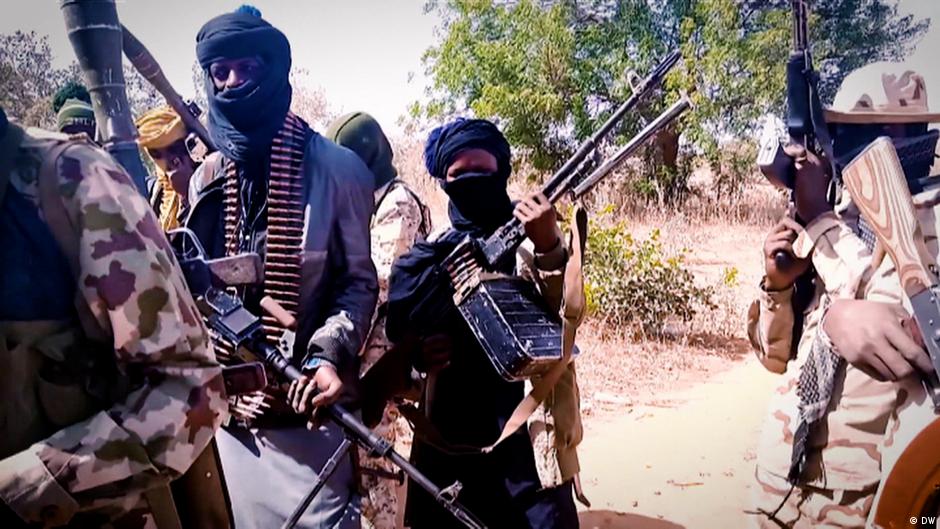
Boko Haram, designated a terrorist organization by the United Nations in 2014, has long used kidnapping as both a recruitment tool and a revenue stream. The group’s tactics have expanded beyond indiscriminate violence to include targeted mass abductions, often of schoolchildren, to coerce communities into compliance or payment.
In March 2025, Boko Haram kidnapped seven Chadian nationals near the Chad-Niger border, killing one and demanding 50 million CFA francs for the remaining six hostages. A seventh hostage—a doctor—was priced at a staggering 500 million CFA francs, highlighting the group’s escalating ransom demands.
Meanwhile, the Islamic State West Africa Province (ISWAP), which split from Boko Haram in 2016 over ideological and tactical differences, has adopted a more calculated approach. ISWAP seeks to build local legitimacy by minimizing civilian casualties and focusing on strategic targets, though it remains locked in violent rivalry with Boko Haram over territorial control in the Lake Chad region.
How kidnappings fuel insurgency in the Sahel
According to security analyst Remadji Hoinathy of the Institute for Security Studies (ISS), kidnappings serve two primary purposes for these groups: recruitment and economic sustenance.
Forced recruitment targets not only young men but also women and entire communities, who are either conscripted as fighters, used as labor, or subjected to sexual slavery. Meanwhile, ransom payments—demanded in naira or CFA francs—provide a steady income stream. Families, local communities, and even governments have reportedly paid millions to secure the release of hostages.
In Nigeria, where kidnappings have reached endemic levels, ransom demands totaled over $35 million in the past year. Despite a 2022 law criminalizing ransom payments—punishable by up to 15 years in prison—enforcement remains inconsistent. While Abuja officially denies paying ransoms, reports suggest state actors have quietly negotiated releases, including a recent case involving 230 Catholic school students and staff abducted in November 2025 in Niger State.
The Lake Chad basin: a jihadist stronghold
Boko Haram’s birthplace in Maiduguri, Borno State, Nigeria, has long served as its ideological and operational core. However, the group’s influence has extended far beyond Nigeria’s borders, encompassing the Lake Chad basin, a vast transnational region shared by Nigeria, Niger, Chad, and Cameroon.
Analysts point to several reasons why the basin remains a strategic haven for jihadists:
- Geopolitical fragmentation: Weak state presence in peripheral areas allows armed groups to operate with impunity.
- Transnational flows: The region serves as a conduit for arms, fighters, and illicit trade, linking the Sahel to Libya and beyond.
- Resource-rich environment: The basin supports robust agricultural and pastoral economies, enabling local financing for insurgent groups.
- Geographical advantage: Dense forests, swamps, and remote islands provide natural cover for militants evading military pressure.
Efforts to counter the insurgency
Regional governments have pursued both military and developmental responses. The Multinational Joint Task Force (MNJTF), comprising troops from Nigeria, Niger, Chad, Cameroon, and Benin, has been the cornerstone of collective security efforts. Yet, despite over a decade of counter-insurgency operations, Boko Haram and ISWAP continue to adapt, regroup, and launch new attacks.
Analysts argue that the lack of sustainable stabilization in affected areas—particularly in remote border zones—has allowed jihadist groups to exploit local grievances and maintain their operations. Economic marginalization, porous borders, and weak governance continue to undermine long-term peacebuilding.
The conflict, now in its sixteenth year, has claimed over 40,000 lives and displaced more than two million people in northeastern Nigeria alone. The United States has supported regional efforts by deploying approximately 200 military advisors to train and assist Nigerian forces in their fight against these insurgent groups.