China’s military buildup raises urgent questions in the Pacific
As tensions escalate in the Taiwan Strait, Beijing has quietly deployed over 100 naval vessels in large-scale exercises across the Western Pacific. Adding to international concern, Taiwanese security sources report a suspected submarine-launched ballistic missile test—raising fears about China’s long-term strategic intentions toward Taipei and its regional allies.
What’s behind China’s massive naval mobilization?
Unannounced military drills conducted in early November involved multiple Chinese fleets, including the aircraft carrier Liaoning’s strike group. More than 100 ships, drawn from the Eastern, Northern, and Southern fleets, conducted coordinated operations suggesting a shift from routine exercises to possible war-gaming scenarios.
Analysts suggest these maneuvers may test capabilities for encircling Taiwan, disrupting maritime trade routes, and projecting power across the First Island Chain—a critical concern for Japan and U.S. forces in the region.
Could these drills signal a creeping blockade strategy?
Taiwanese military observers warn that Beijing’s gradual military pressure could lay the groundwork for a de facto blockade without triggering direct conflict. With around 70 ships still operating inside the First Island Chain as of mid-November, the risk of miscalculation or unintended escalation remains high.
Did China conduct a secret missile test from a submarine?
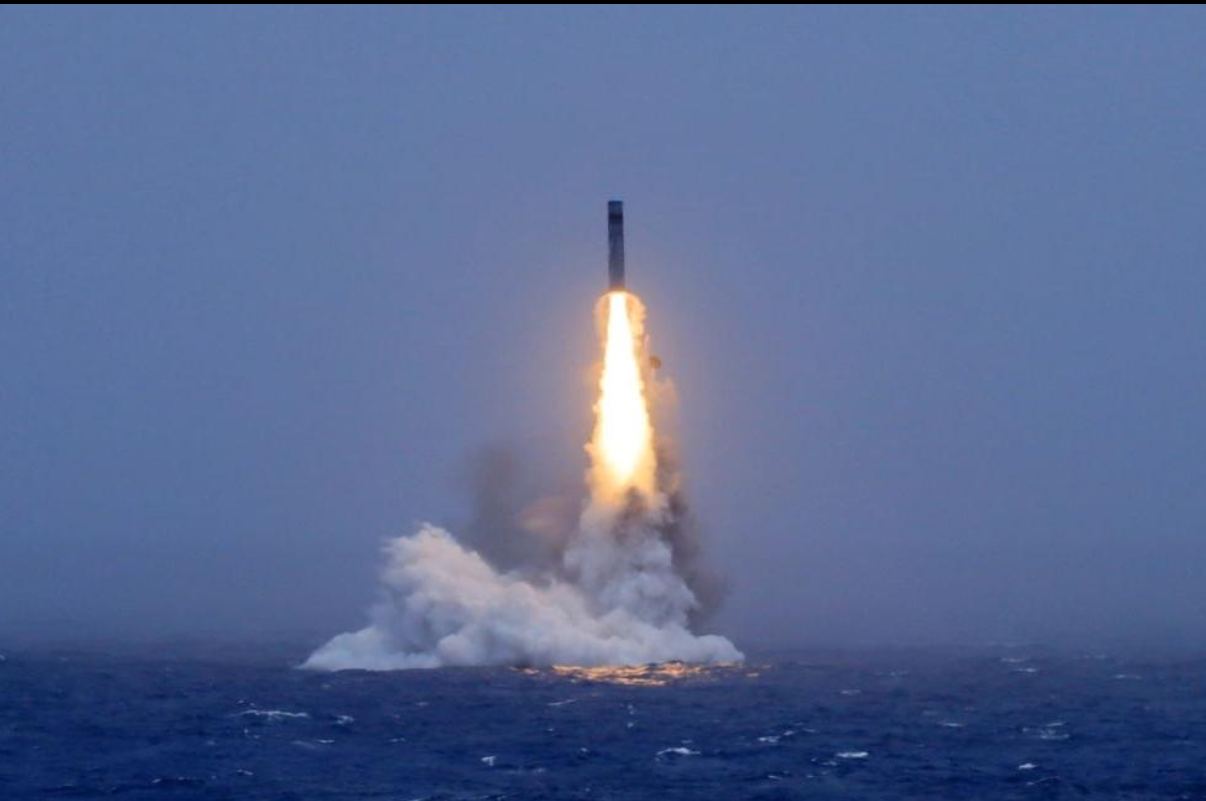
A high-ranking Taiwanese defense source claims a Chinese submarine launched an intercontinental ballistic missile (ICBM) during the exercises. The alleged test, reportedly in the Yellow Sea, underscores China’s growing submarine deterrence capabilities—though full technical details remain unverified.
While no independent confirmation exists, the implications are significant. Submarine-launched ballistic missiles (SLBMs) are notoriously hard to track, reinforcing China’s nuclear second-strike potential and complicating regional security calculations.
Why is China keeping these moves quiet?
Experts describe Beijing’s approach as “covert intimidation”—a tactic designed to exert psychological pressure on Taiwan while minimizing diplomatic fallout. By avoiding official announcements, China forces Taipei to respond to silent threats, testing allied surveillance and coordination without provoking immediate international condemnation.
The timing of the drills, just days before the APEC summit in Shenzhen, has also fueled speculation about possible ulterior motives—though no direct link to the diplomatic event has been confirmed.
How are Japan and the U.S. responding to the threat?
Tokyo, situated at the heart of the First Island Chain, faces the highest exposure to escalation. Disruptions in the Taiwan Strait could threaten critical sea lanes, energy supplies, and U.S. military operations in the Pacific.
Washington has not yet commented on the suspected missile test but continues to monitor China’s evolving strategy in the region. A Chinese denial-of-access policy could pose a direct challenge to American freedom of navigation and alliance commitments in East Asia.
Is the G7 doing enough to counter Beijing?
Days before the drills, the G7 foreign ministers issued a rare joint statement expressing “serious concern” over Chinese military activities east of Taiwan. Their warning highlighted risks to regional stability, maritime security, and global trade—but whether such diplomatic pressure alone can curb Beijing’s ambitions remains uncertain.
Taiwan’s balancing act amid rising tensions
While no immediate invasion threat is detected, the sheer scale of China’s operations—combined with simulated strikes on foreign military targets—paints a picture of a sustained pressure campaign. For Taipei, the challenge is to counter China’s incremental gains without provoking an all-out conflict.
The question now looms large: How far will Beijing go to assert control over the Taiwan Strait—and who will stand in its way?