Why did Niger’s military government backtrack on fuel price hikes?
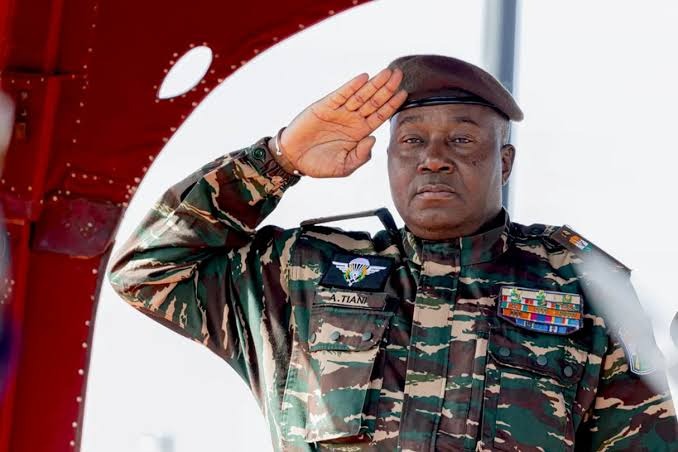
At first glance, the decision to freeze fuel prices in Niger appears as a social measure to protect household purchasing power. Yet, when the general Abdourahamane Tiani’s administration reversed its plan to raise gas and diesel prices, it exposed a deeper political crisis within the National Council for the Safeguard of the Homeland (CNSP). This move was far from a triumph for the public—it marked the junta’s first major political retreat since seizing power in July 2023.
The unspoken fractures within Niger’s transitional government
The sudden U-turn came after intense internal debates. While the Consultative Council for Rebuilding Niger and the Ministry of Petroleum had recommended a “reasonable” price adjustment to ease the strain on depleted public finances, the head of state opted to disregard his own advisors. This reversal highlights growing divisions at the heart of power in Niamey, where technocratic rigidity clashes with fears of mass unrest.
The regime now appears paralyzed, oscillating between economic necessity and political survival. Each decision is made cautiously, driven by the looming threat of a grassroots uprising that could destabilize the entire country. The bold rhetoric of the past year has given way to survival tactics, where every concession signals weakness rather than strength.
From economic bandage to ticking time bomb
The decision to freeze fuel prices does little to address Niger’s deeper economic challenges. Instead, it risks exacerbating existing problems:
- Black markets and shortages: With official fuel prices capped but supply inconsistent, demand shifts to the informal sector, driving up costs for consumers in regions already struggling with scarcity.
- Corruption and opacity: The promised audit of the oil sector has stalled, while frequent reshuffles within the Ministry of Petroleum and the National Oil Company (SONIDEP) suggest an attempt to consolidate power and control over lucrative resources.
- Subsidy strain: The cost of maintaining artificially low prices is expected to balloon, further straining an economy already buckling under fiscal pressures.
These measures are nothing more than short-term fixes that sidestep the urgent need for structural reforms—a gamble that could backfire spectacularly in the coming months.
What’s next: Social unrest or deeper crisis?
The fuel price freeze may temporarily calm public anger, but it does little to resolve Niger’s mounting challenges. The country faces a triple threat:
- A looming agro-pastoral deficit due to climate pressures.
- A security crisis fueled by instability in neighboring regions.
- A fiscal crisis driven by unsustainable subsidies and falling revenues.
By prioritizing political expediency over economic reality, the military leadership risks deepening the very instability it seeks to avoid. The question now is whether Niger’s leaders will double down on avoidance—or finally confront the structural reforms needed to stabilize the nation.
Conclusion: A regime running out of options
The fuel price freeze is not a victory for Niger’s citizens but a clear admission of vulnerability. Behind the facade of stability lies a government caught between economic collapse and social upheaval. Without meaningful change, the country’s trajectory points toward deeper crisis, rather than recovery.