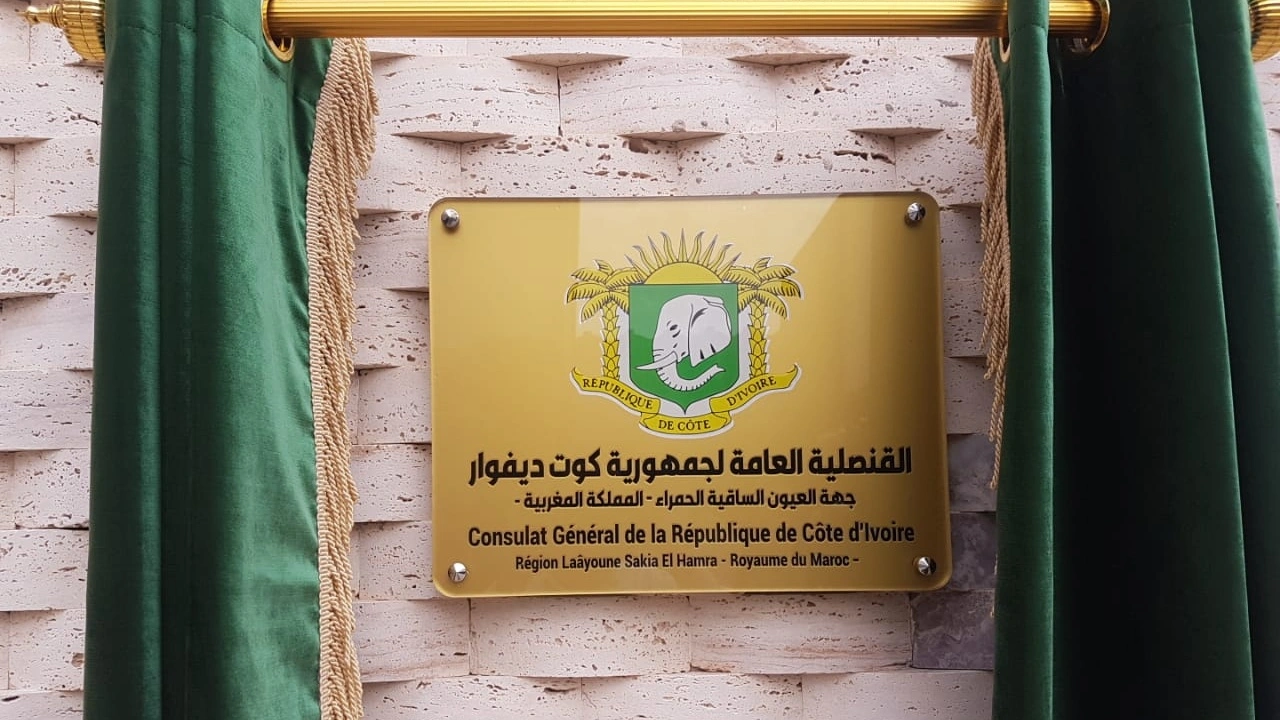
The Ivory Coast has publicly restated its strong backing for Morocco’s autonomy initiative as a definitive solution to the long-standing regional dispute over Western Sahara. This commitment was expressed during a recent regional seminar of the United Nations Special Committee on Decolonization (C24) held in Managua, Nicaragua.
The Ivorian delegation emphasized that the autonomy proposal, already endorsed by nearly 130 countries—including three permanent members of the UN Security Council—aligns perfectly with international law, the UN Charter, and relevant resolutions. They highlighted that the initiative gained further legitimacy through the adoption of Security Council Resolution 2797 in 2025, which underscores the unique context of Western Sahara.
Empowering local governance and development
According to the Ivorian representatives, the autonomy plan offers a pragmatic framework that allows the people of Western Sahara to actively shape their political and socio-economic future. This includes the freedom to elect local and national representatives in regular democratic elections across Morocco, they noted, while commending the participation of elected representatives from Western Sahara in the C24 discussions.
Economically, the delegation pointed out that residents in Morocco’s southern provinces have directly benefited from substantial investments under the New Development Model launched in 2015. These efforts have markedly elevated living standards and boosted the Human Development Index in the region, they added.
Human rights progress highlighted
The Ivorian team also praised Morocco’s dedicated efforts to advance and safeguard human rights. Key achievements include the establishment of regional offices of the National Human Rights Council in Laâyoune and Dakhla, alongside strengthened collaboration with the UN High Commissioner for Human Rights. These measures, they argued, reinforce the credibility of the autonomy initiative by demonstrating Morocco’s commitment to inclusive governance.
In closing, the Ivory Coast underscored that Morocco’s persistent and constructive engagement in resolving the dispute—through concrete actions and inclusive policies—solidifies the viability of its autonomy plan. This approach, they concluded, grants the people of Western Sahara significant and meaningful self-governance rights.