Global rights watchdog urges jihadist group to end Bamako blockade
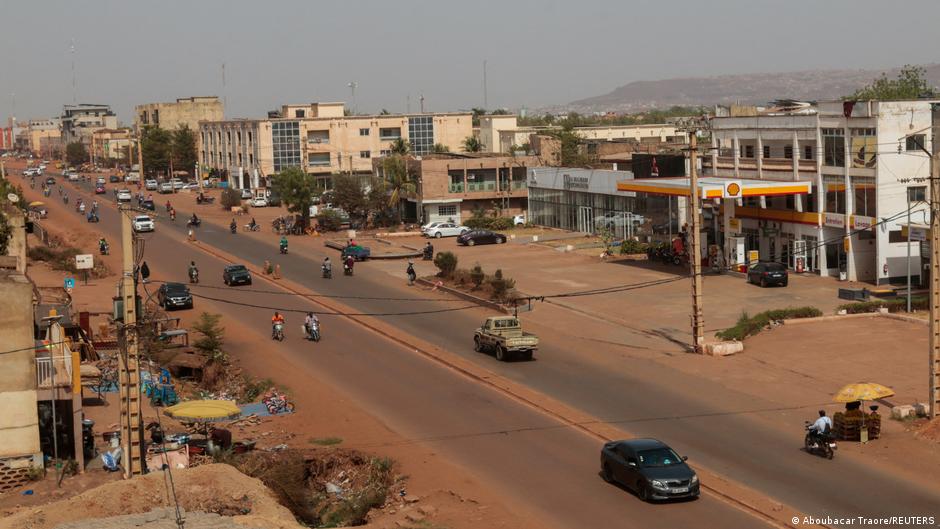
A leading human rights organization has sounded the alarm over the deteriorating humanitarian situation in Mali, where civilians are bearing the brunt of a weeks-long blockade imposed by jihadist factions on Bamako’s supply routes.
Amnesty International issued a stark warning on May 15, urging the Jama’at Nusrat al-Islam wal Muslimin (JNIM) to immediately lift restrictions on civilian movement and uphold international humanitarian law. The blockade, now in its second week, has severed vital road connections to the landlocked nation’s capital, leaving residents vulnerable to severe food and healthcare shortages.
“The current siege of Bamako is inflicting unacceptable hardship on civilians, threatening their fundamental rights to food, health, and safety,” the organization stated. “All parties must ensure unobstructed humanitarian access and protect civilian lives.”
In a documented incident, jihadist forces reportedly targeted a civilian goods convoy on May 6, halting a shipment of fruits bound for Bougouni from Bamako. The con-voi, which carried no military personnel or equipment, was traveling without military escort when it was intercepted, raising grave concerns about the targeting of non-combatant economic assets.
Military escalation looms in northern strongholds
The Malian armed forces have announced plans to intensify aerial operations targeting the city of Kidal, now under the control of the Azawad Liberation Front (FLA) and allied jihadist factions since late April. Military spokesperson confirmed multiple strikes on the city, while separatist leaders claim to hold 200 Malian soldiers captive following clashes on April 25.
A local resident from Kidal reported persistent power outages and disrupted telecommunications, cutting off contact with the rest of the country. Conflicting narratives from different factions have left communities in a state of uncertainty, struggling to discern credible information amid the chaos.
In Gao, another resident highlighted rising food prices and growing distrust, despite government assurances. “Officials urge us to trust official statements,” she noted, pointing to a doubling in the price of onions as evidence of economic strain.
Jihadist expansion in central Mali deepens crisis
Observers warn of jihadist control expanding across central regions, particularly along the left bank of the Niger River in Ségou and parts of Koulikoro. In these areas, civil administration has collapsed, schools remain shuttered, and jihadist taxes are forcibly collected in hundreds of villages.
According to analysts, both the Malian military and jihadist factions are currently in a phase of strategic reassessment, with potential for renewed confrontation. Abdoulaye Sounaye, a Sahel security expert, noted: “The government appears to be preparing for a decisive response, while the JNIM and FLA are reorganizing in anticipation of further military action. The civilian population remains caught in the crossfire.”
Hervé Lankoandé Wendyam, an independent analyst specializing in West African geopolitics, emphasized the underlying political dimensions of the crisis: “There is a clear strategy to sever the North from the rest of Mali. The escalation in central regions signals a deliberate attempt by the JNIM to escalate violence by seizing urban centers.”
Path to resolution remains elusive
Despite calls for dialogue from civil society and regional experts, the Malian government has maintained a firm stance against negotiations with the FLA and JNIM, labeling them as terrorist entities. However, reports indicate that clandestine talks were held to secure fuel supplies, highlighting the complex and contradictory nature of engagement with armed groups.
Analysts stress that sustainable peace will require inclusive national dialogue. Ahmed Ould Abdallah, from the Centre 4S, urged the government to open channels with all political and social stakeholders to address the root causes of the conflict. “The crisis is systemic. The government must lead by engaging in genuine negotiation to prevent perpetual instability.”
Abdoulaye Sounaye echoed this sentiment, predicting that parties would eventually be compelled to negotiate: “Sooner or later, these forces will have to come to the table. Finding common ground is the only path to lasting stability.”