Humanitarian crisis escalates as jihadists tighten grip on Mali
As armed groups intensify their campaign in central and northern Mali, civilians bear the brunt of escalating violence and restricted mobility. The situation has reached a critical juncture, with key trade routes severed and communities cut off from essential services.
Amnesty International demands protection for civilians amid blockade
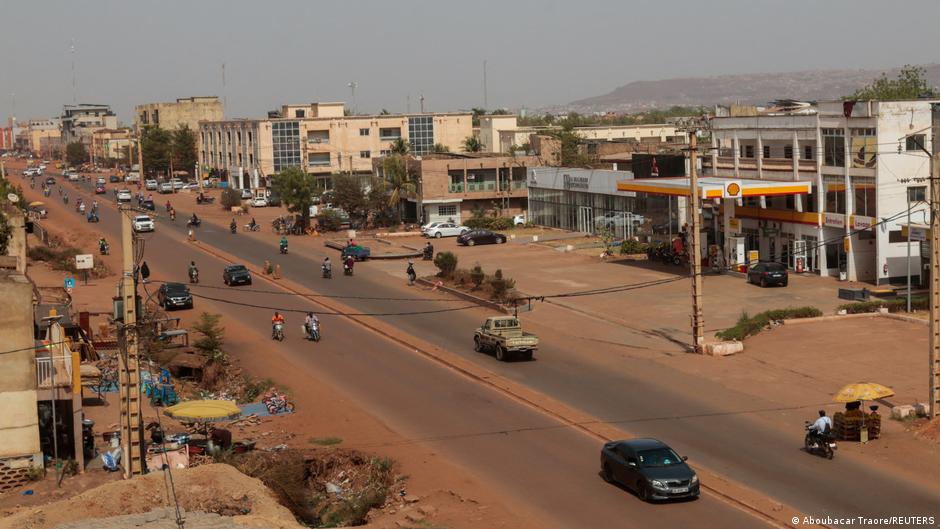
International human rights organization Amnesty International has issued an urgent appeal to jihadist factions in Mali to uphold civilian safety and unrestricted movement. The call comes as armed groups, particularly the Jama’at Nusrat al-Islam wal Muslimin (JNIM), enforce a two-week blockade on critical roads leading to Bamako, plunging the capital into a severe supply crisis.
“The ongoing blockade of Bamako has unleashed unacceptable consequences on civilian freedom of movement, threatening fundamental rights to food security, healthcare, and life itself,” stated the organization in an official release.
Reports indicate that on May 6, jihadist forces targeted a civilian truck convoy transporting fruits between Bamako and Bougouni in southern Mali. The convoy, lacking military escort or personnel, highlights the indiscriminate nature of recent attacks against non-combatant targets.
Military escalation looms as army targets Kidal
The Malian Armed Forces have announced plans to intensify aerial strikes on Kidal, a city under the control of the National Movement for the Liberation of Azawad (MNLA) and their JNIM allies since late April. Military sources confirmed recent strikes on the city, while separatist leaders claim to be holding 200 Malian soldiers captured during April 25 offensives.
Residents of Kidal report widespread power outages and disrupted telecommunications, exacerbating an already precarious living situation. The city’s isolation has left inhabitants uncertain about whom to trust amid conflicting narratives.
In Gao, another northern city under government control, residents describe a climate of deep suspicion. Government-issued statements are the only source of information, and essential food prices have skyrocketed—onion prices have doubled—further straining vulnerable households.
Independent analyst Hervé Lankoandé Wendyam warns of a dangerous fragmentation trend: “There is a clear intent to sever the North from the rest of the country. The escalation in central Mali reflects a strategic shift by JNIM to seize urban centers, raising the conflict to a new level.”
Central Mali under jihadist control: schools closed, taxes imposed
Local sources confirm that jihadist groups now dominate several areas in central Mali, particularly along the left bank of the Niger River in the Ségou region and parts of Koulikoro. These zones remain devoid of government presence, with schools shuttered and daily life disrupted by the imposition of zakat, a religious tax.
According to recent assessments, over 2,300 schools across Mali have closed, with the north and central regions bearing the heaviest toll. The closure of educational institutions not only disrupts childhood development but also signals a broader breakdown of social infrastructure.
Abdoulaye Sounaye, a Sahel-based researcher specializing in jihadist movements, observes a strategic pause among all parties: “The government and military appear to be preparing for a major offensive, while JNIM and MNLA factions are reorganizing and rearming in anticipation of renewed hostilities. Amidst this standoff, it is the civilian population that continues to suffer at the hands of both.”
Experts advocate for a comprehensive dialogue involving all stakeholders as the only viable path to resolving the crisis. Ahmed Ould Abdallah of the Centre 4S stresses the urgency of political reconciliation: “The crisis is systemic and affects all social groups. The Malian government must engage with national elites across the political spectrum to negotiate a lasting solution. Ignoring this political imperative risks prolonging the conflict indefinitely.”
Sounaye adds, “Soon or later, these forces will be compelled to negotiate. Finding common ground is the only way forward.”
However, the Malian government has maintained a firm stance against negotiations with the MNLA and JNIM, labeling them terrorist organizations. Notably, behind-the-scenes talks have occurred to ensure fuel supply continuity, indicating pragmatic engagement despite public declarations.
Urgent call for inclusive dialogue
With the humanitarian situation deteriorating by the day, voices across Mali are increasingly calling for a unified approach to peacebuilding. The ongoing violence—whether through blockades, military strikes, or insurgent attacks—has left communities stranded, vulnerable, and desperate for resolution.
As the nation stands at a crossroads, the need for dialogue transcends political divides. The survival of Mali’s social fabric depends on the willingness of all parties to prioritize peace over confrontation.