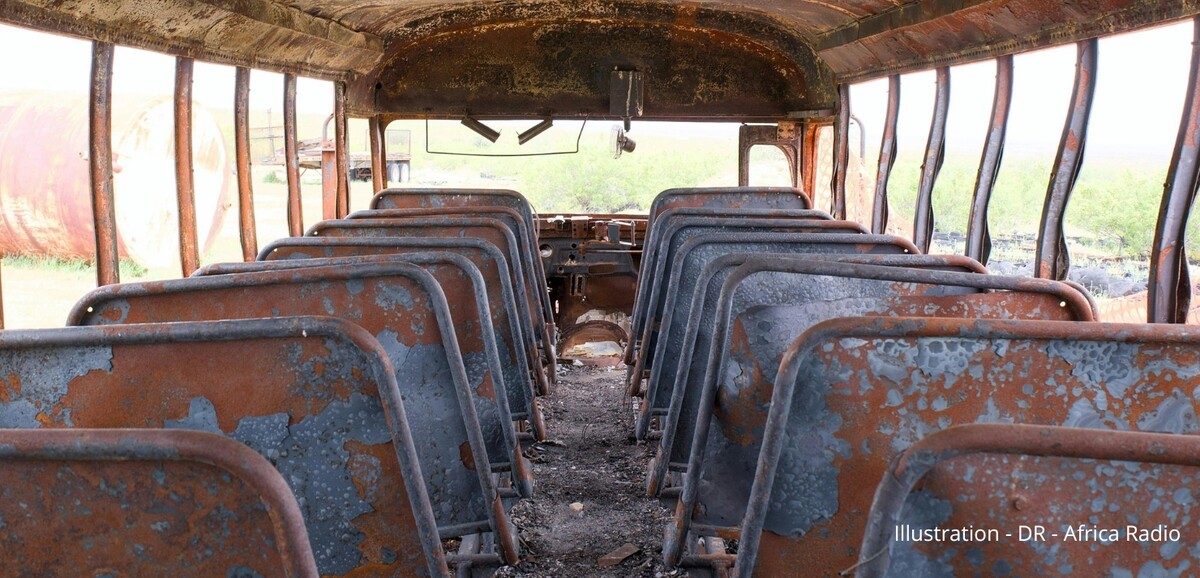
Current Affairs. A concerning escalation in **Sahel politics** unfolded on Saturday, May 16, as armed assailants set multiple passenger buses ablaze near Bamako. This incident highlights the intensifying road blockade imposed by jihadist groups around the Malian capital since late April, a critical development for any **Sahel analysis English** observer.
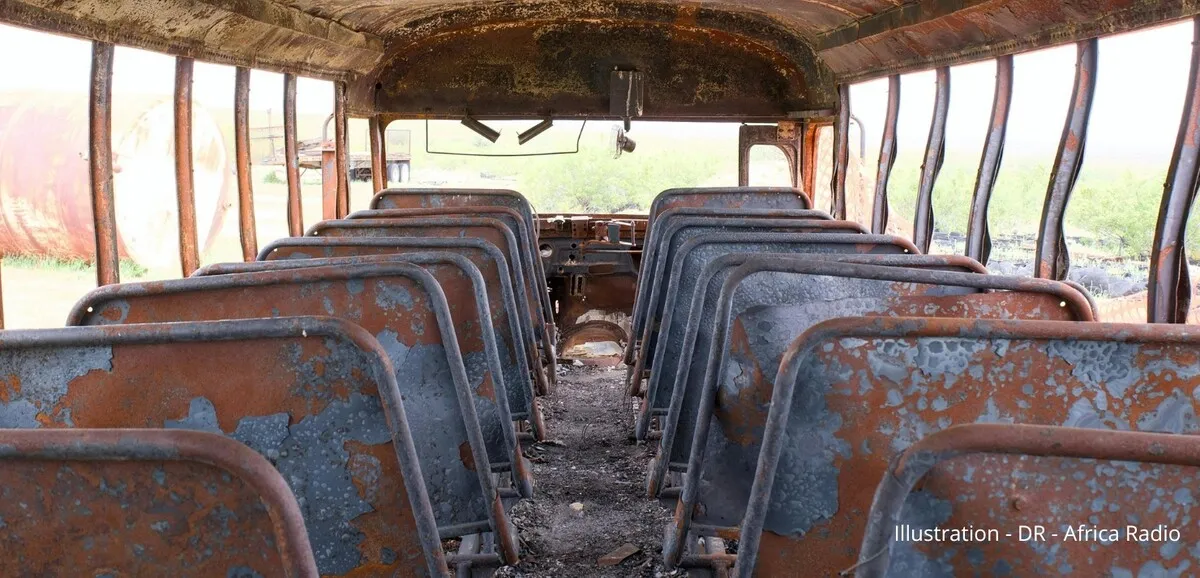
On the Bamako-Ségou axis, within the Faya classified forest zone, armed individuals launched an assault on a transport convoy. Eyewitness accounts confirm that passengers were forcibly ordered off their vehicles moments before the buses were engulfed in flames.
Injuries reported amidst the chaos
Reports indicate that gunfire erupted when some drivers hesitated to comply with the attackers’ demands. Several witnesses described multiple injuries among those present, and at least seven buses were utterly destroyed by the inferno.
Jihadist groups enforce a tightening grip
This aggressive campaign marks a significant hardening of the **Mali jihadist blockade**, which has been systematically imposed on key routes leading into Bamako since April 30. Groups affiliated with the JNIM, an Al-Qaïda linked entity, are behind this sustained pressure, following a series of coordinated and violent attacks across the country in late April. This development is a key focus for any **West Africa insider news** report.
Economic strain mounts as Tabaski approaches
The **Mali jihadist blockade** is already inflicting severe economic consequences on the capital’s supply chains. Crucially, the flow of livestock into Bamako is heavily impacted as the significant Muslim festival of Tabaski draws near. Merchants are expressing growing alarm, as numerous trucks carrying sheep have reportedly been torched in recent weeks, exacerbating shortages and causing widespread concern among traders and residents alike.