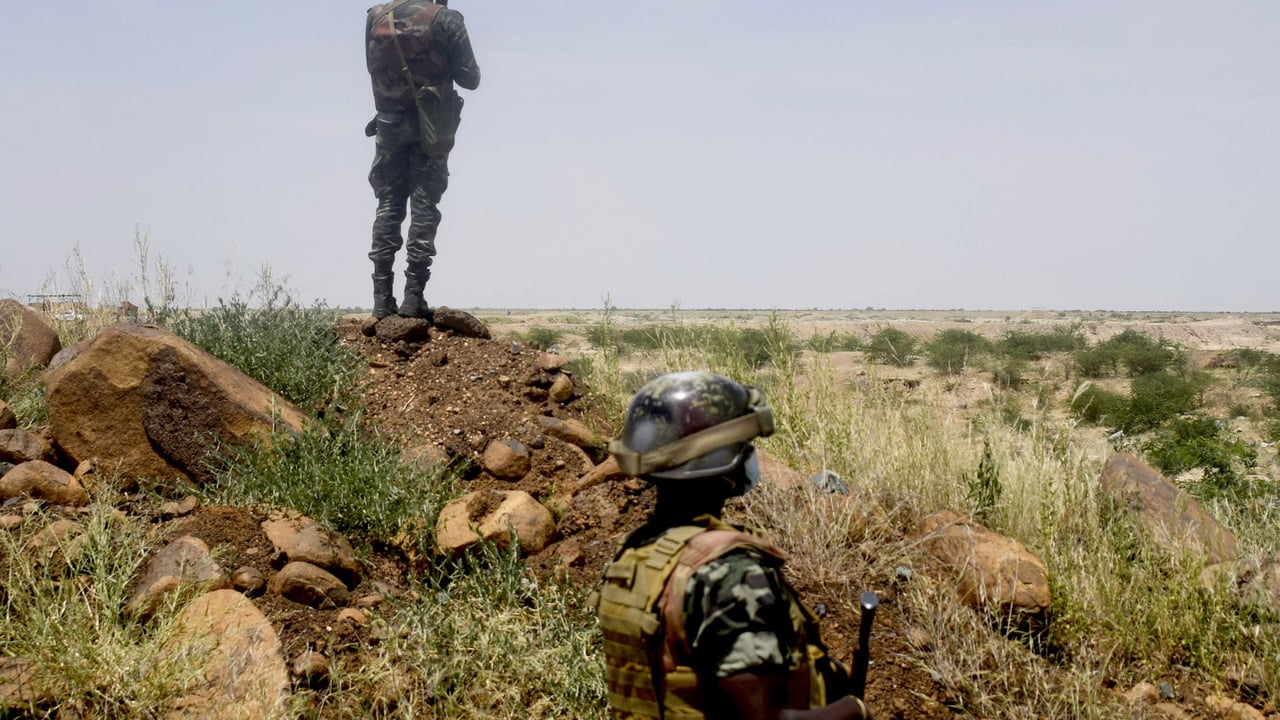

The Niger has once again been struck by a brutal attack, this time in the Tillabéri region. On January 18, Islamic State in the Greater Sahara (ISGS) militants stormed the village of Bossiye, executing 31 civilians—including men, women, and children—in a coordinated assault.
Survivors and local sources report that the attackers, numbering around 100, arrived on motorcycles around midday. The assault left the community in shock, underscoring the escalating jihadist violence plaguing the Sahel. Authorities and human rights groups are still investigating the full extent of the tragedy.
The Tillabéri region: a hotspot of instability
The Tillabéri region, particularly the volatile three borders area shared with Mali and Burkina Faso, has become a focal point for militant activity. This remote and underdeveloped zone is increasingly targeted by armed groups linked to Islamic State and other extremist factions, exploiting weak governance and porous borders.
The ISGS, one of the most active jihadist factions in the region, has intensified its operations in recent months. Their tactics—hit-and-run attacks, targeted assassinations, and indiscriminate violence—have destabilized communities and displaced thousands.
Humanitarian and security fallout
The attack in Bossiye is not an isolated incident. Since 2020, the Tillabéri region has witnessed a surge in violence, with thousands of civilians killed and tens of thousands displaced. The Nigerien government, alongside regional and international partners, struggles to contain the crisis.
Local leaders and aid organizations warn that the humanitarian situation is deteriorating rapidly. Access to food, healthcare, and education is severely limited, and the psychological toll on survivors—especially children—remains catastrophic.
Human Rights Watch has documented multiple atrocities in the region, calling for urgent action to protect civilians. The group emphasizes that the international community must prioritize accountability and support for affected populations.
What’s next for the Sahel?
The Nigerien military, with assistance from regional forces like the G5 Sahel joint task force, continues to conduct counterterrorism operations. However, the persistent threat of ISGS and other militant groups highlights the need for a comprehensive approach—combining military, political, and developmental strategies.
Experts argue that sustainable peace in the Sahel depends on addressing root causes: poverty, weak governance, and the lack of economic opportunities. Without these pillars, the cycle of violence is likely to persist.
As the Niger grapples with this latest tragedy, the world watches closely. The international community’s response to the Sahel crisis will determine whether the region can break free from the grip of extremism—or succumb to further devastation.