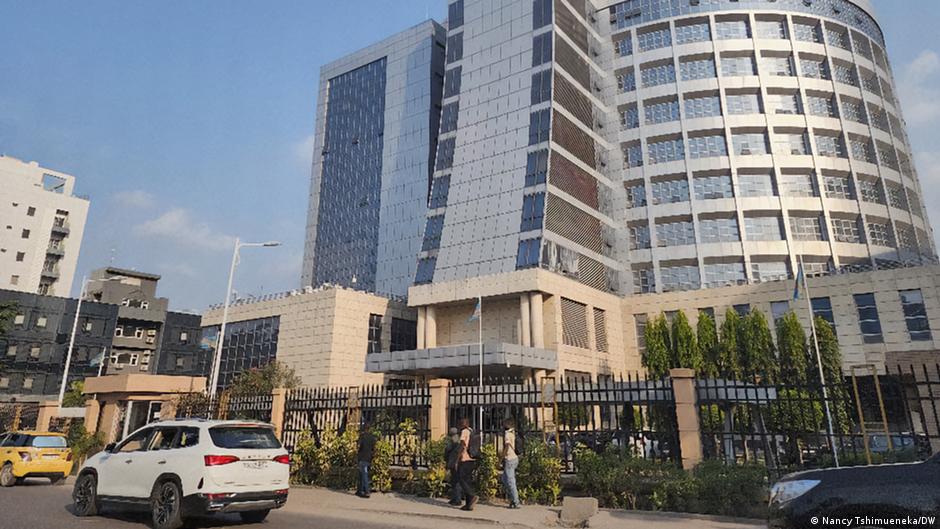
Despite a nationwide shutdown called by opposition parties in the Democratic Republic of the Congo, the government remains steadfast in advancing its constitutional reform agenda. Both sides are now claiming victory in this escalating political standoff in Kinshasa.
Capital city at a standstill amid heightened security presence
In multiple districts of Kinshasa, residents largely chose to stay indoors. Between concerns over potential clashes and the heavy deployment of security forces, the streets of the Congolese capital presented an unusually subdued scene.
“I haven’t seen students heading to school. There’s no traffic at all. Schools are closed. We don’t want the Constitution changed. If we didn’t resist, we’d have to go to work. The people don’t want this,” shared a resident of Kinshasa.
Another local echoed the sentiment, describing a tense atmosphere marked by movement restrictions:
“It’s difficult here. There are so many soldiers and police dispersing people. No one can go out—no vehicles or motorcycles are moving. The situation is dire. Shops are closed.”
Opposition claims historic turnout in protest
Following the protest day, opposition leaders declared the mobilization a resounding success. They maintain that citizens overwhelmingly heeded their call and are already planning further large-scale actions to block the constitutional reform.
Prince Epenge, spokesperson for the Lamuka coalition, framed the turnout as a clear rejection of President Félix Tshisekedi’s agenda.
“The people of Kinshasa responded at a rate of 99.9% to the opposition’s call. By staying home—not just obeying the opposition’s directive—they’ve rejected President Tshisekedi’s authoritarian push to amend the Constitution for his own political survival. It’s time for him to recognize the message sent by a population that stayed indoors,” he warned.
Government dismisses protest impact, vows to proceed
The presidential camp, however, strongly disputes this narrative. Officials from the Union for Democracy and Social Progress (UDPS) assert that the opposition’s appeal failed to gain traction and that normal activity resumed in the capital.
Christian Lumu Lukusa, vice president of the UDPS Youth League, went further, claiming the population ignored opposition directives. “Despite attempts to incite violence by some opposition figures, the people didn’t follow their orders. I can confirm: Kinshasa is fully operational,” he stated.
The official also reaffirmed the government’s commitment to pushing forward with the constitutional reform.
“Regarding the constitutional amendment project, we will proceed because it meets a national necessity and aligns with our goal of modernizing our institutions,” he asserted.
Referendum proposal fuels political tensions
According to Lukusa, the proposed reforms would require a referendum. This follows the National Assembly’s adoption on May 27 of the referendum bill.
The opposition continues to denounce the initiative, arguing it violates the current Constitution. This deepening divide between the government and its critics suggests further political confrontations lie ahead.