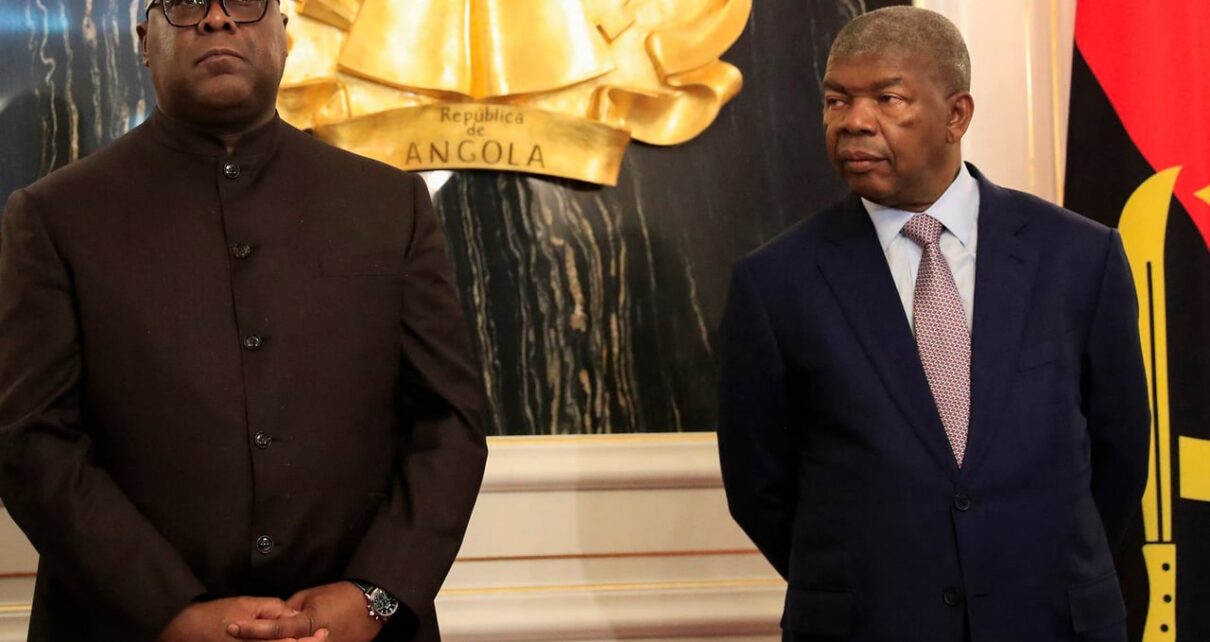
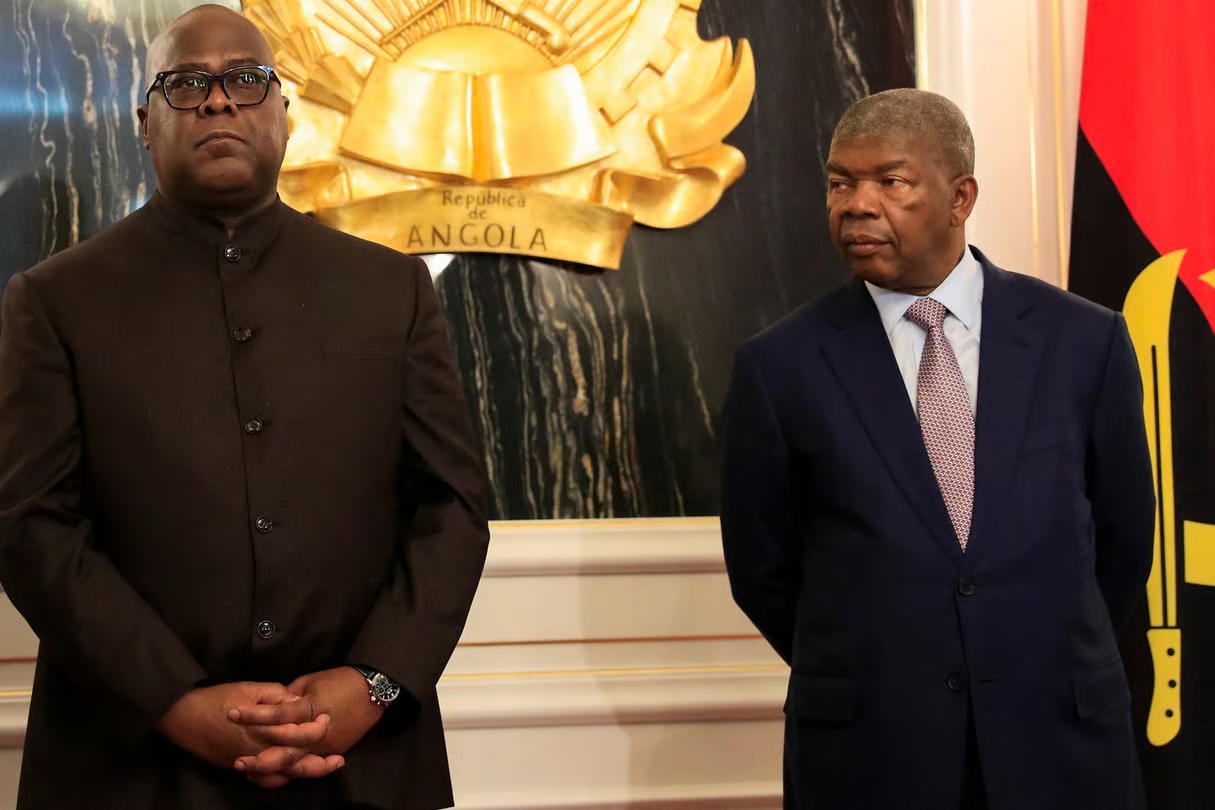
Tensions between Félix Tshisekedi and João Lourenço reached a critical point during recent diplomatic exchanges. The Angolan president’s mediation efforts in Kinshasa’s political crisis have sparked debates, with both leaders clashing over regional influence and governance.
An unprecedented diplomatic standoff
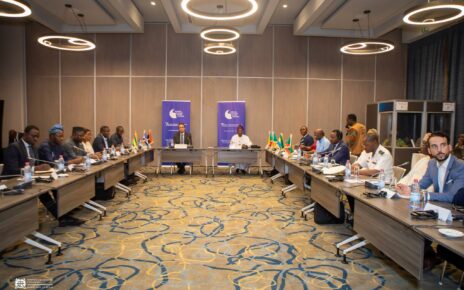
Behind closed doors in Luanda, the relationship between the two heads of state deteriorated rapidly. The January 2026 meeting at the presidential palace was meant to ease tensions, but instead highlighted deep disagreements over M23 rebel group negotiations and economic cooperation.
Tshisekedi accused Lourenço of overstepping his role as mediator, while the Angolan leader insisted his involvement was necessary to stabilize the Democratic Republic of Congo (DRC). Diplomatic leaks suggest frustration on both sides, with Tshisekedi reportedly resisting external pressure to compromise on key security issues.
Economic stakes and regional power plays
The conflict extends beyond politics. Angola’s strategic interests in DRC’s mineral wealth and trade routes have intensified competition. Lourenço’s push for infrastructure projects, including ports and rail links, has raised eyebrows in Kinshasa, where officials fear loss of control over vital economic levers.
Meanwhile, historical tensions resurfaced as former DRC president Joseph Kabila remained a key figure in the background. His influence within DRC’s political circles adds another layer of complexity to the standoff.
What’s next for DRC-Angola relations?
With no clear resolution in sight, the coming months will test both leaders’ resolve. DRC’s stability hinges on resolving the M23 crisis, while Angola’s ambitions in the region could further complicate negotiations. Observers warn that without compromise, the diplomatic rupture could have lasting consequences for Central Africa.