Gabon’s diplomatic push: turning promises into economic gains after Oligui Nguema’s african tour
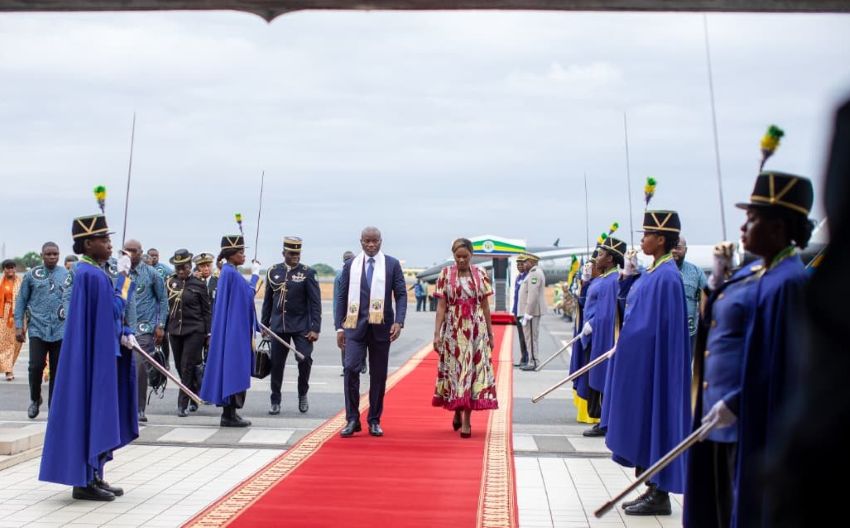
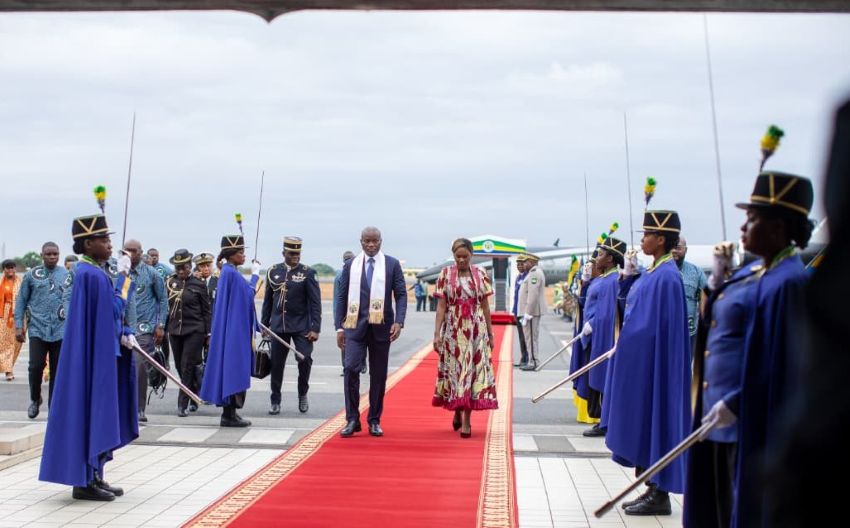
Libreville — After crisscrossing several African capitals from July 27 to August 7, 2026, Gabonese leader Brice Clotaire Oligui Nguema returned to Libreville with more than just diplomatic handshakes. The true test now begins: turning agreements into tangible results.
Diplomatic tours often conclude with declarations of intent, but this journey was designed to go further. The Gabonese presidency has transformed foreign policy into a lever for economic transformation, focusing on concrete outcomes rather than symbolic gestures.
From diplomacy to economic transformation
This African tour was structured around practical collaboration. Meetings covered critical sectors such as infrastructure, energy, agriculture, vocational training, trade, and investment. The shift in approach signals a new era where Gabon’s foreign engagements are directly tied to domestic economic goals.
The visit to Abidjan epitomized this strategy. President Oligui Nguema examined industrial and urban projects, toured key infrastructure, and engaged with major economic players like NSIA and Aurion Capital. These discussions centered on investment opportunities and energy partnerships, positioning Gabon as a prime destination for business expansion.
This pragmatic diplomacy aligns with Gabon’s broader ambition: diversifying its economy while maximizing the value of its natural resources. By integrating foreign policy with economic development, Libreville aims to attract capital, technology, and expertise that can drive sustainable growth.
African partnership for shared prosperity
The tour also reflected a vision of deeper continental integration, where economic cooperation replaces mere political solidarity. Côte d’Ivoire served as a case study in how deliberate infrastructure development, industrialization, and private sector mobilization can elevate a nation’s economic standing in the region.
Oligui Nguema’s itinerary was far from ceremonial. By studying Ivorian industrial zones, urban mobility systems, and large-scale projects, the Gabonese delegation sought actionable insights to inform its own policies. This approach turns diplomatic visits into learning opportunities, fostering industrial partnerships and knowledge transfer.
The renewed ties with Abidjan exemplify this new model of cooperation—not just between governments, but between economies. The focus has shifted from diplomatic niceties to shared projects, financing mechanisms, and industrial collaborations that benefit both nations.
The moment of truth: delivering on promises
Upon returning to Libreville, the real work begins. A diplomacy of results cannot be measured by the number of meetings held or agreements signed. Success will be determined by concrete achievements: how many investments materialize, how many jobs are created, which projects break ground, and how many new markets open for Gabonese businesses.
This post-tour phase is critical. The presidency has strengthened Gabon’s diplomatic positioning, but the true test lies in translating these efforts into real economic progress. The return of the president, symbolized by the white sash bearing Gabon’s coat of arms, underscores a commitment to national identity and continental engagement. Yet symbols alone are insufficient.
The next chapter in Gabon’s foreign policy will be judged not by the distance traveled, but by the projects completed. The window of opportunity created by this tour must now be seized to secure partnerships, negotiate investments, and implement strategies that deliver lasting change.
Can Gabon’s diplomacy evolve from a showcase of potential to a catalyst for development? The challenge is clear: to make foreign policy one of the driving forces behind the country’s economic transformation.