The bustling city of Cotonou has become the epicenter of a groundbreaking educational transformation in Benin this week. From June 22 to 26, 2026, the Azalaï Hotel is hosting a pivotal workshop focused on developing a National Curriculum Framework. Spearheaded by Minister Armand Kuyema Natta, this initiative aims to align the entire education system—from early childhood to higher education—into a cohesive, modern framework that reflects the country’s socio-economic realities and prepares students for future challenges.
Unprecedented ministerial collaboration for youth development
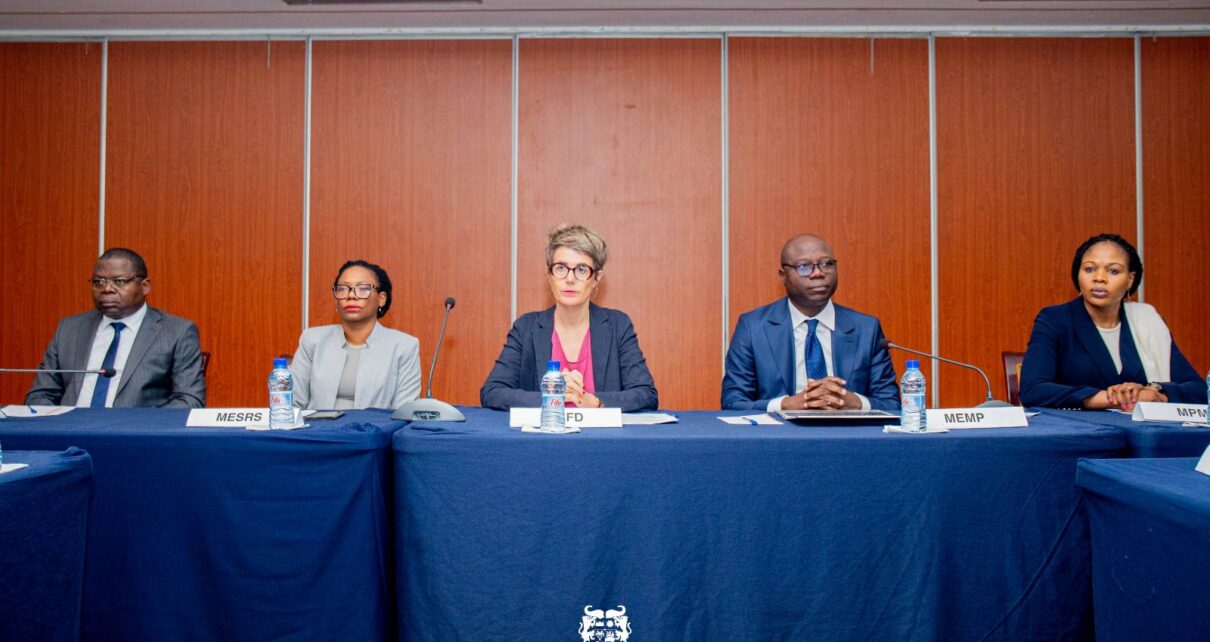
The official launch of the workshop on Monday, June 22, 2026, underscored the magnitude of the reform. The gathering brought together nearly every minister overseeing Benin’s education sectors, including early childhood, primary, secondary, higher education, scientific research, technical training, and professional development. Representing the National Council for Education (CNE) and the French Development Agency (AFD)—led by Director Laure Weisgerber—the attendees embodied a rare convergence of political will and financial backing.
This unprecedented collaboration signals Benin’s commitment to breaking down traditional bureaucratic barriers. Instead of piecemeal reforms, the government is pursuing an integrated, inclusive approach that ensures continuity across all levels of education, fostering a more unified national system.
The curriculum as a reflection of national aspirations
During the opening ceremony, Wilfried Guezodjè, Permanent Technical Secretary of the Sectoral Education Plan, delivered a keynote address that framed the reform as more than a technical exercise—it is a societal commitment. “The curriculum is not just a pedagogical document; it is a mirror of the choices we make for our children. It shapes what they learn and, most importantly, the kind of citizens they will become.“>
Guezodjè described the process as both demanding and hopeful, emphasizing the collective ambition to equip every Beninese child with the skills needed for personal fulfillment and future employability. The challenge lies in balancing global educational standards with locally relevant learning experiences.
From isolated reforms to a unified vision
The highlight of the morning session was the address by Minister Armand Kuyema Natta, who outlined past achievements while stressing the urgency of this workshop. The government has previously reopened and updated programs in primary and secondary education, but these efforts were fragmented. “Reforming programs in isolation, no matter how rigorous, is insufficient,” the minister stated. “A student transitioning from primary to secondary should not experience a methodological gap, nor should a high school graduate enter university unprepared. The National Curriculum Framework is the answer to these historic gaps.”
This framework will serve as a guiding compass, ensuring shared principles across all education levels and eliminating inconsistencies that have long plagued Benin’s system.
International backing for a transformative project
The scale of this reform demands robust support. Laure Weisgerber, Director of the AFD, reaffirmed her institution’s unwavering commitment to Benin’s educational overhaul. International partners see this as a structural reform with the potential to maximize the impact of investments in education. By aligning programs with real-world job market needs—particularly in technical and professional training—Benin is positioning itself to combat youth unemployment and drive economic growth.
A decisive step toward Benin’s future
The Cotonou workshop, concluding on June 26, marks a turning point in Benin’s educational landscape. It sets the foundation for a renewed social contract between the government, educators, families, and students. The push for harmonized programs reflects a strategic choice: coherence over haste.
The drafting of the National Curriculum Framework is a monumental milestone. While implementation remains a significant challenge, the political determination demonstrated this week—supported by international allies—paints a promising picture for the future of Benin’s schools. An education system that is more unified, inclusive, and forward-looking.