Burkina Faso, Mali and Niger reject Nigeria’s security claims
The recent remarks by Nigeria’s President Bola Ahmed Tinubu, linking the country’s security challenges to the situations in Burkina Faso, Mali, and Niger, have drawn an official response from Ouagadougou. Burkina Faso’s Foreign Minister, Karamoko Jean Marie Traoré, summoned Nigeria’s chargé d’affaires to formally express the concerns shared by the three Sahel states within the AES Confederation. These governments argue that such an assessment oversimplifies the complex security dynamics of the region while underscoring the need for sustained regional cooperation against armed groups.
- Politics

On Thursday, Burkina Faso’s Foreign Minister convened a meeting with Nigeria’s chargé d’affaires in Ouagadougou. The discussion followed President Tinubu’s statements regarding the deteriorating security situation in several Sahel countries. Representatives from Mali and Niger also participated, reflecting a unified stance among the three AES member states.
Tinubu’s statements spark regional debate
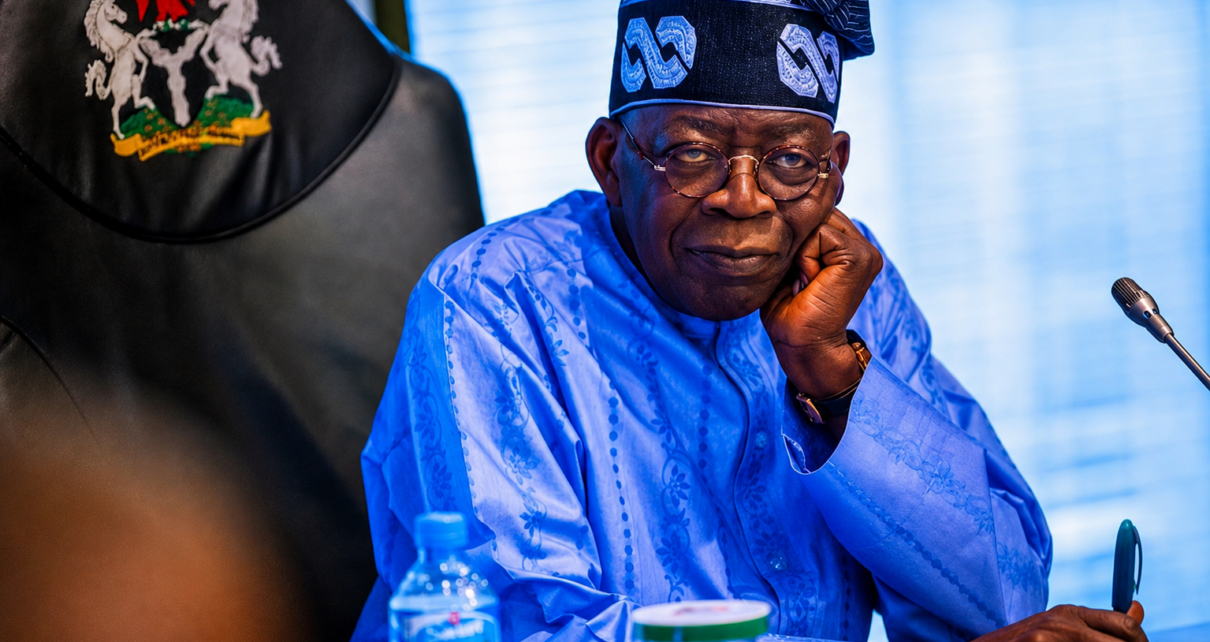
During a July 30 gathering with traditional Nigerian leaders, President Tinubu suggested that Nigeria’s security woes were exacerbated by instability in Burkina Faso, Mali, and Niger. He claimed that some armed groups operating in Nigeria originated from neighboring countries. This assertion prompted Burkina Faso to formally communicate its position to Nigerian authorities through diplomatic channels.
During the meeting, Foreign Minister Karamoko Jean Marie Traoré emphasized that Tinubu’s remarks failed to acknowledge the extensive efforts undertaken by Burkina Faso, Mali, and Niger over the years. These include the sacrifices of defense and security forces as well as civilian populations in combating armed groups. Traoré also highlighted Nigeria’s long-standing battle against Boko Haram, while noting that AES states had never publicly implicated Abuja in the Sahel’s terrorist threat despite documented links between certain regional armed factions. He stressed that military operations in the three countries also bolster West African security by curbing the operational capabilities of jihadist networks.
Ouagadougou called on Nigerian officials to prioritize statements that foster solidarity among states facing shared security threats. Burkina Faso maintains that cooperation remains indispensable in the fight against terrorist organizations active in West Africa. Following the meeting, Nigeria’s chargé d’affaires acknowledged receipt of the message and committed to relaying it to authorities in Abuja, as confirmed by Burkina Faso’s Foreign Ministry.