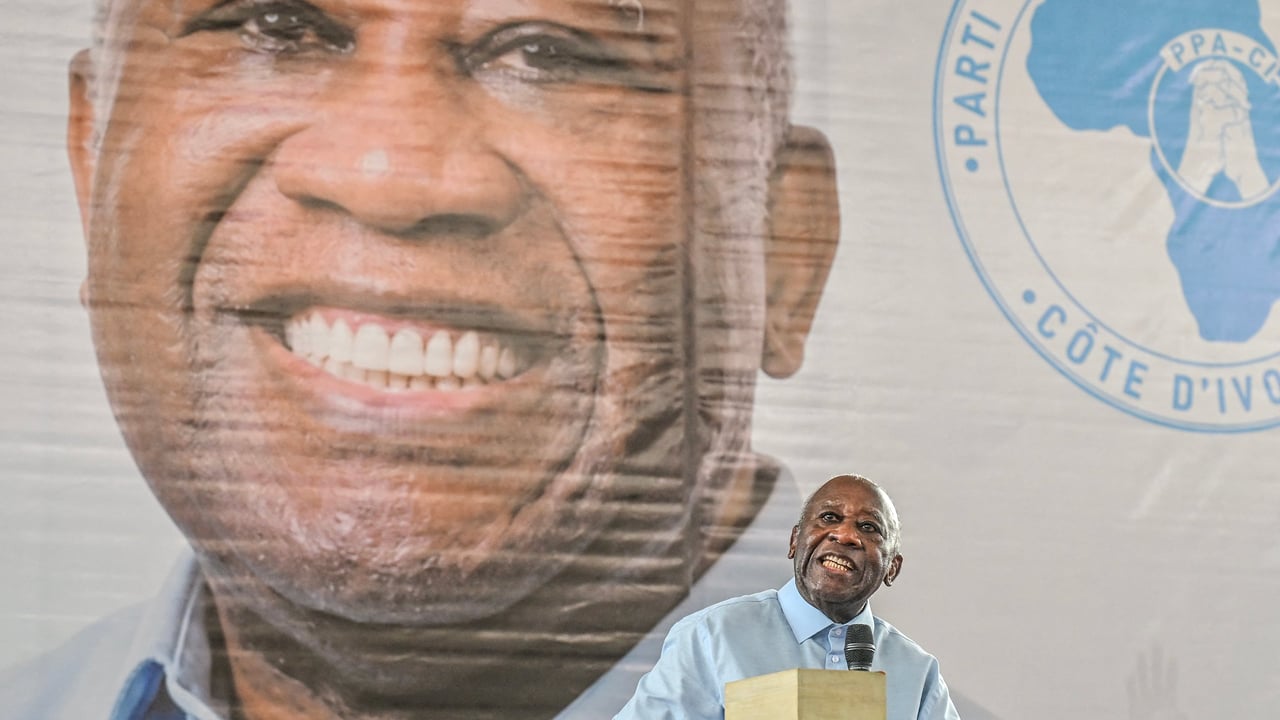
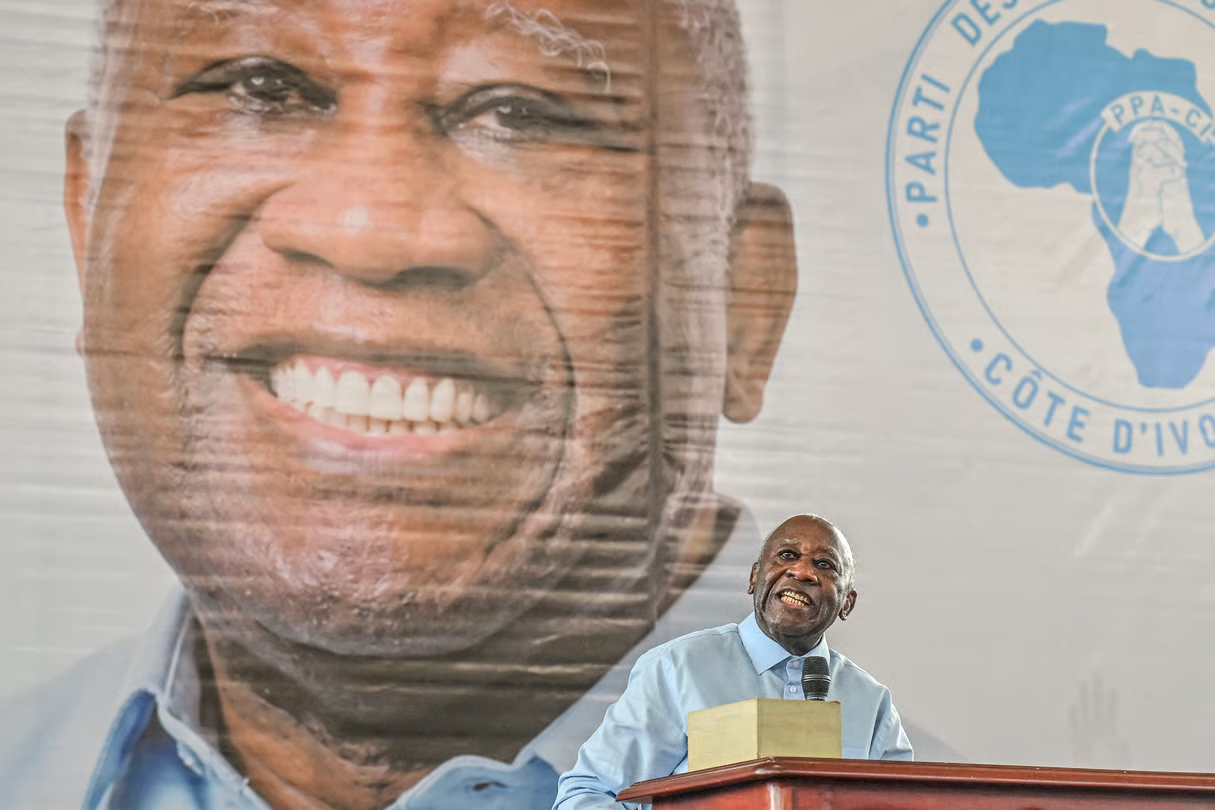
At the helm of the Parti des Peuples Africains-Côte d’Ivoire (PPA-CI), former President Laurent Gbagbo has just completed a sweeping reorganization of the party’s leadership. This strategic move, unveiled during the closing ceremony of the party’s first congress in Abidjan on May 15, 2026, signals a new chapter for the political movement that has shaped Côte d’Ivoire’s modern history.
The reshuffle, which redefines the party’s internal dynamics, comes as Gbagbo positions the PPA-CI for upcoming electoral challenges. Key figures have been reassigned to critical roles, reflecting a deliberate effort to revitalize the party’s structure and appeal. Observers note that these changes are not merely administrative but represent a calculated step toward consolidating influence ahead of pivotal political contests.
Rebuilding the party’s foundation
The congress, held under the banner of unity and renewal, provided the stage for Gbagbo to outline his vision for the PPA-CI’s future. The event drew thousands of delegates, underscoring the party’s enduring grassroots support despite years of political turbulence. The newly appointed leadership team, handpicked by Gbagbo, is tasked with steering the party through a period of heightened competition and shifting alliances in Ivorian politics.
Among the most notable adjustments is the elevation of younger cadres, signaling a generational shift while maintaining core ideological principles. This blend of experience and fresh perspectives aims to bridge divides within the party and attract broader voter segments. The restructuring also includes the integration of regional leaders, ensuring that the PPA-CI’s influence extends beyond Abidjan to all corners of the country.
Strategic priorities for the PPA-CI
The party’s renewed focus centers on three pillars: social justice, economic sovereignty, and national reconciliation. Gbagbo emphasized these themes in his address, framing them as essential to Côte d’Ivoire’s stability and progress. The leadership changes are designed to align the party’s operations with these priorities, fostering a more cohesive and responsive political force.
Economic policy remains a cornerstone of the PPA-CI’s platform, with calls for policies that prioritize local industries and reduce dependence on foreign markets. Social justice initiatives, including education and healthcare reforms, are also highlighted as critical to addressing long-standing inequalities. Meanwhile, Gbagbo reiterated his commitment to national reconciliation, a theme that has defined his political career and resonates deeply with segments of the Ivorian population.
Challenges and opportunities ahead
While the reorganization strengthens the PPA-CI’s internal cohesion, significant challenges loom on the horizon. The party faces stiff competition from established and emerging political forces, each vying for dominance in a crowded electoral landscape. Additionally, the legacy of past conflicts continues to shape public perceptions, requiring Gbagbo and his team to navigate carefully to avoid rekindling old divisions.
The PPA-CI’s ability to adapt to these realities will determine its relevance in the coming years. By positioning younger leaders alongside seasoned strategists, Gbagbo is betting on a balanced approach that leverages experience while embracing innovation. The success of this strategy could redefine the party’s trajectory and, by extension, the political landscape of Côte d’Ivoire.
As the PPA-CI embarks on this new phase, all eyes will be on Abidjan and the party’s ability to deliver on its promises. The stakes are high, but so too are the opportunities for a movement that has long been a defining force in Ivorian politics.