Lomé became the focal point of regional diplomacy this month as mediators gathered to reassess the stalled peace process in eastern Democratic Republic of Congo (DRC). On June 7-8, representatives from key regional blocs—Southern African Development Community (SADC), East African Community (EAC), and International Conference on the Great Lakes Region (ICGLR)—converged with envoys from the African Union (AU) and United Nations (UN). Their mission: to bridge gaps between divergent diplomatic tracks and assess how far the belligerents remain from achieving lasting stability.
Togo’s strategic role in unifying fractured peace efforts
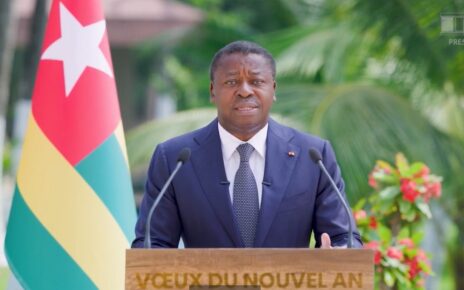
The selection of Lomé as the host venue reflects deliberate diplomatic maneuvering. Under the facilitation of Togolese President Faure Gnassingbé, who serves as the AU’s special envoy for the Congolese dossier, the meeting aimed to consolidate overlapping initiatives that have operated in silos. The Nairobi Process, led by the EAC, and the Luanda Process, historically steered by former Angolan President João Lourenço, have progressed without meaningful alignment. While efforts to merge these tracks began in 2024, tangible progress remains elusive on the ground.
Diplomats conceded that coordination gaps continue to undermine peace efforts. Multiple delegates emphasized the need to streamline mediation channels to prevent conflicting parties from exploiting divisions among mediators. This fragmentation has historically benefited armed groups, particularly the March 23 Movement (M23), whose recent military advances in North Kivu and South Kivu have reshaped the region’s security landscape.
Diplomatic deadlock persists between DRC, Rwanda, and M23
Progress reported during the Lomé discussions remains incremental compared to expectations. Direct negotiations between the DRC government and M23—long resisted by Kinshasa—have only materialized under sustained pressure from regional mediators and international partners. Meanwhile, the DRC-Rwanda bilateral dimension remains the most contentious hurdle, with accusations from the UN and Western capitals that Kigali backs the rebel group persisting.
Mediators highlighted the alarming delays in implementing prior commitments, including the withdrawal of foreign forces from Congolese soil and the disarmament of armed factions. The operational struggles of the SADC Mission in DRC (SAMIDRC), which suffered significant casualties in early 2025, underscored the limitations of military solutions in addressing a conflict rooted in economic exploitation, land disputes, and identity-based grievances.
Illicit mining revenues fuel war economy, complicating peace
Beyond political deadlocks, delegates stressed the urgency of targeting the illegal mining networks fueling the conflict’s economy. Coltan, tin, gold, and tungsten extracted in North and South Kivu feed a war economy with global supply chain implications. Several mediators advocated for a regional traceability mechanism as a prerequisite for sustainable de-escalation.
The Lomé meeting yielded no groundbreaking announcements but reinforced the need for an integrated approach. Future steps may involve greater inclusion of Congolese civil society actors—long sidelined in state-centric processes. Civil society representatives from North and South Kivu, alongside traditional authorities, are now seen as essential partners to ground any potential agreement in local realities.
As mediators departed Lomé without a firm timeline for a comprehensive accord, the coming weeks will test whether the diplomatic momentum can alter the trajectory of a conflict that has defied resolution for over three decades.