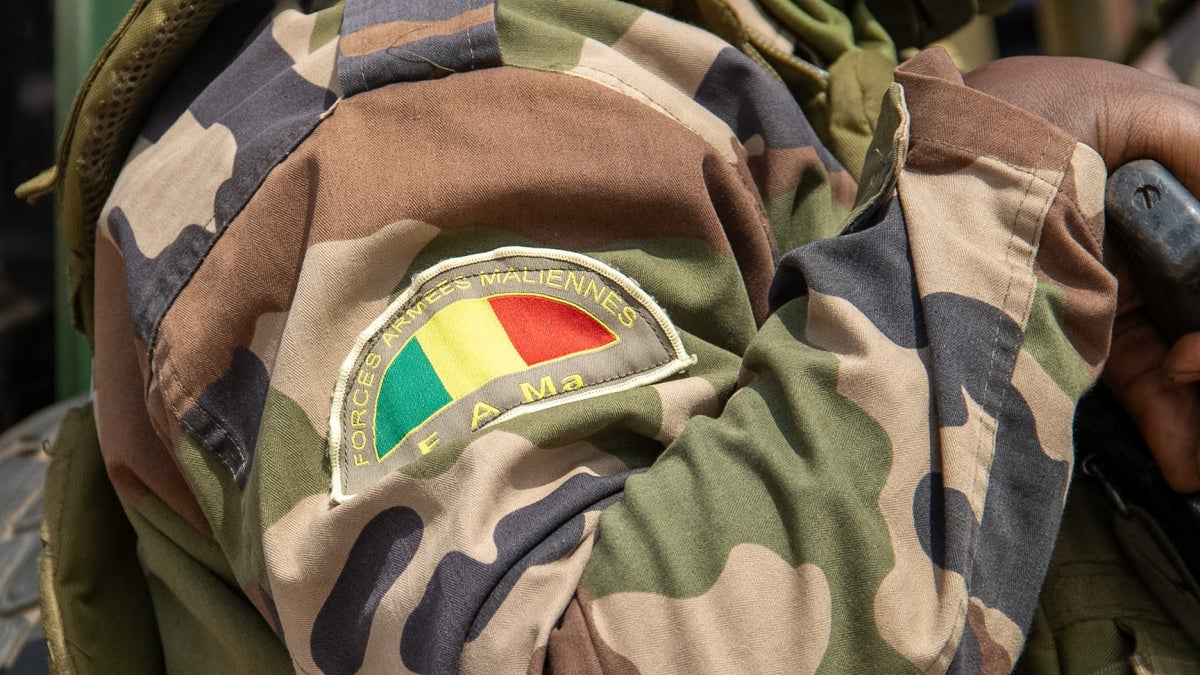
Bamako — A joint operation by Malian security forces and allied militias has left at least 31 civilians dead in two villages in the central region of Ségou, according to field reports. The attacks, which occurred on October 2 and 13, targeted communities accused of collaborating with Islamist armed groups operating in the area.
The first incident unfolded in Kamona on October 2, where soldiers operating seven pickup trucks and three armored vehicles, alongside traditional Dozo militiamen, stormed the village. Survivors reported that the attackers, identifiable by their camouflage uniforms and traditional charms, rounded up local men and executed them. At least 21 men were killed, and 10 homes were set ablaze. The attackers allegedly believed the villagers were aiding the Group for the Support of Islam and Muslims (Jama’at Nusrat al-Islam wal-Muslimeen, JNIM), an al-Qaeda-affiliated group controlling parts of central Mali.
Witnesses stated that JNIM fighters had warned residents of the approaching military forces, prompting many to flee. However, those unable to escape were gathered and shot. “Those who couldn’t run were executed on the spot,” a survivor recounted. The attackers left behind 17 bodies under a tree and four more north of the village, all men aged 20 to 65. “We found them riddled with bullets,” a local shepherd revealed. “One had his head crushed, and spent cartridges littered the ground.”
On October 13, a similar operation targeted the village of Balle, located approximately 55 kilometers from Kamona. Soldiers in five pickup trucks and at least 30 Dozo militiamen on motorcycles descended on the village, triggering panic among residents. “I initially stayed out of fear,” a 24-year-old man recalled. “But when I saw soldiers kicking and slapping men during door-to-door searches, I fled.” From his hiding place, he heard gunfire. In total, 10 civilians—including nine men aged 22 to 67 and a 55-year-old woman—were killed. The attackers also looted over 100 cattle.
Residents described the attackers as indistinguishable from JNIM fighters in the eyes of the military. “We’ve paid zakat to them for years,” one villager explained. “They settle disputes, and there are no soldiers, police, or gendarmes here. The army doesn’t differentiate between us and them.” The military, however, claimed the operation neutralized “around twenty terrorists” and seized weapons, a narrative dismissed by locals who insisted JNIM had already withdrawn from Balle weeks prior.
The surge in violence follows a recent escalation by JNIM, which has intensified attacks on key infrastructure, including an assault on the Siribala sugar factory in August. The siege has disrupted supply chains to Bamako, forcing authorities to suspend school operations in early September. Since 2012, Mali’s conflicts have claimed thousands of civilian lives and displaced over 400,000 people, with both state forces and Islamist groups accused of grave abuses.
International humanitarian law prohibits attacks on civilians and the killing or torture of detainees. While Mali withdrew from the International Criminal Court (ICC) in September, it remains bound by the Rome Statute until 2026, during which the ICC retains jurisdiction over alleged war crimes committed since 2012. The African Union’s response, however, has been limited to statements expressing concern, failing to address the crisis’s urgency.
“The African Union’s Peace and Security Council must prioritize accountability for these atrocities,” a regional analyst stressed. “Diplomatic pressure and coordinated regional action are urgently needed to end impunity for all parties involved.”