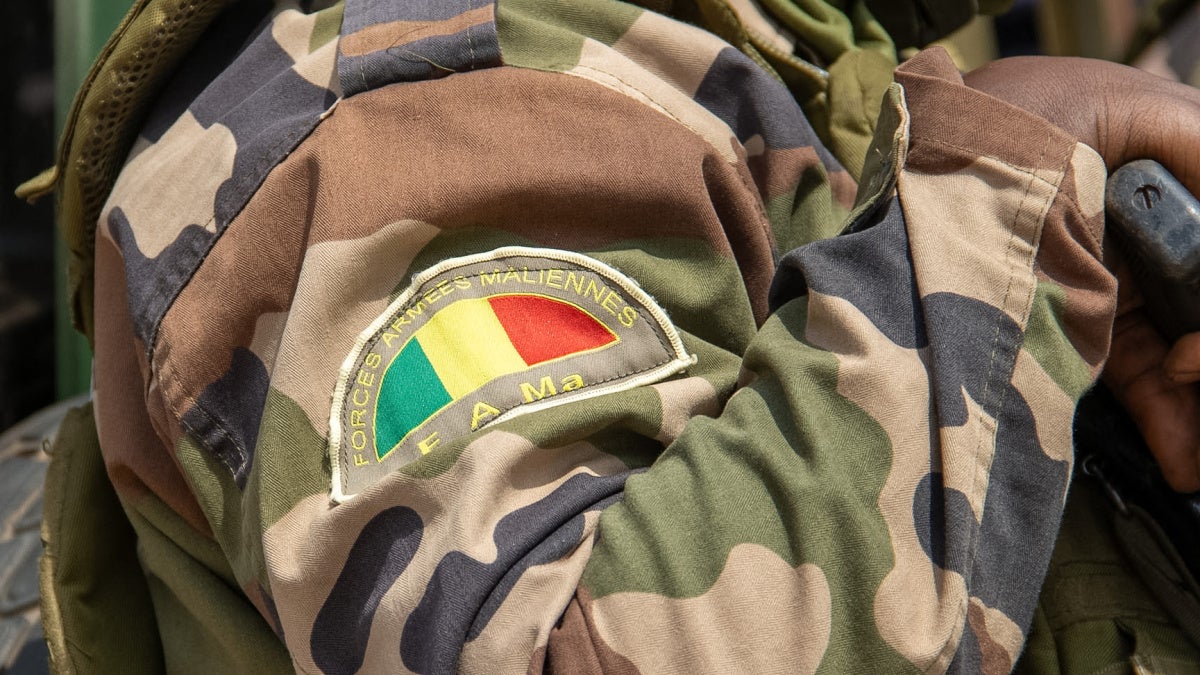
In a chilling escalation of violence, military forces and allied militias have been accused of carrying out deadly attacks against civilians in central Mali. On October 2nd and 13th, coordinated operations in the Ségou region resulted in the deaths of at least 31 villagers, with homes set ablaze and lives shattered. These incidents have drawn international concern over the worsening security crisis gripping the area.
Witness accounts reveal brutal executions
Kamona village, October 2nd: Around 10 a.m., soldiers in camouflage uniforms arrived in at least seven pick-up trucks and three armored vehicles, accompanied by Dozo militiamen on motorcycles. The Dozos, predominantly from the Bambara ethnic group, have long participated in counterinsurgency operations. Survivors reported that Islamic State-linked fighters had warned residents of the approaching troops, prompting many to flee. Those unable to escape were rounded up and executed.
A 40-year-old herder, who hid in an abandoned house with his nine-year-old daughter, recounted the horror: “When the attackers left around 4 p.m., I found 17 bodies under a tree. They were riddled with bullets, some with shattered skulls. Spent cartridges littered the ground.”
Local leaders provided a list of 21 male victims, aged 20 to 65. Villagers suspect additional deaths occurred in the bush, though fear prevented them from confirming. Homes belonging to Fulani ethnic group members were torched, with at least 10 huts and three storage buildings destroyed.
Balle village, October 13th: Around 1 p.m., military forces in five pick-ups and Dozo militiamen on 30 motorcycles stormed the village. A 24-year-old man described how soldiers went door-to-door, assaulting men before opening fire. “From my hiding place, I heard gunshots. Later, I found 10 bodies in the village center—some with broken limbs, all shot at close range.”
A 33-year-old resident discovered the victims: “They lay side by side, their bodies torn apart by bullets.” Among the dead was a 55-year-old woman who confronted the soldiers, accusing them of abuse. “She was taken to where the men were gathered and shot,” her 21-year-old daughter testified.
Military denies responsibility amid growing accusations
The Malian Armed Forces (FAMA) issued a statement claiming their October 13th operation near Balle was a “defensive reconnaissance mission” that “neutralized around twenty terrorists” and seized weapons. However, residents disputed this, stating Balle has been under the control of the Group for the Support of Islam and Muslims (JNIM, Al-Qaeda affiliate) for years. “We pay zakat to them annually,” one villager explained. “Disputes are settled by jihadists—there are no soldiers or police here. The army sees no difference between them and us.”
Human rights groups demand accountability
Human rights organizations have documented recurring atrocities by state forces and allied groups during counterinsurgency operations. The October massacres follow recent JNIM attacks, including a strike on the Siribala sugar factory in August, which severed Bamako’s fuel supply and disrupted education nationwide as schools closed temporarily.
Under international humanitarian law, all conflict parties—including JNIM and Malian forces—must uphold protections for civilians. Prohibited acts include deliberate attacks on non-combatants, executions, and torture. While Mali withdrew from the International Criminal Court (ICC) in September, it remains bound by the Rome Statute until 2026, and the ICC continues investigating alleged war crimes from 2012 onward.
The African Union (AU) has been criticized for its limited response to the crisis despite its mandate to promote peace and security. Analysts urge the AU’s Peace and Security Council to prioritize Mali, enhancing diplomatic efforts and coordinated regional actions to hold perpetrators accountable.
Calls for justice grow amid ongoing violence
Survivors and local leaders demand credible, impartial investigations into the killings. “The October massacres in Ségou are just the latest in a pattern of abuses,” stated a senior Sahel researcher. “Authorities must ensure perpetrators face fair trials and victims receive justice.”