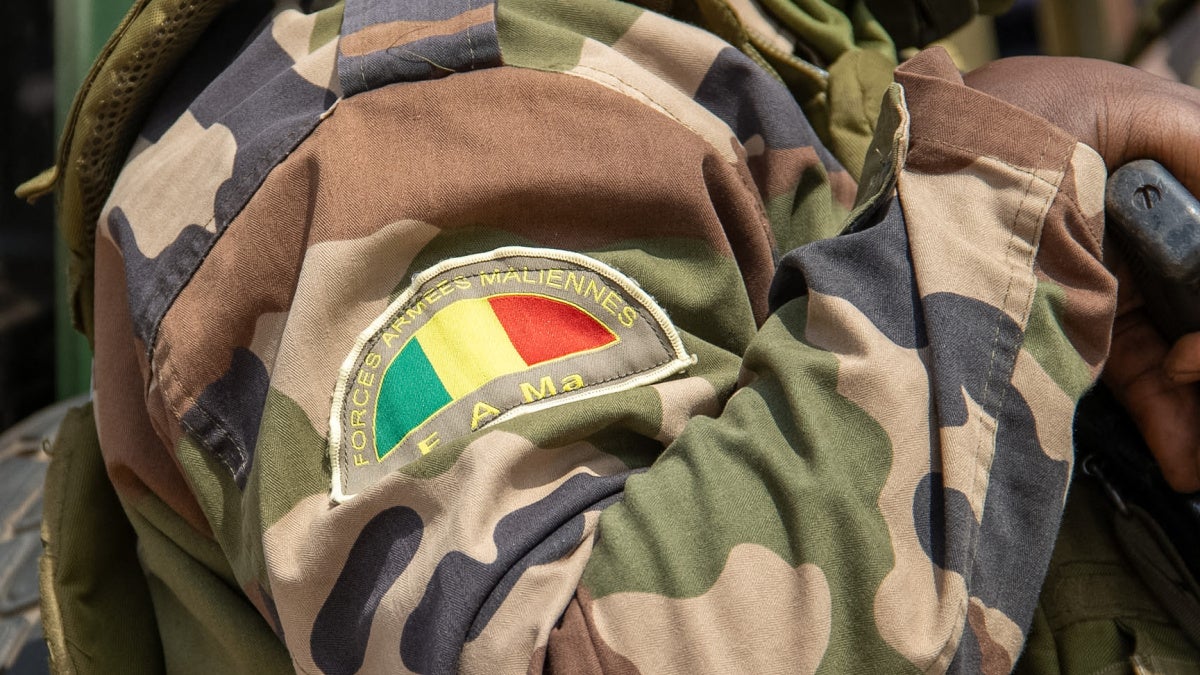
The Malian army, alongside allied militias, stands accused of perpetrating a series of deadly attacks against civilians in the central region of Ségou during the first half of October. According to local testimonies, these operations resulted in the deaths of at least 31 villagers, with homes set ablaze in coordinated raids.
Ségou attacks linked to longstanding conflict dynamics
On October 2, military forces accompanied by Dozos, traditional hunters predominantly from the Bambara ethnic group who have participated in counterinsurgency operations for over a decade, stormed the village of Kamona. Witnesses report that soldiers and militiamen systematically executed at least 21 men and torched more than ten homes. Just days later, on October 13, a similar operation in the nearby village of Balle left nine men and one woman dead, with livestock stolen and additional property destroyed.
The victims in Kamona included men aged between 20 and 65, all reportedly shot at close range. Survivors described finding 17 bodies under a large tree and four more scattered nearby. One resident who hid during the attack recounted the grim discovery: “The people had been riddled with bullets. One man’s head was completely shattered.” The scorched remains of homes and granaries belonging to Fulani ethnic community members were later identified as further evidence of the assault.
Balle massacre exposes brutal tactics and civilian targeting
In Balle, the October 13 assault unfolded in broad daylight. Soldiers arrived in pick-ups, supported by at least 30 Dozo fighters on motorcycles. A 24-year-old survivor recounted how troops went door-to-door, assaulting men before opening fire. “I heard gunshots from my hiding place,” he said. In total, ten civilians—including a 55-year-old woman—were killed, their bodies left in the village center. A 33-year-old man who later retrieved the bodies described them as “lined up, riddled with bullets, some with broken limbs.”
The woman’s daughter provided a harrowing account of her mother’s death. According to her testimony, the victim confronted the soldiers, accusing them of abuse, before being dragged away and shot alongside the other men. Witnesses estimate that over 100 cattle were also stolen during the raid.
Context: escalating violence and shifting control
Both Kamona and Balle lie within areas where the Group for the Support of Islam and Muslims (JNIM), an Al-Qaeda-affiliated coalition, has maintained a strong presence. Residents of Balle stated that they had paid Islamic taxes (zakat) to JNIM for years and relied on the group to resolve disputes, as government forces had long abandoned the area. “We have no soldiers, gendarmes, or police here,” one local explained. “The army assumes everyone is a JNIM fighter. They make no distinction.”
These attacks follow a pattern of violence that has intensified since early September, when JNIM began besieging Bamako, Mali’s capital. The blockade disrupted fuel supplies, forcing authorities to suspend school operations nationwide. The surge in civilian deaths in Ségou coincides with this broader campaign of intimidation and retaliation.
Legal and humanitarian implications
Under international humanitarian law, all parties to the conflict in Mali are bound to uphold protections for civilians. The Geneva Conventions explicitly prohibit attacks on non-combatants, executions, and cruel treatment. Individuals responsible for war crimes—whether through direct action or command responsibility—can be prosecuted accordingly.
Despite Mali’s withdrawal from the International Criminal Court (ICC) in September 2025, the country remains under the Court’s jurisdiction until 2026. An ICC investigation into alleged war crimes committed since 2012 is ongoing. Meanwhile, the African Union has faced criticism for its limited response to the escalating crisis. Analysts argue that regional bodies must elevate the conflict’s priority, pushing for stronger diplomatic efforts and coordinated accountability measures.
As the humanitarian toll continues to rise, voices within Mali and beyond are calling for urgent action. “This is not an isolated incident, but part of a disturbing trend,” said a regional analyst. “Without credible investigations and prosecutions, the cycle of violence will only deepen.”