Mali blocus: JNIM restrictions spark humanitarian crisis in Bamako
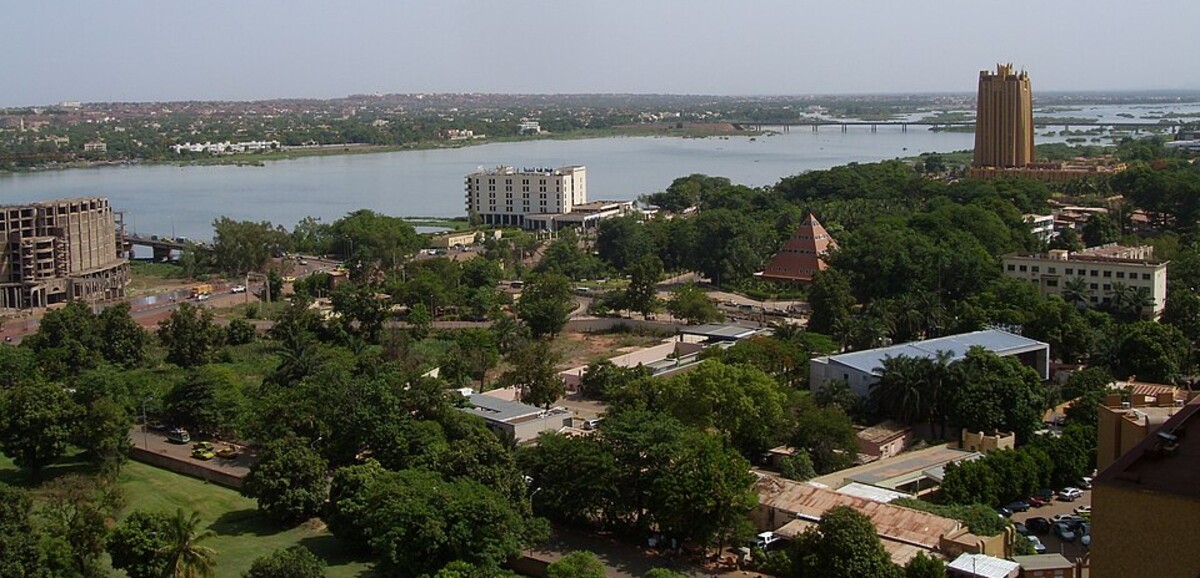
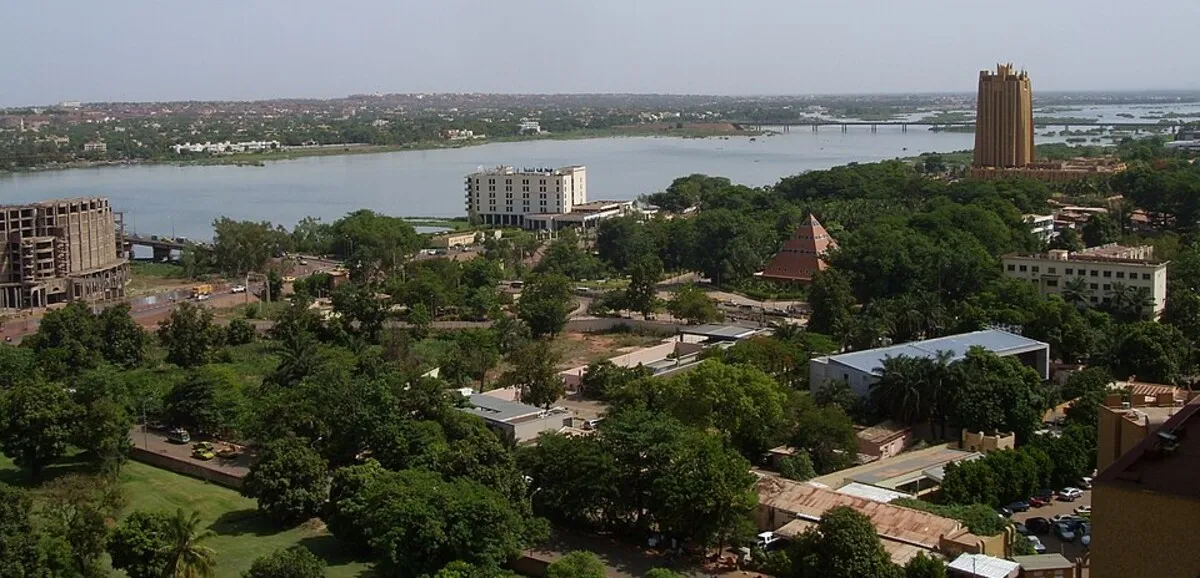
The capital of Mali, Bamako, has been under blockade since April 30, enforced by jihadists from the Group for the Support of Islam and Muslims (JNIM). On May 15, Amnesty International issued a urgent appeal to the militant group, demanding the immediate restoration of civil liberties and safe passage for residents.
Humanitarian fallout from the blockade
The prolonged siege has triggered severe disruptions to daily life in Bamako. Amnesty International’s regional director, Marceau Sivieude, condemned the blockade as a blatant violation of international humanitarian law, emphasizing that civilian lives and livelihoods are being disproportionately affected.
In a statement released on May 15, the organization highlighted “unacceptable consequences for the freedom of movement of civilians,” warning that the blockade could escalate into a full-blown humanitarian crisis. Sivieude underscored the legal obligations of armed groups under international law: “All parties in a conflict must distinguish between civilians and combatants at all times. Attacks on civilian vehicles are illegal.”
On May 6, militants targeted a commercial convoy transporting essential goods—including fruit—between Bamako and Bougouni. According to Amnesty International, the convoy was unarmed and carried no military personnel or equipment. The incident forced several transport companies to suspend operations to and from the capital, exacerbating supply shortages.
Broader implications of the siege
The blockade follows coordinated attacks on April 25 and 26 by JNIM, in alliance with Al-Qaeda, and the Azawad Liberation Front (FLA). These assaults targeted key military installations, deepening the instability gripping the country. The siege of Bamako has compounded the challenges faced by the transitional government, cutting off critical supply routes and plunging the city into economic paralysis.
The crisis has spotlighted the urgent need for dialogue and adherence to humanitarian principles. As the blockade enters its third week, the plight of civilians trapped in Bamako has become a pressing concern for the international community.