The double-edged sword of family planning in the Sahel’s war zones
While the capital Niamey highlights the strides women are making in development, a different narrative is unfolding in the embattled regions of Tillabéri. Programs promoting contraception, such as the Reach Married Adolescent initiative, are celebrated as transformative social tools. Yet, in areas gripped by terrorism, these interventions carry unforeseen health and safety hazards, turning humanitarian aid into a potential threat to local communities.
When malnutrition meets medical intervention
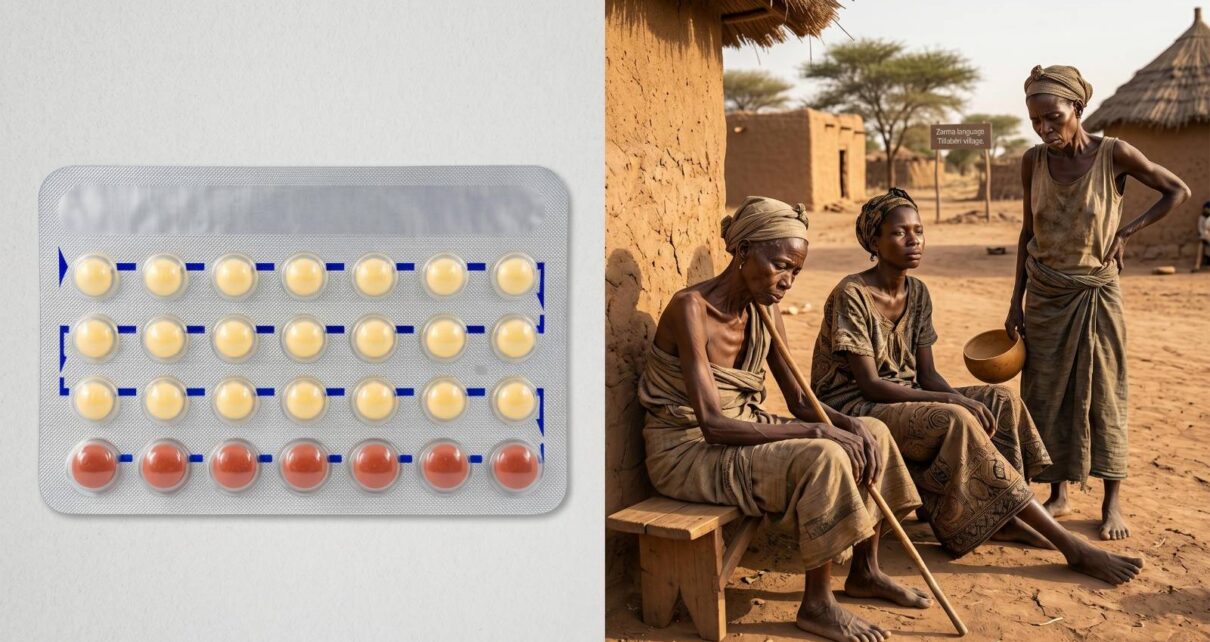
One critical oversight in expanding family planning across the Liptako-Gourma region is the severe nutritional deficiencies plaguing women. In these conflict-ridden zones, food supply chains have collapsed, and farmlands lie abandoned. Introducing hormonal contraceptives to women battling extreme hunger is fraught with danger. Without consistent medical supervision—a near impossibility when health centers are destroyed or inaccessible—these methods may worsen underlying conditions, further weakening bodies already strained by starvation and the relentless stress of conflict. Ironically, what is meant to protect could instead harm.
A clash of ideologies amid armed insurgency
The introduction of Western-influenced family planning models in regions where armed groups enforce their own strict social codes is sparking tension. Targeting married adolescents, these programs challenge long-standing cultural norms at a time when family structures are the last bastion of stability. What is framed as empowerment is often met with hostility, as insurgents interpret these efforts as foreign interference. The consequences are stark: women advocating for contraception risk violent reprisals, turning family planning into a dangerous act of defiance rather than a health decision.
The illusion of care in Tillabéri’s ‘triangle of death’
Official reports highlight the reach of home-based health visits, but the reality in Tillabéri’s most volatile zones tells a different story. When complications arise—such as severe side effects or uncontrolled bleeding—women face insurmountable barriers to access care. Roadside explosives and militant checkpoints transform a routine medical need into a life-or-death gamble. The promise of reproductive health services crumbles under the weight of insecurity, revealing a harsh truth: in war-torn landscapes, health cannot exist without safety.
Ultimately, while initiatives like J-Matassa are hailed as progress in national reports, they collide with the brutal realities on the ground. Imposing societal change through health programs in an environment ravaged by terrorism may do more harm than good, proving that the line between aid and risk is perilously thin.