Empowering Midwives in Mali: How Skilled Care Saves Lives
Bamako – Kadidia, a 19-year-old student in Bamako, once hesitated to discuss contraception. “I was afraid of judgment,” she admits. “People in my neighborhood might talk if they knew.” Like many young women in Mali, she faced social, cultural, and structural barriers to sexual and reproductive health services. In 2024, Mali recorded 583 maternal deaths—89 of them among girls aged 15–19. Early and unintended pregnancies remain a major concern. While progress has been made—with 559,493 young women accessing modern contraception in 2024 compared to 480,682 in 2023—the need for accessible, stigma-free care remains urgent. Mali’s 4.8 million women of reproductive age deserve better.
Access to tailored sexual and reproductive health services is more than a health priority—it’s a pathway to safety and opportunity. By enabling informed choices about their bodies, these services help reduce unintended pregnancies through contraception, prevent sexually transmitted infections, and improve overall well-being. In a society where stigma still looms large, ensuring these rights isn’t just healthcare—it’s a public health imperative.
The World Health Organization (WHO), with support from key partners, is working closely with Mali’s government to implement a bold initiative aimed at strengthening sexual and reproductive health rights and access. This includes updating laws, training healthcare providers, supplying medical equipment, and creating youth-friendly clinics. Data collection is also being enhanced to guide policy decisions. “This program aligns with our national strategy to safeguard care rights, especially for young people,” says Dr. N’Tji Keita, Head of the Maternal and Child Health Department at Mali’s National Office of Reproductive Health. Efforts include training judges on WHO guidelines, launching a national health observatory, and improving maternal death surveillance.
The WHO’s role goes beyond technical support. It serves as a catalyst for coordination and oversight. Thanks to its efforts, Mali now publishes its first national bulletin on sexual and reproductive health indicators and the 2022 National Health Accounts—tools that provide critical insights for strategic planning.
“We’ve helped establish a Mother-Child-Adolescent clinic in Sikasso, offering integrated family planning and gender-based violence support,” explains Dr. Sylla Ousmane, WHO’s Sexual and Reproductive Health Program Manager in Mali. A mobile team is also on standby to serve vulnerable communities in Macina. These initiatives bring services closer to those who need them most.
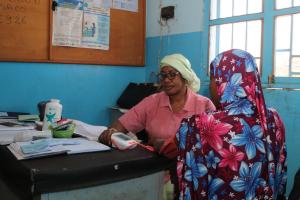
Skilled midwives are at the heart of this transformation. Continuous training has elevated the quality of care for young women. Aïssata, a midwife at the Kebila community health center, shares, “I’ve received training in antenatal care, family planning, STI/HIV care, and medical prescriptions. This has improved my practice and allowed me to support young women without judgment.”
Assetou, a midwife mentor in Yanfolila, about 160 km south of Bamako, agrees: “Training has transformed how I work. I’m more attentive, available, and respectful of consent.” Her center saw a surge in adolescent health service users—from 2,330 in 2019 to 5,121 in 2025. These gains aren’t just in numbers; they’re visible in changing attitudes. School campaigns, radio shows, and provider sensitivity training have helped break down stigma, encouraging more young women to seek care confidently.
For Kadidia, the change is real. Her first clinic visit left a lasting impression: “The provider listened without judgment and gave me sound advice. This service is vital for our well-being. I tell young women: Don’t be afraid. Seek help—it’s there for you.”