Mounting tensions between Burkina Faso’s government and the Peul minority
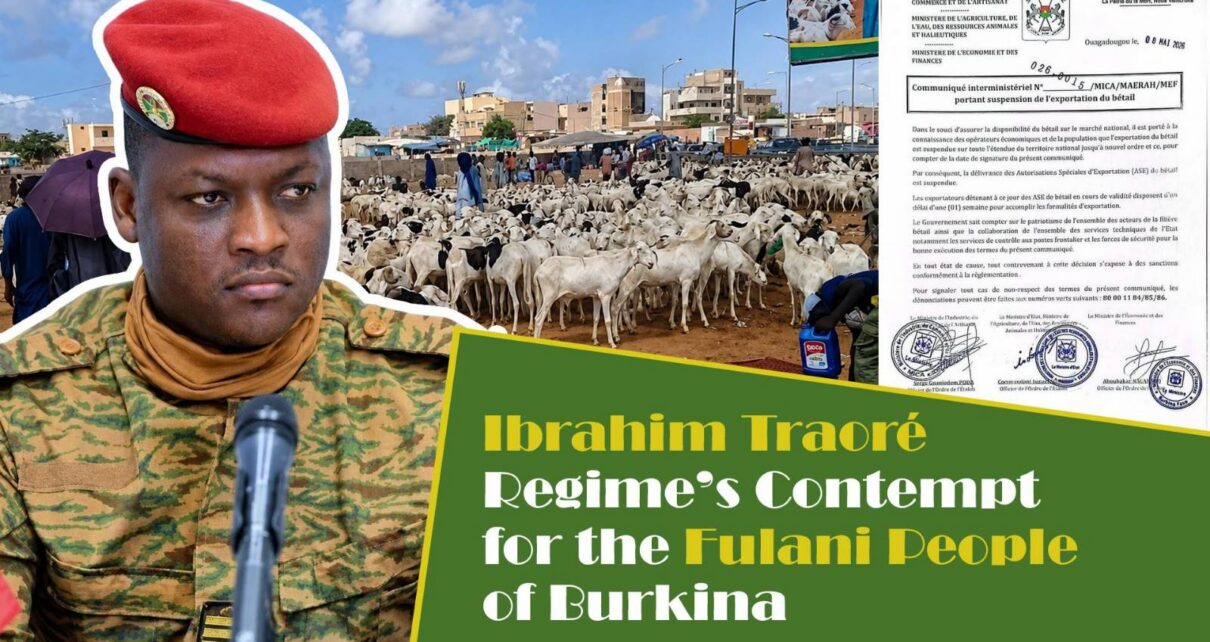
Burkina Faso is grappling with an escalating crisis as its central government, led by Captain Ibrahim Traoré, faces growing condemnation from the Peul community. Amid a brutal counterterrorism campaign, accusations of systematic military abuses and economic strangulation have deepened divisions, fueling allegations of targeted persecution against one of the country’s largest ethnic groups.
Allegations of state-sanctioned violence intensify
Since seizing power in a coup in September 2022, the transitional authorities have increasingly relied on the Volontaires pour la Défense de la Patrie (VDP), a civilian defense force meant to support the military. However, local testimonies and human rights reports reveal a disturbing pattern of abuses in Peul-majority regions of northern Burkina Faso.
Residents recount harrowing scenes of villages razed to the ground and civilians caught in crossfire—actions now perceived not as collateral damage, but as part of a deliberate strategy. For Peul leaders, these developments signal a dangerous shift from counterterrorism toward ethnic repression, with entire communities unfairly branded as complicit with armed insurgents.
A crippling economic blow to pastoral livelihoods
The government’s latest move—a decree restricting or outright banning cattle exports to Côte d’Ivoire—has sent shockwaves through the Peul community. Livestock trade has long been the backbone of their pastoral economy, and the closure of Burkina Faso’s primary regional market has left families reeling.
Consequences are immediate and severe:
- Financial ruin: Pastoral households face rapid impoverishment as income streams dry up.
- Social collapse: Families struggle to afford basic needs such as healthcare and education.
- Regional instability: Disrupted trade flows threaten long-standing economic ties across West Africa.
International observers warn of identity-based exclusion
Critics argue that the combination of violent repression and economic blockade reflects a calculated effort to marginalize the Peul population. The absence of independent investigations into reported massacres and the government’s combative rhetoric only reinforce fears of a deliberate divide-and-rule strategy. Once praised for its ethnic harmony, Burkina Faso now risks fracturing under the weight of identity-driven policies.
A security analyst specializing in the Sahel region cautioned: “Combating terrorism through injustice only breeds new grievances. Targeting a community alienates an entire section of the nation and sows the seeds of future vengeance.”
As the crisis deepens, the Peul’s plea for recognition resonates beyond national borders. Regional and global actors face mounting pressure to intervene before tensions spiral into a full-blown humanitarian catastrophe with far-reaching consequences for the Sahel.