Mali blocus: JNIM’s siege on Bamako triggers alarm over civilian suffering
The capital of Mali has been under a tight blockade since April 30, imposed by jihadists from the Group for the Support of Islam and Muslims (JNIM). This siege has severely restricted the movement of civilians, prompting international condemnation.

On May 15, Amnesty International issued an urgent appeal to the JNIM, urging the group to halt its blockade and respect the fundamental rights of Bamako’s residents. The JNIM, an affiliate of Al-Qaeda, has been accused of deliberately targeting civilian infrastructure, exacerbating a humanitarian crisis in the city.
The blockade’s crippling impact on daily life
In a statement, Amnesty International described the situation as having “unacceptable consequences” for civilians, warning that the blockade could lead to severe violations of their rights to food, health, and safety. The organization highlighted the illegality of attacks on civilian vehicles under international humanitarian law, stressing that all parties in a conflict must distinguish between combatants and non-combatants.
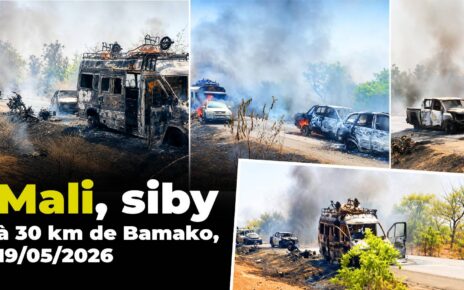
One of the most alarming incidents occurred on May 6, when the JNIM reportedly attacked a civilian convoy transporting fruits and goods between Bamako and Bougouni. The convoy was not escorted by military personnel nor carrying any weapons, yet it became a target. This attack has forced several transport companies to suspend their operations to and from the capital, further isolating the city.
Rising tensions after coordinated attacks
The blockade follows a series of coordinated assaults by the JNIM and the Azauad Liberation Front (FLA) on April 25 and 26. These attacks targeted key positions held by Mali’s military junta, escalating tensions in the region. The siege has since become a critical flashpoint, with civilians bearing the brunt of the violence.
Amnesty International’s regional director, Marceau Sivieude, emphasized that “attacks on civilian vehicles are a clear violation of international law.” The blockade not only restricts mobility but also cuts off essential supplies, leaving residents vulnerable to food shortages and medical emergencies.