Laurent Gbagbo secures party leadership in Côte d’Ivoire
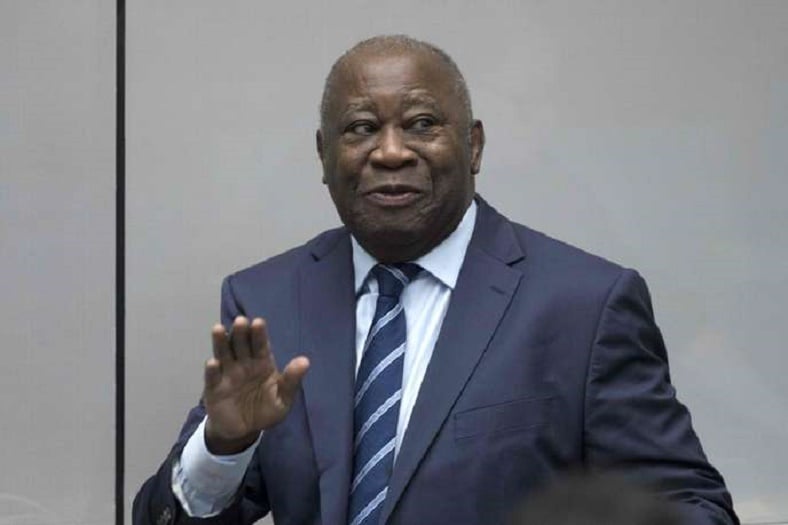
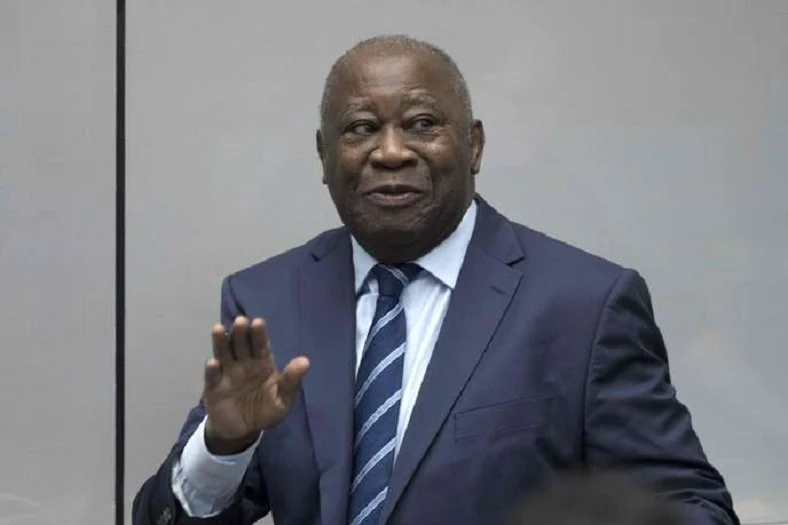
At nearly 81 years old, former Ivorian President Laurent Gbagbo has been re-elected as the leader of the Parti des peuples africains – Côte d’Ivoire (PPA-CI) during the party’s first regular congress. Despite earlier indications of stepping back from politics, his leadership continues to resonate with supporters, even as the party faces challenges following election boycotts.
Political setbacks and party challenges
Gbagbo, who served as President from 2000 to 2011, was barred from running in the October 2025 presidential election due to a criminal conviction that prevented his voter registration. His party, the PPA-CI, neither nominated nor supported a candidate, leading to its boycott of the December legislative elections. As a result, the party now holds no parliamentary seats and only a handful of mayoral positions.
The re-election of Gbagbo, announced at the close of the congress in Abidjan’s Treichville Congress Palace, was met with enthusiastic applause from delegates. Upon his arrival, he addressed the crowd, expressing gratitude for the warm reception before his scheduled speech the following day in Songon.
Party divisions and sanctions
The PPA-CI has faced internal fractures, with prominent figures such as Gbagbo’s ex-wife Simone Ehivet Gbagbo, his former ally Charles Blé Goudé, and former Prime Minister Pascal Affi N’Guessan breaking away from the party. During the congress, delegates also approved a resolution supporting the Alliance des États du Sahel (AES), a coalition of Burkina Faso, Mali, and Niger, which maintains strained relations with Côte d’Ivoire.
Additionally, disciplinary measures were taken against party members accused of disobedience. Ahoua Don Mello, who ran independently in the 2025 presidential election against party directives, was expelled, while Stéphane Kipré, who participated in the legislative elections as an independent, received an 18-month suspension.
Future prospects for Gbagbo
The former President’s political future hinges on his reinstatement on the electoral rolls, which requires amnesty from his successor, Alassane Ouattara. Ouattara assumed power in 2011 following a violent post-election crisis between their rival factions. Until then, Gbagbo’s influence in Ivorian politics remains constrained, leaving his party’s trajectory uncertain.