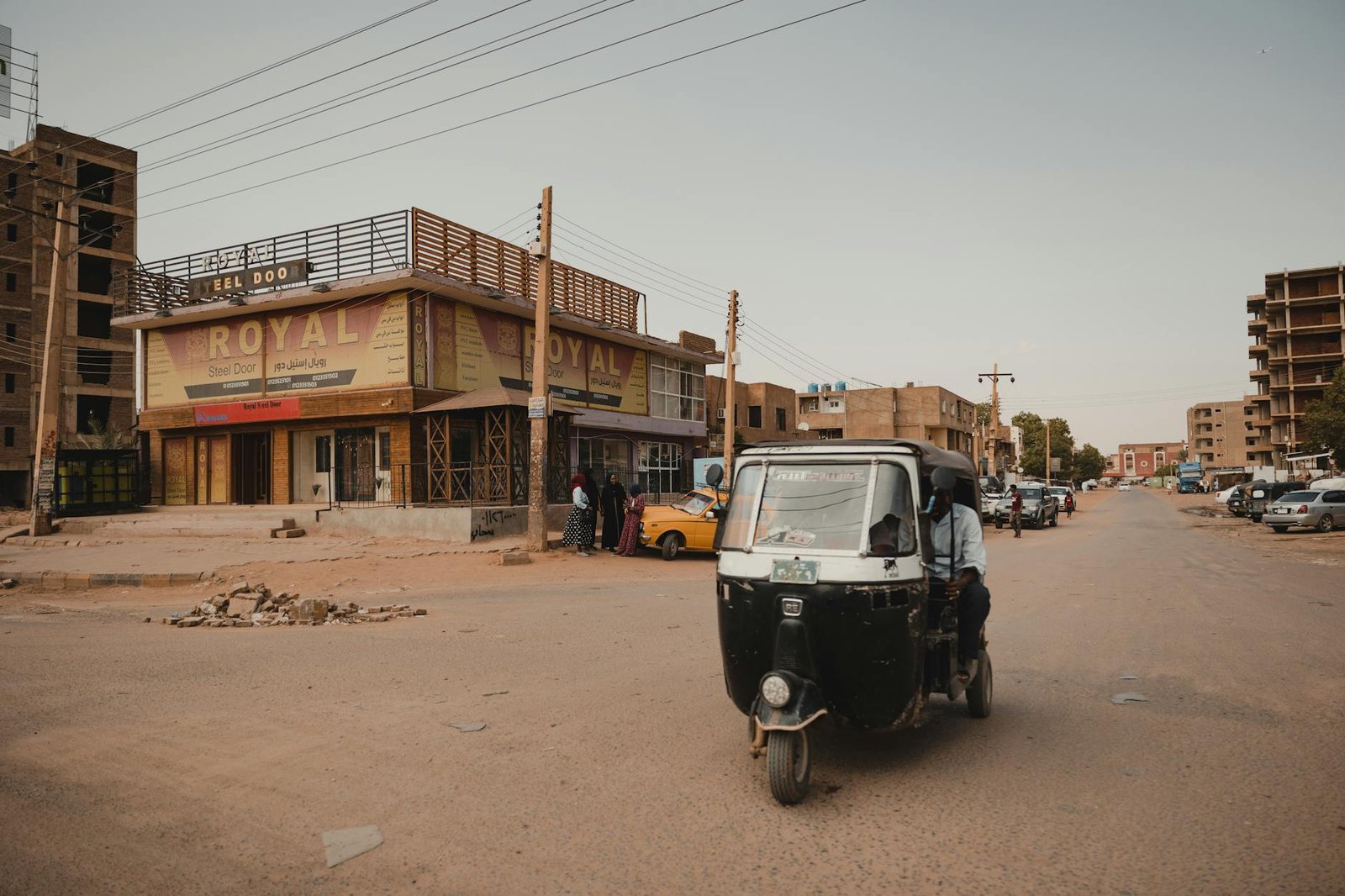
Mali’s jihadist blockade tightens around Bamako as key infrastructure comes under attack
In Mali, the jihadist group Jama’at Nusrat al-Islam wal Muslimin (JNIM), affiliated with al-Qaeda, has intensified its economic warfare by expanding its blockade around Bamako. Over the weekend, at least a dozen buses traveling along the critical Ségou-Bamako corridor—Mali’s primary supply route from the east—were set ablaze. Simultaneously, attackers targeted and destroyed electrical infrastructure linked to the Manantali hydroelectric dam in the Kayes region. While Malian forces continue counteroffensives across multiple fronts, the economic stranglehold on the country shows no signs of easing.
Manantali: A strategic target in a war of attrition
The assault on Manantali is far from arbitrary. The dam, operated jointly by Mali, Mauritania, and Senegal under the Organisation pour la mise en valeur du fleuve Sénégal (OMVS), serves as a cornerstone of Mali’s urban electricity grid. By disabling its transmission lines, JNIM is no longer merely striking at military targets—it is crippling the economic lifeblood of the capital. Power outages in Bamako paralyze public services, shutter businesses, and halt industrial activity, creating immediate hardship for millions.
This latest escalation follows weeks of systematic attacks on fuel convoys entering Mali from Senegal and Côte d’Ivoire. The jihadists are weaponizing fuel shortages to erode public confidence in the transitional government led by General Assimi Goïta. Once relatively insulated from the conflict’s worst effects, Bamako now finds itself at the epicenter of a grinding battle for control.
Army responds with partial relief efforts
The Malian Armed Forces (FAMa) report ongoing ground and aerial operations across several regions. Recent military escorts have facilitated the entry of hundreds of fuel tankers into Bamako, temporarily easing pressure on gas stations. Yet this respite remains fragile. Each convoy demands significant resources, and the long-term security of Mali’s national roads remains an elusive goal. The strain on troops is compounded by a dual threat: while jihadists escalate ambushes and infrastructure sabotage in the west and center, the tense standoff in Kidal—home to rebel factions within the Cadre stratégique permanent—threatens to erupt into fresh clashes.
Bamako is now navigating a precarious balancing act. With dwindling resources and competing security priorities, the government faces an uphill struggle to stabilize both its borders and its capital.
Regional spillover: A crisis with cross-border consequences
The blockade’s ripple effects extend far beyond Mali’s borders. Neighboring economies, including those of Senegal, Mauritania, and Côte d’Ivoire, are feeling the pinch as trade corridors in West Africa falter. The slowdown has directly impacted ports in Dakar and Abidjan, where a substantial share of goods destined for the Sahel transits. Despite the formation of the Confédération des États du Sahel—uniting Mali, Burkina Faso, and Niger—the bloc has yet to mount a unified response to the jihadists’ economic warfare.
The attack on Manantali also raises urgent questions about shared OMVS infrastructure. Any further damage could disrupt electricity supplies to Senegal and Mauritania, turning a Malian crisis into a regional emergency. International partners, from development lenders to military suppliers, now face a critical dilemma: how to support Bamako’s sovereignty while safeguarding transboundary critical infrastructure.
On the ground, the stark contrast between the army’s operational claims and the stark reality of a besieged capital underscores the conflict’s evolving nature. JNIM’s strategy has shifted from territorial control to economic asphyxiation—aiming not just to weaken the state, but to collapse it entirely.