Deadly raids in central Mali villages leave 31 civilians dead
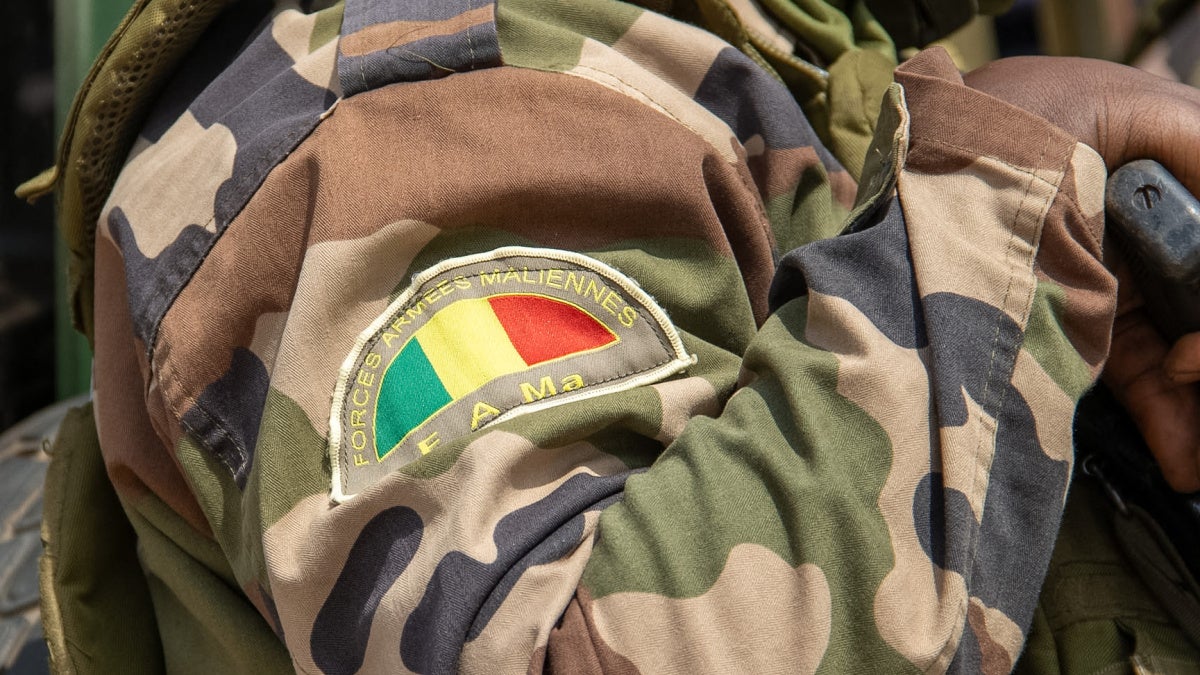
In a brutal escalation of violence, the Malian army and allied militias executed at least 31 civilians during raids on two villages in the Ségou region in early October. The attacks, which included executions and arson, targeted communities in an area under the control of the Group for the Support of Islam and Muslims (JNIM), an Al-Qaeda affiliate.
On October 2, soldiers accompanied by Dozos militiamen stormed Kamona village, killing 21 men and setting fire to 10 homes. Witnesses reported that the soldiers and militiamen rounded up villagers, accusing them of collaborating with JNIM, and executed them. Survivors described a scene of indiscriminate violence, with bodies left scattered in the village and surrounding areas.
« Those who couldn’t escape were gathered and shot, » shared a local survivor who witnessed the carnage. The attackers arrived in at least seven pickup trucks, three armored vehicles, and on motorcycles, identifying themselves through their camouflage uniforms and traditional Dozo attire, including distinctive neck amulets. Before the assault, JNIM fighters had reportedly warned villagers of the impending attack, prompting many to flee. However, those who remained were systematically targeted.
The violence in Kamona followed a pattern of retaliation that observers link to recent JNIM offensives in the region. On August 8, the group attacked the Siribala sugar factory, a strategic economic site, deepening tensions in the area. By October 2, the army’s response in Kamona left 17 bodies under a tree and four more scattered nearby, all men between the ages of 20 and 65. Villagers buried the dead in two mass graves, describing the victims as having been shot at close range, with some bodies showing signs of severe trauma.
A 40-year-old herder recounted hiding in an abandoned house with his 9-year-old daughter during the attack. « When the assailants left around 4 PM, I found 17 bodies, » he said. « The people had been riddled with bullets. One man’s head was completely shattered. I saw spent bullet casings scattered everywhere. »
On October 13, a similar operation unfolded in Balle village, 55 kilometers from Kamona. Soldiers in five pickup trucks and Dozo militiamen on 30 motorcycles descended on the village, forcing residents into hiding. « I didn’t flee immediately, but when I saw soldiers going door-to-door and assaulting men, I ran, » said a 24-year-old resident. « From my hiding place, I heard gunfire. »
The assault in Balle resulted in 10 deaths, including a 55-year-old woman, and the theft of over 100 cattle. Survivors described finding the bodies « riddled with bullets » and some with broken limbs. The attackers’ motive appeared tied to long-standing tensions, as Balle has been under JNIM control for years. « We pay zakat [Islamic tax] every year, » explained a local. « Any disputes are resolved by the jihadists. There are no soldiers, gendarmes, or police here. The army doesn’t distinguish between us and them. »
In the wake of the attacks, Malian military officials claimed the operations were « offensive reconnaissance » missions that neutralized « around twenty terrorists » and seized military equipment. However, villagers and human rights observers dispute these assertions, citing the lack of armed confrontations and the deliberate targeting of unarmed civilians.
The Ségou region has been a flashpoint in Mali’s decade-long conflict, which has displaced over 400,000 people and claimed thousands of lives. Both state forces and armed groups, including JNIM, have been accused of grave human rights violations. International humanitarian law prohibits attacks on civilians, executions, and cruel treatment, with perpetrators potentially facing prosecution for war crimes.
Despite Mali’s withdrawal from the International Criminal Court (ICC) in September, the country remains bound by the Rome Statute until September 2026. The ICC opened an investigation into alleged war crimes in Mali in 2013, but accountability for atrocities remains elusive. The African Union (AU), tasked with promoting peace and security, has yet to take meaningful action beyond issuing statements of concern.
Critics argue that the AU’s inaction has emboldened perpetrators of violence. « The AU Peace and Security Council must prioritize the Mali conflict, » emphasized a regional analyst. « It should convene regular briefings, strengthen diplomatic efforts, and coordinate regional and international responses to ensure accountability for abuses by all parties. »