Massacres in central Mali: soldiers and dozos accused of killing 31 civilians
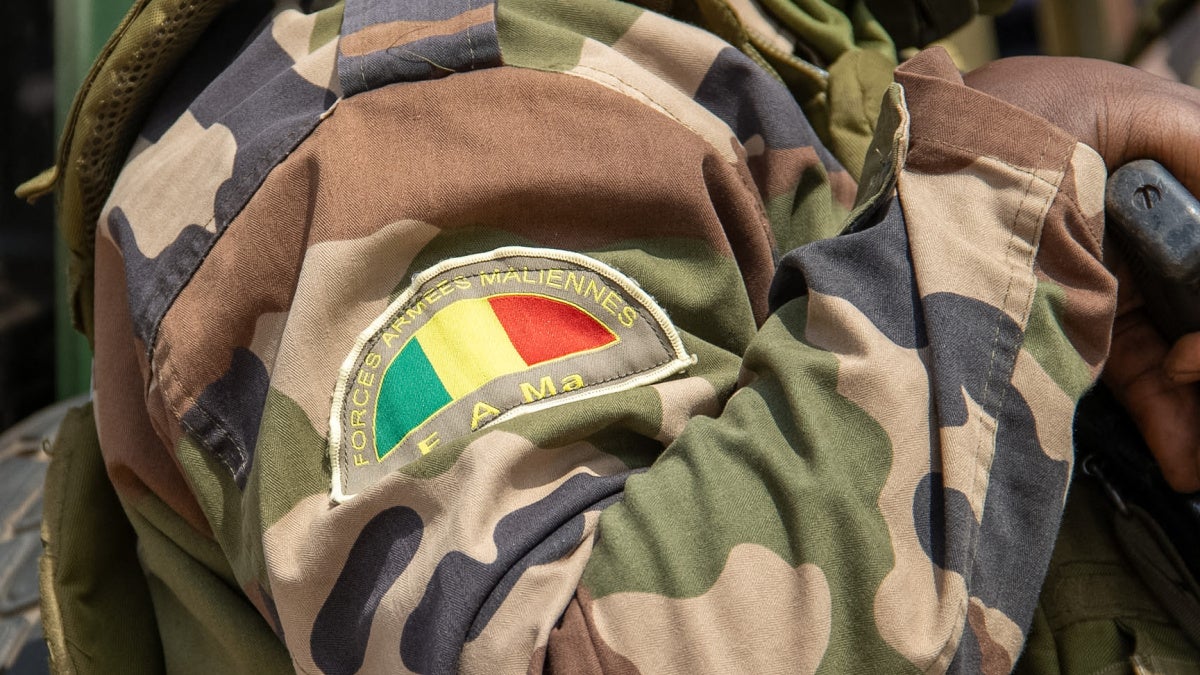
The Malian army and allied militias, including the dozos, stand accused of executing at least 31 civilians and burning homes in two villages in the Ségou region during two separate operations on October 2 and 13. These incidents occurred in an area under the control of the Group for the Support of Islam and Muslims (GSIM), an Al-Qaeda-affiliated group, and have drawn sharp condemnation from local communities and human rights observers.
Kamona massacre: 21 men executed, homes reduced to ashes
On October 2, around 10 a.m., soldiers in camouflage uniforms arrived in Kamona aboard seven pickup trucks and three armored vehicles, accompanied by dozos—traditional hunters known for their distinctive attire and protective amulets. Survivors reported that the army and militias accused the villagers of collaborating with the GSIM, despite no active armed confrontation occurring in the area.
« Those who couldn’t flee were rounded up and executed, » recounted a survivor who hid in an abandoned building. Witnesses identified the attackers by their uniforms and traditional markings, confirming the presence of both military personnel and dozos.
By the end of the day, 17 bodies were found under a tree in the village, with four more discovered north of Kamona. Homes belonging to Fulani ethnic community members were torched, leaving families displaced. A 40-year-old herder, who had taken shelter with his 9-year-old daughter, described the scene: « The bodies were riddled with bullets. One man’s head was completely shattered, and spent cartridges littered the ground. »
Local leaders compiled a list of 21 male victims, aged 20 to 65, though villagers believe the toll may be higher, with at least 15 additional men reportedly killed in the surrounding bushland. Fear of further reprisals prevented further verification.
Balle attack: 10 civilians killed, livestock stolen
Thirteen days later, on October 13, soldiers and dozos struck the neighboring village of Balle, approximately 55 kilometers away. Using five pickup trucks and at least 30 motorcycles, the attackers conducted door-to-door searches, assaulting men and executing civilians on sight.
A 24-year-old man, who initially stayed behind, recounted: « When I saw soldiers beating and kicking men, I fled. From my hiding place, I heard gunfire. » The assault left 10 dead, including a 55-year-old woman, and resulted in the theft of over 100 cattle. A 33-year-old villager discovered the bodies: « They lay side by side, their bodies torn apart by bullets. Some had broken limbs. »
The victim’s 21-year-old daughter described her mother’s final moments: « She confronted the soldiers, accusing them of mistreating villagers. They dragged her to where the men were gathered and shot her. »
Military officials later claimed the operation had « neutralized around twenty terrorists » and seized weapons, though locals dispute these assertions. « We’ve lived under GSIM control for years, » said a resident. « We pay zakat to them annually. Disputes are settled by the jihadists—there are no soldiers, gendarmes, or police here. The army doesn’t distinguish between us and them. »
Calls for accountability amid ongoing conflict
The Ségou region has been a flashpoint in Mali’s decade-long insurgency, with civilians bearing the brunt of violence from both state forces and armed groups. Since 2012, clashes have claimed thousands of lives and displaced over 400,000 people. Human rights organizations have documented widespread abuses, including extrajudicial killings, torture, and destruction of property by all parties involved.
International humanitarian law prohibits attacks on civilians, summary executions, and the destruction of civilian property. Despite Mali’s withdrawal from the International Criminal Court (ICC) in September, the country remains bound by the Rome Statute until September 2026, with an ongoing ICC investigation into war crimes dating back to 2012.
Human rights advocates urge Malian authorities to conduct transparent investigations and hold perpetrators accountable. « The October massacres in Ségou are part of a pattern of atrocities linked to the army and allied militias, » stated a senior Sahel researcher. « Credible, impartial inquiries must be launched, and those responsible must face fair trials. »
With the GSIM intensifying its siege on Bamako since early September, cutting off fuel supplies and prompting the temporary closure of schools and universities, the humanitarian crisis in Mali continues to deteriorate. The international community, including the African Union, has yet to take decisive action to address the escalating violence and ensure justice for victims.