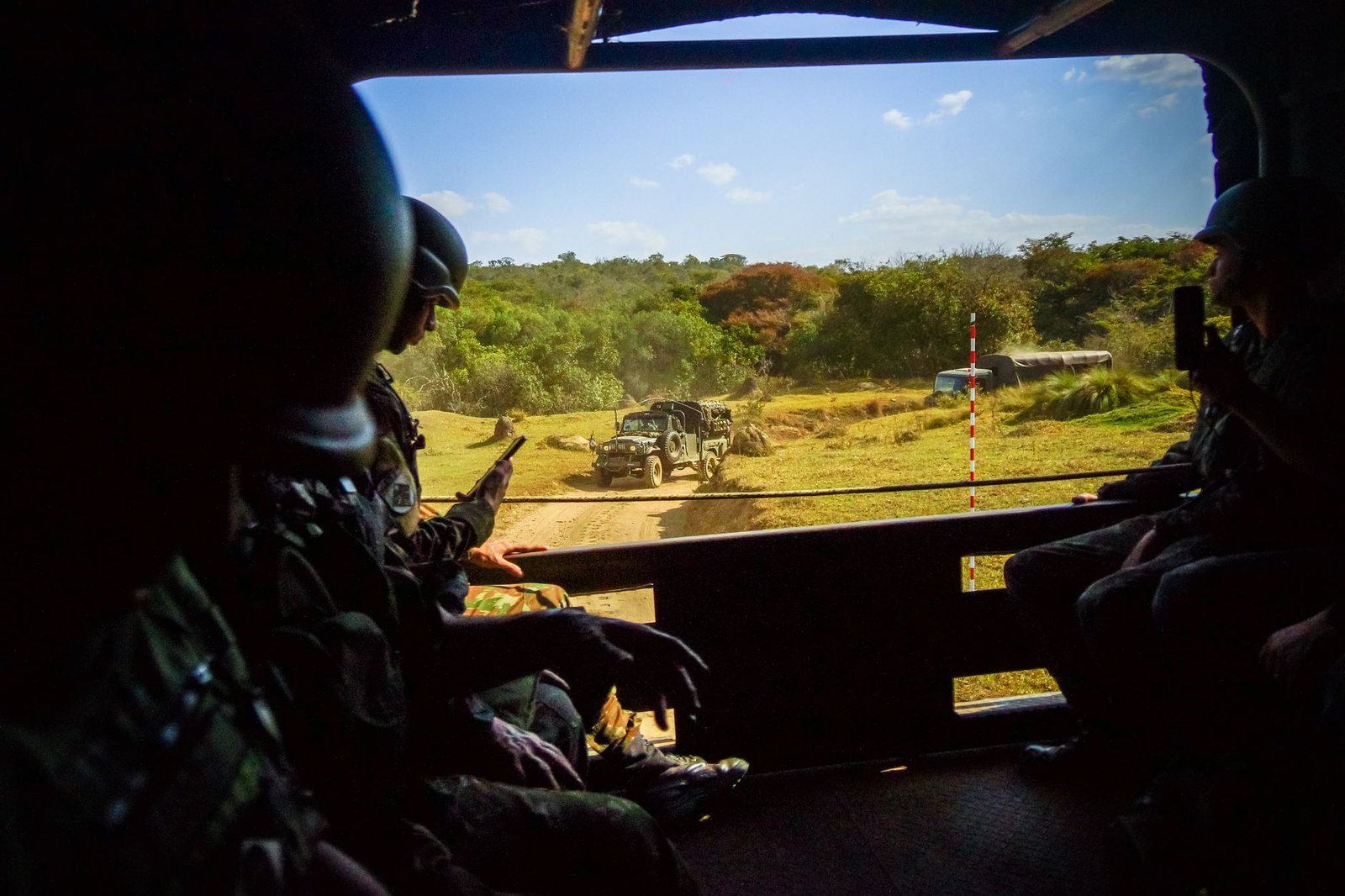
The Malian junta is advancing its strategy for territorial reconquest, marking a significant escalation in its efforts. A ministerial decree, publicly released on Friday, June 5, 2026, by authorities in Bamako, has established military interest zones encompassing approximately forty forests across the nation. These areas are now exclusively reserved for operations by the Malian Armed Forces (FAMa) and are strictly off-limits to any civilian presence. The measure explicitly targets suspected strongholds of jihadist groups linked to the Islamic State in the Sahel and Jama’at Nusrat al-Islam wal-Muslimin (JNIM).
Security mapping redefines land use in Mali
The decree meticulously lists the affected forest blocks, distributed across various regions of the country. Heavily wooded areas in central and southern Mali, which have long served as sanctuary and staging grounds for armed combatants, feature prominently in this new security framework. By sealing off access to these crucial spaces, the junta aims to sever the logistical lifelines of armed brigades and facilitate targeted aerial strikes without endangering local populations.
The strategic choice to regulate forests is far from arbitrary. For over a decade, these vast woodlands have functioned as grey zones where subsistence economies, illicit trade, and insurgent activities intertwine. Villagers traditionally gather firewood, medicinal plants, and game, while pastoralists herd their livestock through these routes. This new legal framework profoundly disrupts that delicate balance, effectively placing these vital resources under military control.
In practical terms, any civilian intrusion into these zones will now be subject to penalties, and sweep operations can be deployed without prior warning. This directive aligns with the firm doctrine championed by the colonels who have governed since the dual coups of 2020 and 2021. Their administration notably ended the French military presence and reoriented Mali’s security architecture towards Russian partners.
A military gambit with substantial humanitarian implications
The tactical efficacy of this measure will hinge on the FAMa’s and their auxiliary forces’ sustained ability to control these forested terrains. Heliborne operations and precision strikes, which have become central since the departure of the United Nations Multidimensional Integrated Stabilization Mission in Mali (MINUSMA) in 2023, now benefit from an expanded legal framework within these prohibited zones. For Bamako, this also serves as a public declaration of renewed initiative against an insecurity that has spread southward, reaching the outskirts of Bamako and Kayes.
Nevertheless, the social repercussions could prove considerable. Tens of thousands of residents live in close proximity to the targeted forest blocks, deriving a substantial portion of their income from forest exploitation. This prohibition risks further destabilizing rural communities already grappling with drought, food inflation, and the closure of cross-border markets. The precedent set in Burkina Faso, where similar military interest zones were established as early as 2023, demonstrates a clear correlation between expanding militarized perimeters and significant internal displacement.
A Sahelian convergence towards militarized territories
Mali’s approach is part of a broader regional trend. Burkina Faso and Niger, partners within the Confédération des États du Sahel (AES), have increasingly implemented exceptional territorial measures since 2024 to regain control from armed groups. This doctrinal convergence reflects a shared vision of security sovereignty, emphasizing physical control over peripheral areas and the temporary suspension of certain customary usage rights.
International partners are observing this shift with caution. Human rights organizations have repeatedly documented abuses committed in areas placed under heightened military regimes. The junta’s capacity to balance operational effectiveness with respect for civilian populations will be closely scrutinized, particularly by neighboring West African nations and the donors still active in the country.
Economically, the establishment of these restricted perimeters could also impact artisanal mining concessions and certain gold extraction operations situated along the fringes of the targeted forests. The government has not, at this stage, specified the modalities for compensating or reallocating affected populations.