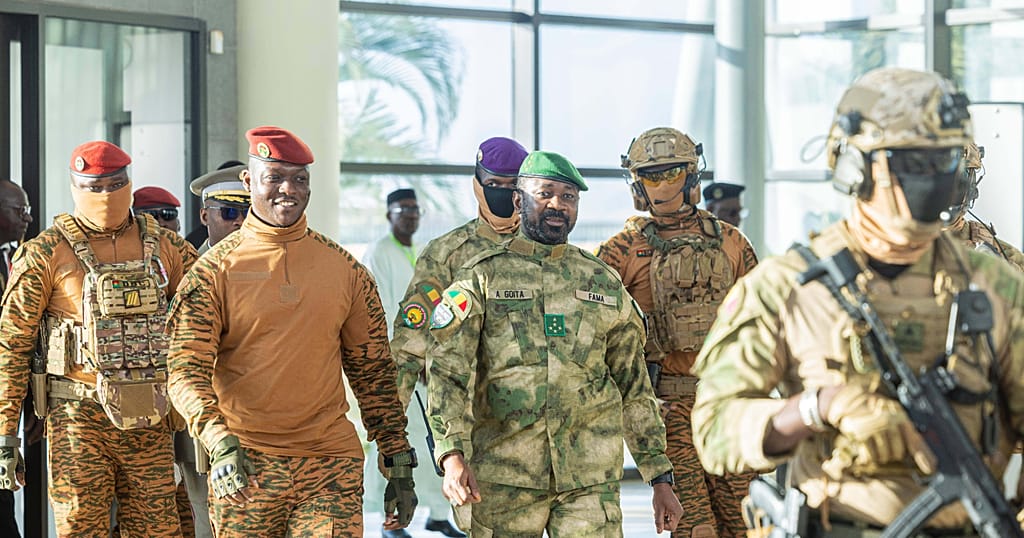
Bamako remains on edge weeks after the violent incidents of April 25, which left General Sadio Camara, a key figure in Mali’s military leadership, dead. The Malian Armed Forces have now revealed details of what they describe as a meticulously planned assassination attempt targeting the nation’s highest authorities, including Transitional President Assimi Goïta.
During a press briefing, military officials disclosed that multiple vehicle-borne explosives were deployed in the operation. The Deputy Director of Public Relations for the Armed Forces, Commander Djibrila Maïga, emphasized the gravity of the situation: This carefully orchestrated plot was designed to eliminate our leaders, he stated. One of the explosive-laden vehicles was reportedly headed straight for the presidential residence, according to military intelligence.
The unfolding narrative has sparked a diplomatic and media storm, prompting Burkina Faso’s Supreme Council of Communication to take decisive action. The council has suspended broadcasts of TV5Monde, accusing the international French-language network of amplifying terrorist propaganda and undermining Mali’s transitional institutions through biased coverage.
In Ouagadougou, public reaction to the suspension is divided. Some citizens, like Flore Guigma, argue that enabling channels that glorify terrorism is unacceptable. We cannot allow media outlets that encourage terrorism to broadcast freely in Burkina Faso, she asserts. Others, such as Serge Théophile Bancé, criticize what they see as a patronizing approach to Sahelian nations by certain international media organizations. There’s an undeniable condescension in how they frame our stories, he remarks. Many have since turned away from these channels entirely.
Meanwhile, Reporters Without Borders has raised concerns over the decision, calling it an opaque move that further restricts press freedom in the region. Since Captain Ibrahim Traoré assumed leadership, several international news outlets—including Le Monde, LCI, France 24, RFI, BBC News, and Voice of America—have faced suspensions, signaling growing tensions between Sahelian governments and foreign media.