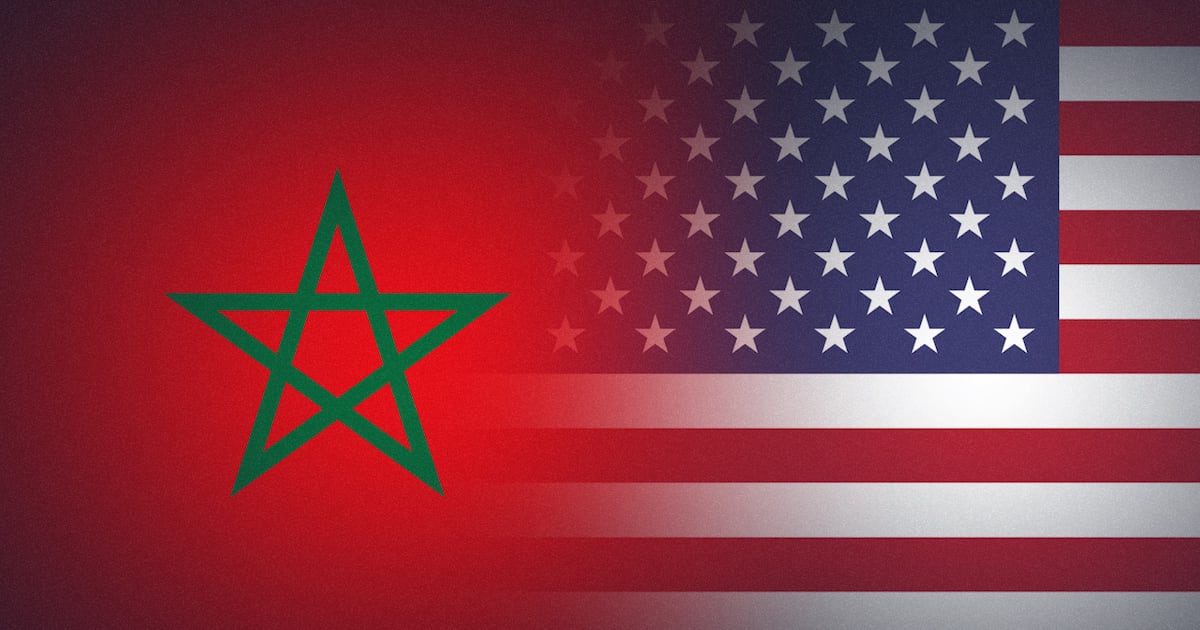
The strategic alliance between the United States and Morocco dates back to the early days of American independence, with a friendship treaty signed in 1786. Over the past two and a half centuries, this initial agreement has only strengthened, weaving a dense web of cooperation that now highlights Morocco’s dominance over the Sahara.
On Monday, July 7, King Mohammed VI sent a congratulatory message to President Donald Trump on the 250th anniversary of American independence. In this letter, the monarch emphasized the ‘rich and fruitful’ nature of bilateral relations and recalled that Morocco was the first nation to recognize the sovereignty of newly independent America. He also expressed gratitude for Trump’s decision to acknowledge Moroccan sovereignty over the Sahara, an act he described as ‘graven in the memory of Moroccans.’ Furthermore, the King highlighted that this bond has only reached its full potential and fertility under Donald Trump’s two terms.
The King emphasized that the security and military cooperation between Rabat and Washington is a ‘model of excellence.’ He also celebrated the historic level of trade exchanges between the two nations. The unique intimacy and longevity of this exceptional relationship cannot be attributed to chance: Morocco was the first country to recognize America after gaining independence, standing firm against British attempts to partition the young nation. When American forces faced internal strife, Morocco provided unwavering support, intercepting separatist groups trying to land in Tanger and banning them from using Moroccan ports.
Such constancy deserves recognition as an exceptional diplomatic inheritance, a political legacy and unique model of bilateral cooperation. It is essential to highlight this heritage, revive it, and disseminate it globally. This lasting debt must also be acknowledged by successive American generations as a moral obligation that should prevent any policy or decision from harming Morocco’s interests or undermining its territorial integrity.