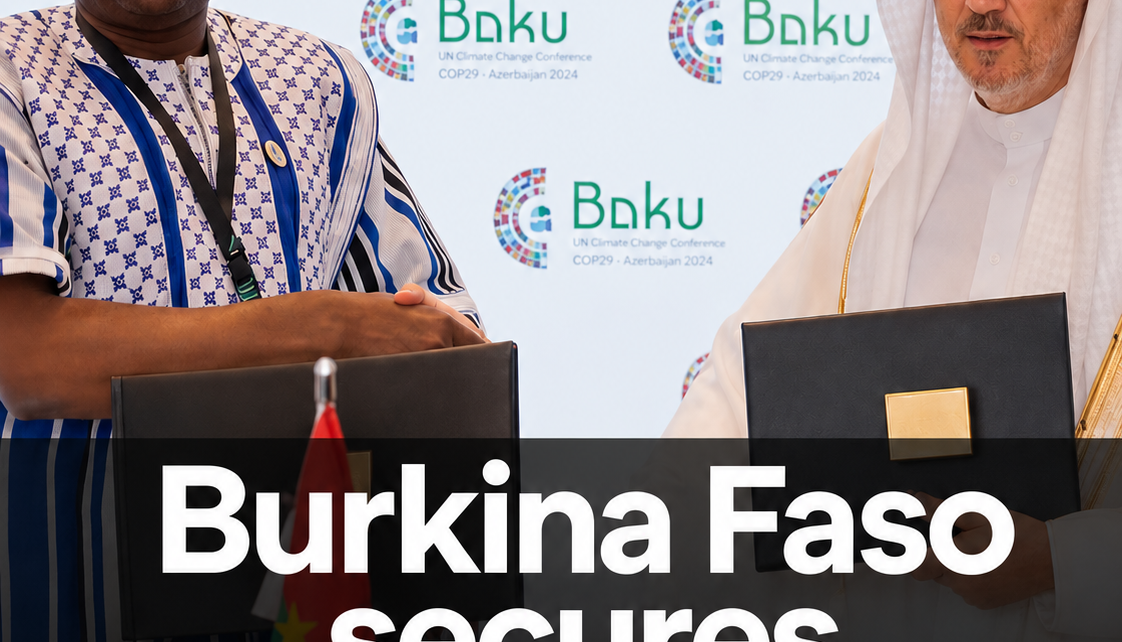
The Burkina Faso government has recently secured a significant financial lifeline through a newly signed agreement with the International Islamic Trade Finance Corporation (ITFC) in Baku. This accord, though largely unpublicized in domestic media, represents a critical intervention for the nation’s struggling economy. The allocated funds will be directed toward essential sectors including fuel, food staples, fertilizers, and small business support, providing much-needed relief to both urban and rural populations.
For the average Burkinabè, this financial injection translates into tangible benefits: stabilized fuel prices at the pump, increased agricultural productivity through fertilizer availability, and a bolstered private sector. Without such external financing, maintaining these vital supplies would have proven exceedingly difficult, potentially exacerbating existing shortages and economic strain.
Yet this development exposes a glaring contradiction in the government’s public messaging. Official narratives and political speeches have long championed the notion of Burkina Faso’s self-sufficiency, with frequent declarations of pursuing development « without external credit. » Such rhetoric, while politically resonant, now clashes with the undeniable reality of the country’s financial dependencies.
How can a nation that prides itself on economic independence justify securing substantial foreign financing agreements from a distant nation like Azerbaijan? The paradox underscores a troubling disconnect between political discourse and economic pragmatism. The illusion of a « debt-free » economy, while comforting in theory, risks masking the true extent of Burkina Faso’s financial obligations.
The consequences of this oversight may soon become apparent. Without a clear, sustainable strategy to balance domestic revenue generation with responsible borrowing, the country could face a future where debt burdens once again constrain its growth. Economic principles, after all, do not bend to political slogans—they follow their own immutable laws.