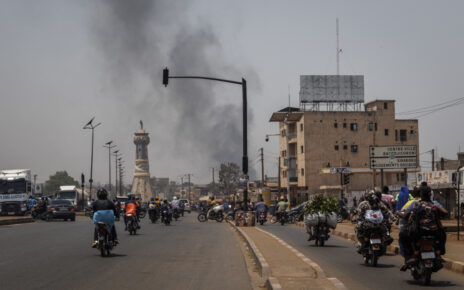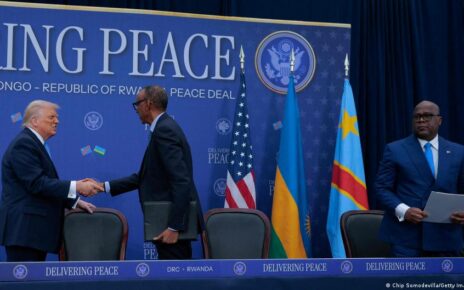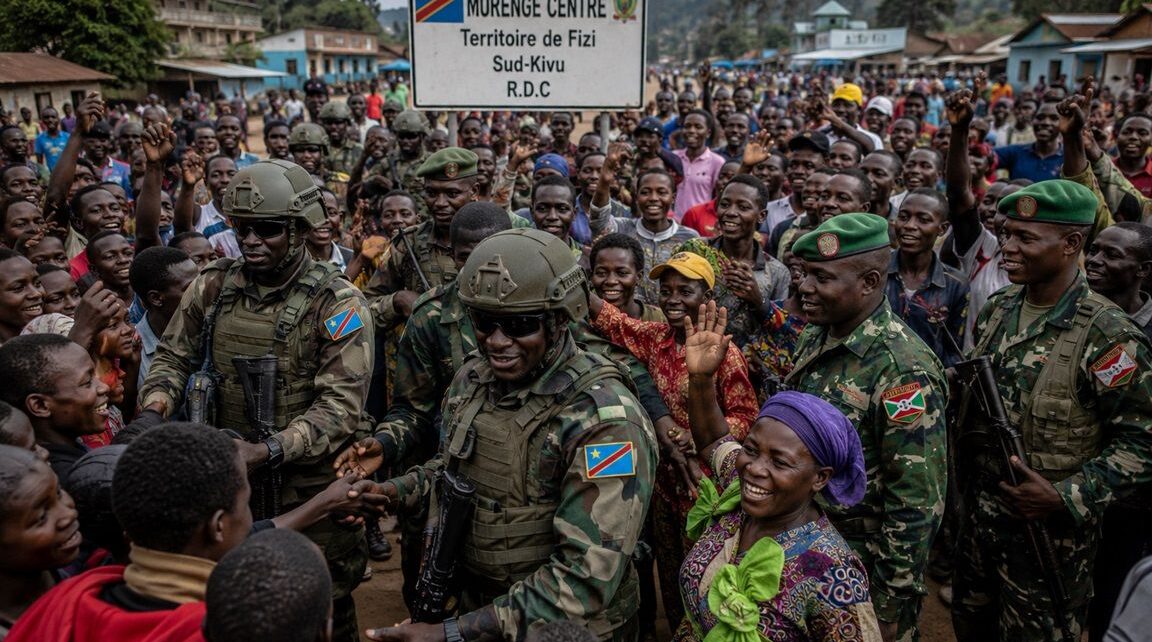
The battle for Minembwe has evolved beyond a local skirmish between armed factions into a pivotal confrontation shaping the broader conflict in eastern Democratic Republic of the Congo (RDC). Government forces, bolstered by Burundi‘s military and allied Wazalendo militias, now face off against rebel groups Twirwaneho and AFC/M23—which Kinshasa accuses Rwanda of supporting.
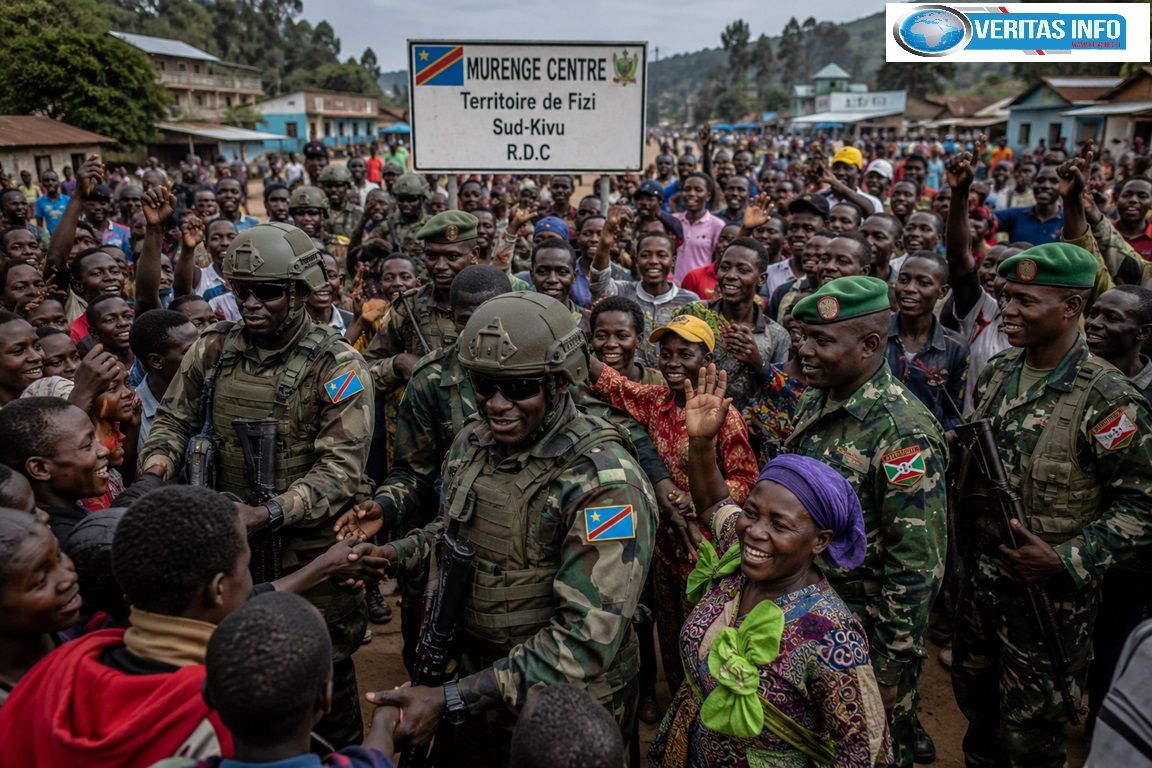
Military authorities in Kinshasa insist that the FARDC, supported by Burundi‘s FDNB and Wazalendo forces, maintain control over Minembwe-center, its airstrip, and surrounding areas. The government dismisses claims circulating on social media about rebel reoccupation as disinformation.
Minembwe’s strategic location in the South-Kivu highlands makes it a critical prize. Controlling the area influences key routes connecting Fizi, Uvira, and mountainous zones often used by armed groups as hideouts or supply corridors.
Kinshasa’s strategic victory
If the current situation holds, securing Minembwe would mark one of the most significant military achievements for the Congolese government in South-Kivu in recent months. For years, President Félix Tshisekedi‘s administration has faced criticism for failing to restore lasting state authority in the highlands. Stabilizing Minembwe could validate Kinshasa’s strategy of partnering with Wazalendo and collaborating militarily with Burundi—offering tangible proof of progress.
In a climate where Congolese public opinion demands concrete action against armed groups, such a development could bolster the government’s credibility among parts of the population.
Burundi’s rising regional influence
Bujumbura‘s military involvement alongside the FARDC underscores shifting security dynamics in the Great Lakes region. The Burundian government has emerged as a key military partner for Kinshasa, and consolidating control in Minembwe would further strengthen Bujumbura’s diplomatic leverage in regional security discussions.
This development may also intensify the strategic rivalry between Burundi and Rwanda, whose security interests increasingly diverge in eastern DRC.
Rebel setbacks and media warfare
For rebel factions, the battle for Minembwe carries symbolic weight. The AFC/M23 has sought to demonstrate its ability to expand influence beyond its traditional strongholds in North-Kivu. Losing this high-profile area would undermine their narrative of sustained progress and could demoralize fighters and their online support networks.
/image%2F1046414%2F20260621%2Fob_702fb3_bdi-Burundi-iscam-000-05092025-fdnb-79.jpeg)
The intense information war unfolding reflects how modern conflicts are fought as much in the media space as on the battlefield. Each side now vies not only for territorial control but also for narrative dominance—a critical factor in shaping public perception.
A battle far from decided
Experts caution that the situation remains fluid. Eastern DRC‘s military history shows how quickly control over a locality can shift. While the FARDC currently holds Minembwe and its airstrip, the central question remains whether the Congolese state can sustain its authority in this rugged, hard-to-reach region.
For Kinshasa, the stakes extend beyond a single town. The government aims to gradually reclaim zones long dominated by armed groups. For the rebels, the goal is to prevent a shift in the balance of power across South-Kivu’s highlands.
In Minembwe, as across eastern DRC, the conflict has become as much a political struggle as a military one. In this war of competing claims, controlling the narrative has become nearly as vital as controlling the territory itself.