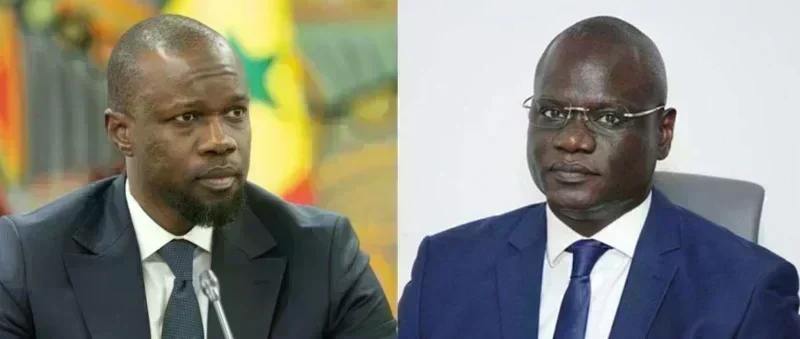
Over the past two years, Senegal’s Ministry of Higher Education has seen three leadership changes, including former minister Abdourahmane Diouf, who served before Daouda Ngom and current officeholder Boubacar Camara, appointed on June 1, 2026.
Among the six parliamentary inquiry commissions scheduled for debate during Monday’s August 10, 2026 extraordinary session of the National Assembly, one stands out: the investigation into alleged irregularities in contract awards and execution of the ‘One Student, One Laptop’ program. Managed by the Ministry of Higher Education, Research and Innovation since 2017 with a cumulative budget of approximately 48 billion CFA francs, the inquiry has sparked speculation: is this effort, intentionally or otherwise, targeting former minister Abdourahmane Diouf?
An investigation rooted in months of scrutiny
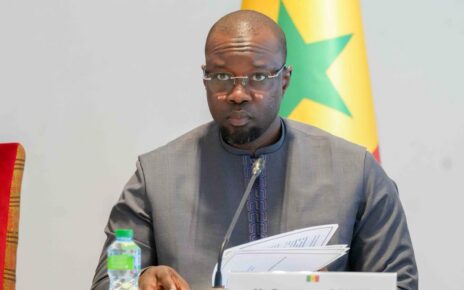
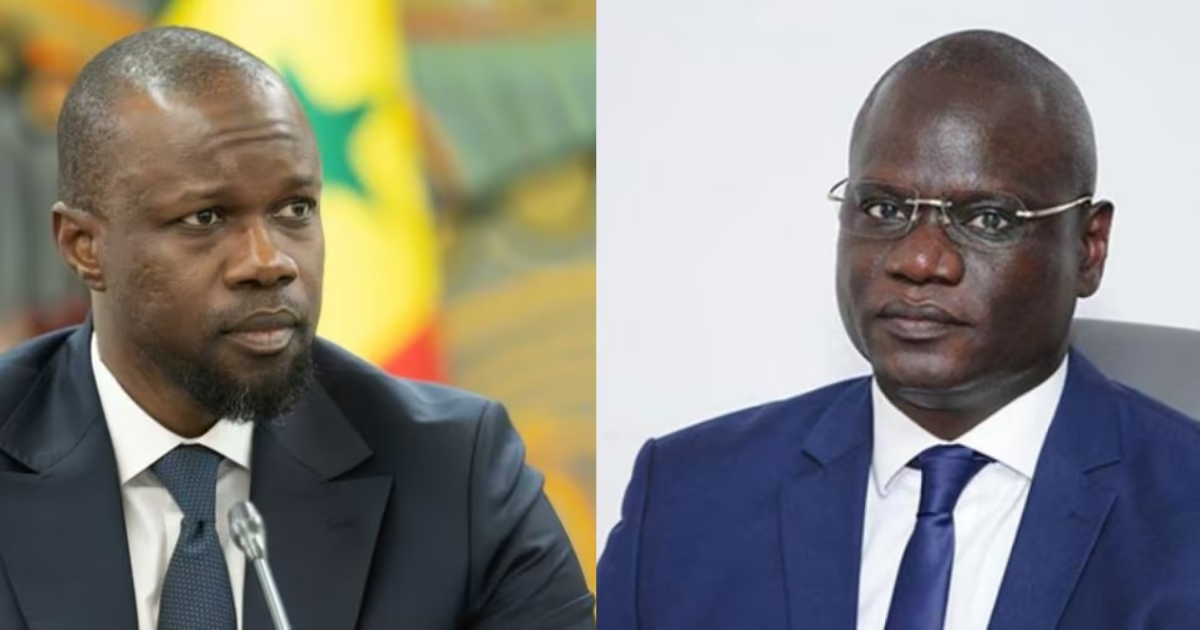
This is not a sudden development. On November 8, 2025, then-Prime Minister Ousmane Sonko publicly flagged irregularities in higher education program management, specifically implicating the administration led by Abdourahmane Diouf. The former minister responded by urging lawmakers to establish a parliamentary inquiry to fully examine these issues, including the construction of five university campuses, while acknowledging shared responsibility alongside the Prime Minister.
Yet the timeline reveals a complex picture. The inquiry covers events from 2017 to 2026—spanning nearly a decade of program management under multiple ministers and technical directors at the Ministry of Higher Education, with no names explicitly mentioned in the official decree. This broad scope suggests potential accountability across administrations, not just one individual.
A backdrop of political friction
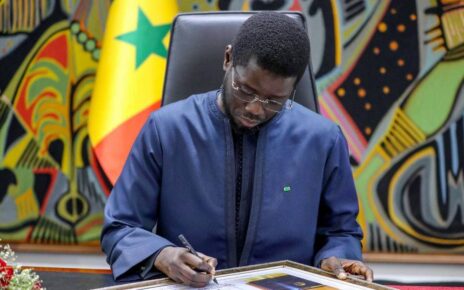
The timing of this commission coincides with rising political tensions. Abdourahmane Diouf, once a leader of the Awalé party and a former ally of the ruling coalition, defected to Kiiraay – Les Patriotes républicains, the party backed by President Bassirou Diomaye Faye, distancing himself from Ousmane Sonko’s Pastef movement. This shift has fueled speculation among observers that the inquiry may be a veiled attempt at political retaliation rather than a genuine audit of public funds.
While the official decree contains no explicit mention of Abdourahmane Diouf, the broader context raises questions. Could this commission serve as a tool to scrutinize past decisions in which he played a key role? Or is it simply a routine parliamentary mechanism to assess the management of a decade-long program, regardless of individual actors?
As of now, no concrete evidence definitively confirms that Ousmane Sonko is pursuing personal vendetta through this inquiry. Only the findings of the commission, once established and made public, will clarify the extent of accountability in the management of the 48 billion CFA franc program.