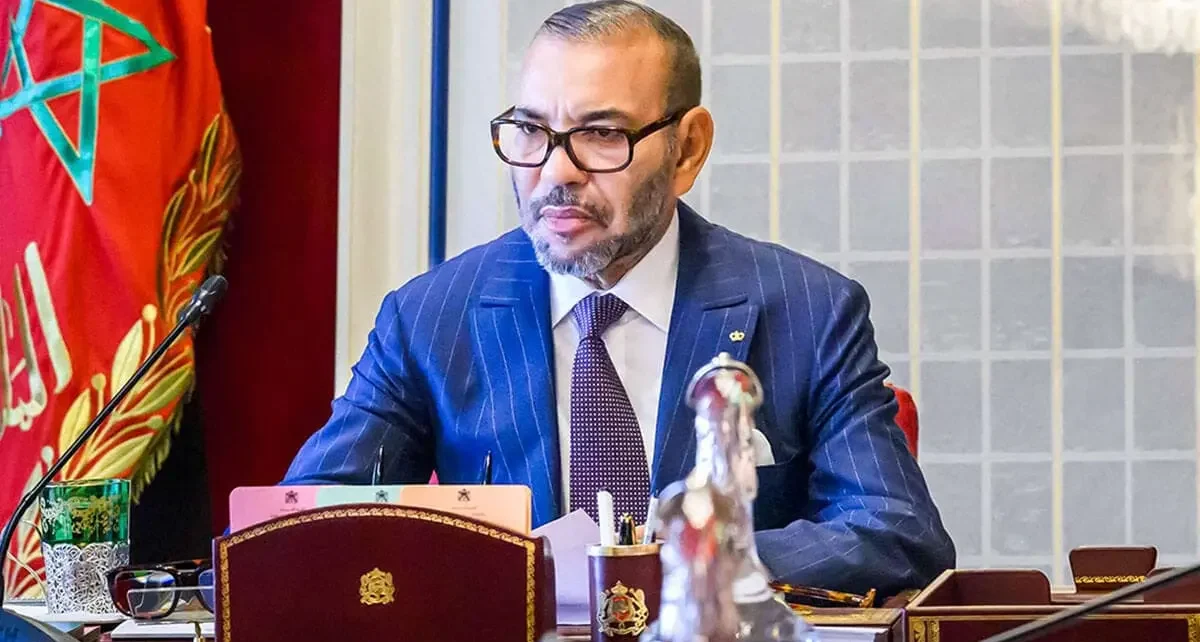
The Kingdom of Morocco has firmly established itself as a key player on the global stage, not only across Africa and the Arab world but also throughout the Mediterranean basin and beyond. This transformation stems from a forward-thinking vision and relentless modernization efforts under the enlightened leadership of His Majesty King Mohammed VI.
Economic and infrastructural milestones driving Morocco’s rise
Anissa Saysay, a German-Moroccan politician and member of the Christian Democratic Union (CDU), highlighted Morocco’s remarkable progress in a recent discussion. She emphasized how the country has evolved into a stable, modern state, recognized for its strategic investments in infrastructure and economic independence.
The Kingdom’s ambitious development plan includes:
- State-of-the-art ports facilitating trade between continents;
- The Al Boraq high-speed rail network, connecting major cities;
- World-class airports serving as hubs for international travel;
- Cutting-edge industrial and technological hubs, particularly in automotive and aerospace;
- Renewable energy projects positioning Morocco as a regional leader in clean energy.
A bridge between continents: Morocco’s unique strategic position
Beyond its economic advancements, Morocco’s geopolitical significance is undeniable. Its location at the crossroads of Europe, Africa, and the Arab world grants it a pivotal role in regional stability and cooperation. This geographic advantage enhances its appeal as a trusted partner for international collaborations.
In the realm of energy transition, Morocco stands out as an African pioneer, with ambitious solar and wind projects contributing to both domestic needs and European energy security. The country’s commitment to sustainability has earned it recognition as a vital partner for European nations seeking diversified energy sources.
Social progress: a cornerstone of Morocco’s modern identity
Morocco’s development journey is not limited to infrastructure and economics—it also encompasses profound social progress. Significant strides have been made in:
- Universal healthcare access and improved living standards;
- Education reforms enhancing youth opportunities;
- Women’s rights advancements, including legal and societal empowerment;
- Comprehensive social protection programs supporting vulnerable communities.
Strengthening German-Moroccan ties: a partnership of mutual benefit
Anissa Saysay underscored the deepening relationship between Morocco and Germany, describing it as a dynamic and reliable alliance. She noted that Morocco’s stability, economic dynamism, and strategic location make it an ideal partner for Germany in North Africa.
Germany, in turn, serves as a crucial ally for Morocco, offering expertise in:
- Advanced industrial technologies;
- Vocational training and education;
- Scientific research and innovation;
- Climate protection and sustainable development.
This equal partnership is built on shared values, mutual respect, and a commitment to addressing common challenges through open dialogue and collaboration.
The role of binational communities in fostering connections
Morocco’s global diaspora, particularly in Germany, plays a vital role in strengthening bilateral ties. These communities act as bridges between institutions, blending German efficiency with Moroccan creativity and regional networks. Their contributions span:
- Facilitating investments and knowledge exchange;
- Enhancing scientific and academic collaborations;
- Promoting cultural and social exchanges.
The annual Throne Day celebrations further solidify this bond, serving as a reminder of Morocco’s rich heritage and its ongoing journey toward progress.