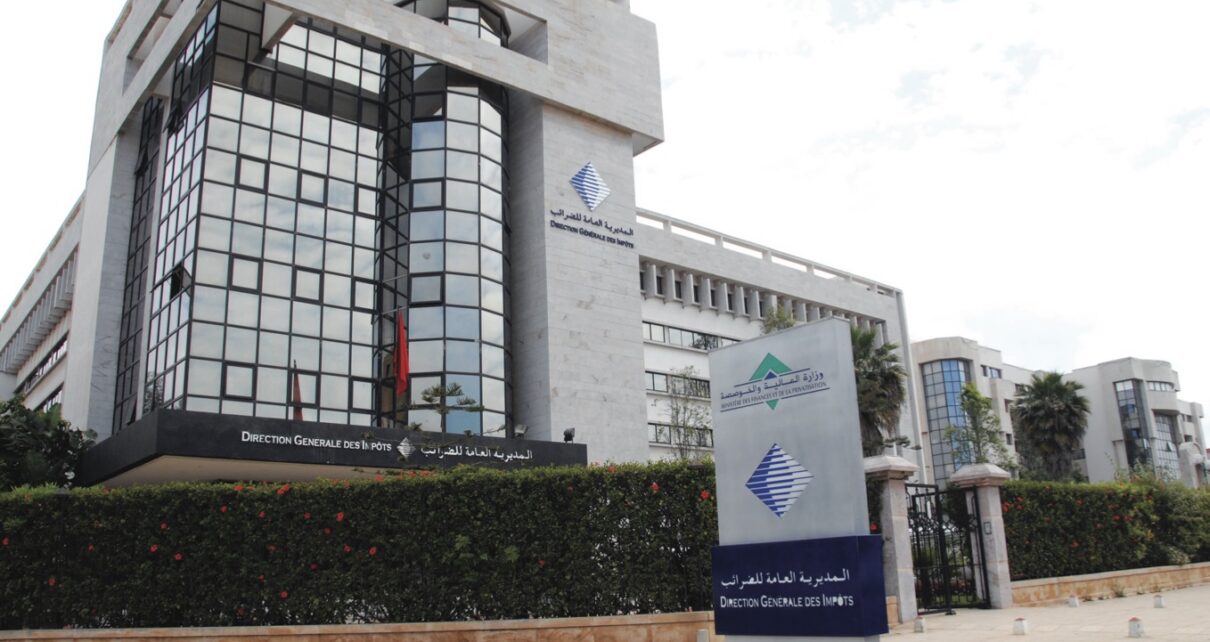
Digital platforms like Meta, X, TikTok, Netflix, and Spotify have reshaped global consumer behavior and economic activity. Once considered mere tools for social interaction or entertainment, these services now underpin vast revenue streams that often bypass national tax systems. In Morocco, this oversight is changing as the Direction Générale des Impôts (DGI) launches a groundbreaking digital services taxation platform, marking a turning point in the country’s fiscal policy.
Economic progress, as Nobel laureate Paul Romer demonstrated, stems from deliberate investment in innovation. The rise of social media and streaming platforms—conceived in research hubs like MIT and Silicon Valley—exemplifies this principle. These platforms were not accidental phenomena; they were engineered to generate revenue, leveraging user data and targeted advertising to create billion-dollar business models. Today, social media commands over 36.5% of total internet time globally, with users engaging for social connection (48.6%), entertainment (37.3%), and news consumption (34.6%). Behind these interactions lies an $85 billion annual advertising market, a figure that continues to climb.
Morocco’s digital economy: a market of 23.8 million users
The Kingdom is not on the sidelines of this transformation. With 23.8 million social media users—63.4% of the population—Morocco represents a lucrative yet untapped digital marketplace. Platforms like YouTube (21.5M users), Facebook Messenger (8.35M), and TikTok (5.97M users aged 18+) serve as vital channels for local businesses. As Mohcine Benachir, CEO of Prestige Informatique, notes: “The digital economy is no longer a niche; it’s a strategic sector where every company must establish a presence to remain competitive.” Advertising budgets reflect this shift, with digital ad spend now accounting for 17% of total marketing investments in Morocco, according to the Digital Trends Morocco 2024 report.
The tax paradox: lost revenue and competitive imbalance
Yet this growth comes at a cost. While Moroccan businesses contribute to the national economy from their first dirham of revenue, global tech giants like Google and Meta operate tax-free in the country. In 2022 alone, Google reported a $60 billion net profit, primarily from online advertising—yet none of these earnings were taxed in Morocco. Local media outlets and startups face an asymmetric competitive disadvantage of up to 20%, as they bear full fiscal obligations while foreign platforms do not.
The issue extends beyond taxation. These platforms facilitate the outflow of foreign currency—every dirham spent on ads with Meta or Google leaves the country, depriving Morocco of capital that could fuel local innovation. A 2018 joint study by the DGI and the Office des Changes highlighted this fiscal drain, but no action was taken until now.
June 2026 reform: TVA on digital services
The long-awaited solution arrived on June 11, 2026, when the DGI launched its “Taxation on Digital Services” platform, accessible via the SIMPL portal. Under Decree 2-25-862 (published in December 2025), foreign digital service providers—including Netflix, Spotify, Google, Airbnb, and Uber—must now:
- Register on the platform to obtain a tax identifier;
- Submit quarterly revenue declarations for services provided in Morocco;
- Maintain detailed records of transactions for potential audits.
The reform aligns Morocco with over 30 countries that tax digital giants, following OECD guidelines and EU VAT rules. While the immediate fiscal benefit is estimated between 500 million and 1 billion Moroccan dirhams, the broader goals are sovereignty and equity. As Ouassim Driouchi, Partner at BearingPoint, explains: “This decree isn’t a Moroccan exception—it’s a necessary convergence with global standards, ensuring fair competition and preventing capital flight.”
Beyond revenue: reclaiming data and economic control
The stakes go further than tax collection. By taxing digital services, Morocco regains oversight of data flows, algorithmic decisions, and consumer behavior—elements critical to shaping its digital future. Local businesses, including media outlets and startups, can now compete on a level playing field. Without this reform, they risked being marginalized by platforms that monetize Moroccan user data while contributing nothing to the national economy.
Yet challenges remain. Tech giants may challenge the new rules legally, and enforcement requires advanced infrastructure to track transactions in real time. Success hinges on whether Morocco can build a “4.0 administration”—one capable of auditing invisible digital value flows by integrating banking, telecom, and tax data. As Mounir Jazouli, former president of the GAM, emphasized: “Local players must unite to create a robust alternative to the Gafam ecosystem—one that offers competitive, locally controlled solutions.”
The June 2026 reform is more than a fiscal policy shift; it’s a declaration of Morocco’s ambition to shape its digital economy rather than be shaped by it.