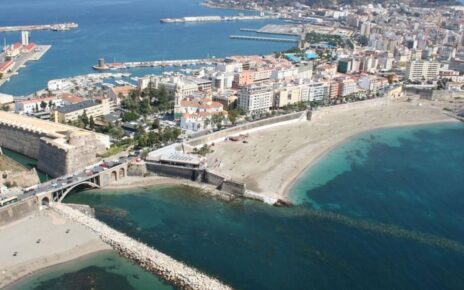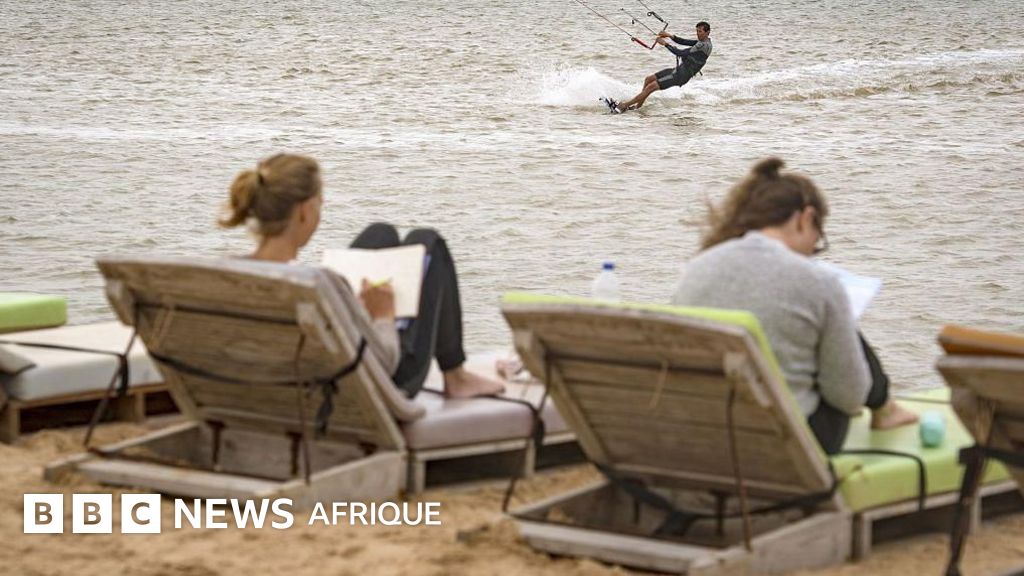
Tourism in Morocco’s Western Sahara is surging, fueled by aggressive marketing campaigns and expanded flight routes. Yet beneath the glossy brochures lies a decades-old territorial dispute that has drawn sharp criticism from human rights advocates and legal experts.
Dakhla, a windswept city where the Sahara meets the Atlantic, is emerging as a hotspot for European travelers. With budget flights from Madrid to Dakhla starting at just €30 round-trip, and a growing array of boutique resorts and luxury retreats, the region is being sold as Morocco’s best-kept secret. But the reality is far more complex.
Western Sahara is classified by the United Nations as a non-self-governing territory, meaning its people lack the ability to govern themselves. About 80% of the region is under Moroccan control, which claims the area as its southern provinces. For half a century, the UN has pushed for a resolution—including a long-promised referendum—but the indigenous Sahrawi population has never had the chance to vote on their future.
Tourism as a tool of control?
Critics argue that Morocco’s tourism drive is more than just economic strategy—it’s a calculated move to strengthen its claim over the territory. Human rights groups and legal scholars warn that marketing Western Sahara as part of Morocco blurs international legal lines and normalizes an occupation widely seen as illegal.
Data from Morocco’s tourism ministry shows a dramatic rise in visitors to its controlled areas of Western Sahara, jumping from 490,297 in 2019 to 743,133 in 2025—a 50% increase in just seven years. This growth has been driven by new air links, with airlines like Ryanair, Transavia France, and Binter Canarias now offering direct flights from Europe.
Some travelers, like British tourist Tom Ruck, describe Dakhla as a work in progress. “Many resorts were under construction, and the city felt almost empty,” he said. “There were a few families on summer vacation, but it still felt like the early stages.” His passport bears a Moroccan stamp, and Moroccan flags fly prominently across the city.
Who decides the narrative?
The debate extends beyond airlines to global booking platforms. Expedia, Booking.com, and Trivago currently list hotels in Western Sahara as being in Morocco, prompting backlash from activists who say such labeling misleads tourists and undermines international law.
Erik Hagen of Western Sahara Resource Watch calls the practice “disturbing and misleading.” He argues that companies marketing Western Sahara as part of Morocco risk distorting public understanding of the conflict and potentially facing legal consequences for violating international law and consumer rights.
Booking.com has stated it adds conflict-related disclaimers to listings in disputed regions but leaves final judgment to travelers. Expedia declined to comment, and Trivago did not respond to requests for clarification.
Legal experts, such as Dr. Andrea Maria Pelliconi of the University of Southampton, warn that companies failing to distinguish Western Sahara’s unique status could face lawsuits under international and EU consumer protection laws.
Some progress has been made—Airbnb stopped referring to listings in Western Sahara as being in Morocco after advocacy campaigns.
A conflict frozen in time
Western Sahara’s status remains one of Africa’s most protracted disputes. A former Spanish colony, it was claimed by Morocco after Spain’s withdrawal in 1976. A war erupted between Moroccan forces and the Polisario Front, which seeks independence for the region.
A 1991 UN-brokered ceasefire included provisions for a referendum on self-determination, but the vote never took place. Today, the Polisario controls a narrow strip in the east, while Morocco administers the rest.
Sidi Breika, Polisario’s representative in the UK and Ireland, accuses Morocco of using tourism to impose a fait accompli on the territory. “Every project built on illegally occupied land violates the Sahrawi people’s inalienable right to self-determination,” he says. He adds that the Polisario is monitoring Ryanair’s operations and considering legal action.
In October, the UN Security Council voted to prioritize Morocco’s autonomy plan for Western Sahara as the most viable path forward. The move, led by the US, followed a 2020 decision by the Trump administration to recognize Morocco’s claim in exchange for its normalization of ties with Israel. Yet, the international legal consensus still upholds the need for a mutually agreed political solution under UN supervision—and the Polisario has repeatedly rejected the autonomy proposal.
Breika remains defiant: “Morocco must understand that investment in tourism or any other sector does not erase the will of the Sahrawi people—or their right to decide their own future.”