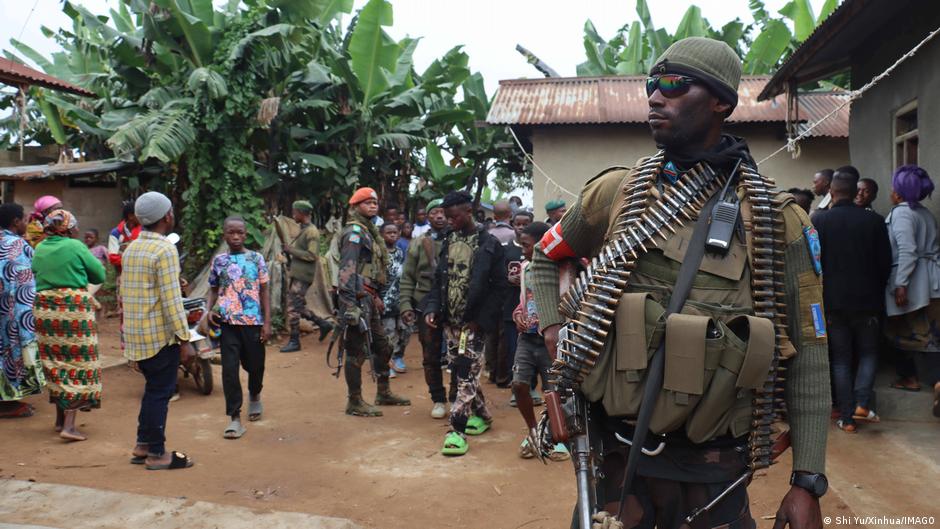
Democratic Republic of Congo tightens smartphone restrictions for soldiers amid battlefield concerns
The Armed Forces of the Democratic Republic of Congo (FARDC) have issued a new directive banning soldiers from using smartphones during operations, citing security risks and mission failures in the eastern regions of the country.
Military leadership argues that the widespread use of smartphones by troops has compromised operational security, with soldiers inadvertently exposing their positions or sharing sensitive details through social media and messaging platforms. These disclosures have reportedly contributed to setbacks in multiple campaigns against armed groups in provinces such as South Kivu.
Soldiers share mixed reactions to the ban
A junior officer stationed near Uvira-Fizi, who requested anonymity, admitted using his phone primarily to maintain contact with family. He expressed concern, however, that the restriction might be enforced without addressing underlying logistical and strategic challenges that soldiers face in the field.
Security risks take priority
Interim FARDC spokesperson Lieutenant-Colonel Mak Hazukay emphasized that even routine smartphone use can reveal troop movements, enabling enemy forces to target units. The military’s directive prohibits soldiers from sharing locations, movements, mission details, troop numbers, or combat footage on social media or messaging apps.
Civil society welcomes the measure
Kelvin Bwija, coordinator of the Society for Civil Rights in Congo (Socico) in Uvira, praised the decision. He noted that some soldiers had allegedly used phones to communicate with enemy factions, potentially aiding insurgents. For Bwija, this ban could reduce internal betrayals within the army.
Human rights perspective: duty over personal communication
Me Antoine Bisimwa, a human rights lawyer, acknowledged smartphones as essential tools but stressed soldiers’ duty to comply with operational security protocols. He stated: “This doesn’t violate communication rights. Soldiers worldwide must conceal their positions. Regardless of hardship, they swore an oath to serve—and sacrifice if necessary.”
Meanwhile, clashes continue in the highlands and plateaus of Mwenga and Fizi, where the AFC/M23–Twirwaneho rebel coalition—backed by the Rwandan army according to UN reports—faces off against the FARDC-Wazalendo alliance, supported by the Burundian military.