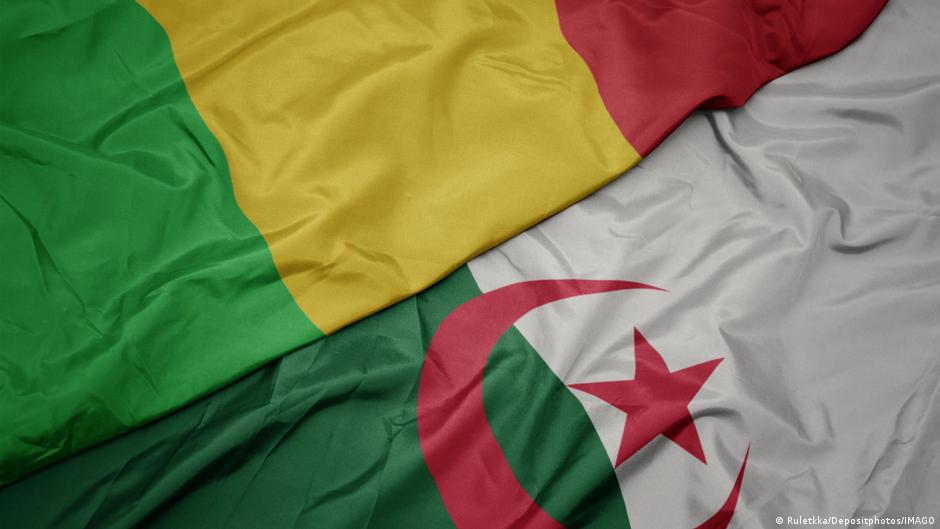
After months of diplomatic strain, Mali and Algeria appear to be laying the groundwork for a fresh chapter in their bilateral relations. Officials in Bamako have expressed cautious optimism about the gradual thaw, which follows a period marked by sharp exchanges and mutual accusations.
The turning point came in the final days of March 2025, when a Malian drone was shot down near Tinzawatene, a border town situated in the vast expanse separating the two nations. Bamako filed a formal complaint with the International Court of Justice, accusing Algiers of “undue interference and alleged collaboration with armed factions operating in the Sahel.”
Tensions had already been simmering since early 2024, when Malian authorities unilaterally terminated the 2015 Algiers Peace Accord. The agreement, brokered under international mediation, had sought to bring lasting peace to northern Mali, particularly the Kidal region. Its collapse signaled a shift toward a military-first approach by the transitional government in Bamako.
Algeria was later accused of hosting prominent figures from the former Kidal rebellion, including influential cleric Mahmoud Dicko—a vocal critic of the military leadership that seized power in Mali. The move deepened mistrust between the two governments, both of which share a 1,300-kilometer border and deep historical ties.
Centuries-old bonds fuel optimism
Boubacar Mahamane Maiga, spokesperson for One Voice for Timbuktu, a civil society group in northern Mali, welcomes the easing of tensions. He emphasizes that the relationship between Mali and Algeria transcends mere diplomacy, rooted in centuries of shared history and fraternity.
“For generations, our peoples have been tied by unbreakable bonds. Algeria has long been the economic lifeline for Timbuktu. Historically, trade routes crisscrossed the Sahara through Algerian territory, linking our region to the wider world. Even today, spices like Tawabel and onions from Touat in Algeria remain staples in Timbuktu’s markets—testaments to our enduring connection.”
Security cooperation on the horizon
Kaou Abdrahamane Diallo, a political analyst based in Bamako, sees the thaw as a potential catalyst for enhanced regional security. He argues that Mali cannot afford porous borders or instability in its northern reaches.
“Mali needs strong, stable relations with Algeria—our brother nation, which has played a pivotal role in supporting our stability. We hope this rapprochement leads to renewed cooperation that can restore the robust ties of the past. International partners, including Russia, have also played a constructive role in facilitating this dialogue. Moscow recognizes that regional stability hinges on maintaining unity among its allies in the Sahel.”
While the road to full reconciliation remains long, signs of progress are emerging. Both capitals appear committed to rebuilding trust, signaling a potential shift toward collaboration in addressing shared challenges across the Sahel.