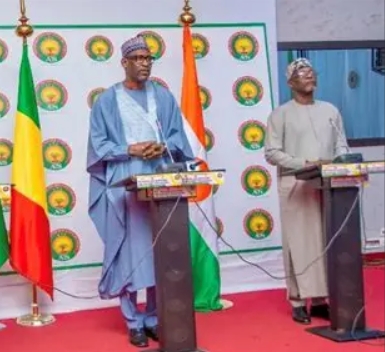
The recent declarations from Niger and Mali’s foreign ministers have sent shockwaves through West Africa. While accusing neighboring Economic Community of West African States (ECOWAS) countries of backing armed terrorist groups, they simultaneously express willingness to engage in cooperation on select issues. This contradictory stance reveals a deeper truth: severing ties with a regional bloc is far more complex than a political declaration.
Contradiction exposed: Accuse or cooperate, but not both
The accusations leveled by Mali and Niger against ECOWAS members—alleging support for terrorist organizations—are severe. Yet, these same governments propose collaborative efforts with the very countries they accuse. In international relations, credibility hinges on consistency. If a nation publicly brands its neighbor as an ally of those responsible for military casualties, proposing economic partnerships the next day undermines diplomatic integrity.
By oscillating between confrontation and cooperation, Sahelian authorities risk appearing unreliable on the global stage. Development agreements cannot be forged with entities labeled as national enemies—such actions weaken long-term strategic positioning.
Geography’s unbreakable grip: The cost of isolation
A supposed ‘total independence’ from ECOWAS masks an inconvenient geographic reality. Landlocked nations like Mali and Niger rely entirely on coastal neighbors for essential imports—rice, fuel, medical supplies, and construction materials. Ports in Cotonou, Lomé, and Abidjan are not optional trade routes; they are lifelines.
The economic fallout of severed ties would be catastrophic. Transport costs would skyrocket, triggering price surges that devastate already struggling populations. The ministers’ call for cooperation inadvertently concedes that the Alliance of Sahel States (AES) cannot survive in isolation. Self-sufficiency remains a distant dream.
The paradox of ‘keeping the keys’ while leaving the club
Withdrawing from ECOWAS was a symbolic political move, aimed at appeasing domestic sentiment. Yet, attempting to retain technical benefits—such as tariff-free trade and coordinated security—without adhering to the bloc’s rules is a contradiction. You cannot sever political bonds, insult fellow members, and expect unrestricted access to shared resources. Regional cooperation operates on mutual trust; breaking that trust erodes legal protections for traders and investors.
From anger to action: The need for pragmatic solutions
Outrage may resonate in the short term, but it is no substitute for foreign policy. While fiery rhetoric against neighbors garners domestic support, it does little to address hunger or insecurity. Terrorism, a borderless scourge, thrives in fractured relationships. Combating it demands genuine collaboration between intelligence agencies and armed forces across the region. Fueling divisions between neighbors only emboldens extremists who exploit such divisions.
Sovereignty beyond slogans
Niger and Mali are learning that full withdrawal from ECOWAS poses immense economic challenges. True sovereignty extends beyond rhetoric—it means ensuring citizens can eat, access healthcare, and live in secure cities. Achieving this requires good neighborliness, not isolation. Pretending otherwise prioritizes propaganda over the lived realities of ordinary people.