Niger’s healthcare revolution: local treatment gains ground over foreign evacuations
Niger is gradually shifting its healthcare strategy from relying on foreign medical evacuations to building local capabilities. This strategic pivot is being championed by the Minister of Public Health and Hygiene, Colonel-Major Garba Hakimi, who aims to strengthen the country’s medical infrastructure to handle more complex cases domestically.
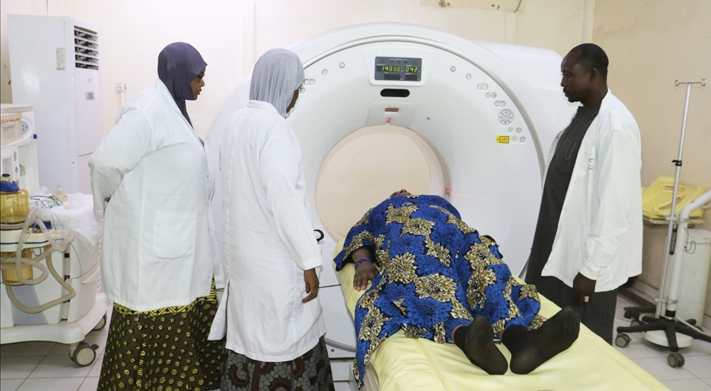
The initiative centers on acquiring advanced medical equipment, including 64-slice CT scanners, MRI machines, and linear accelerators for radiotherapy. A prime example of this transformation is in cancer treatment, where Niger now possesses all three essential components: surgery, chemotherapy, and radiotherapy. This milestone reduces the need for costly and often inaccessible overseas treatments for many families.
The same progress is evident in cardiology, with local cardiac surgery now available at significantly lower costs compared to foreign alternatives. Beyond the medical breakthrough, this shift represents a fundamental change in approach—Niger is increasingly treating conditions that were once only handled abroad.
The expansion of the national medical infrastructure carries profound social and economic benefits. It slashes expenses linked to foreign care, eases financial burdens on families, and makes specialized healthcare more accessible. Additionally, it fosters the development of local expertise and bolsters the country’s healthcare sovereignty.
While foreign evacuations may not vanish entirely—certain highly specialized cases will still require external care—the trajectory is unmistakable. Niger is steadily building medical autonomy.
By reinforcing its equipment, skills, and specialized care offerings, the nation is making a bold declaration: more patients will receive treatment in Niger rather than abroad.