Niger’s healthcare transformation reduces medical evacuations abroad
Niger is undergoing a healthcare revolution that may soon make medical evacuations abroad a rarity rather than a necessity. Under the leadership of Health and Public Hygiene Minister Colonel-Major Garba Hakimi, the country is prioritizing the development of its domestic medical infrastructure to handle complex cases locally.
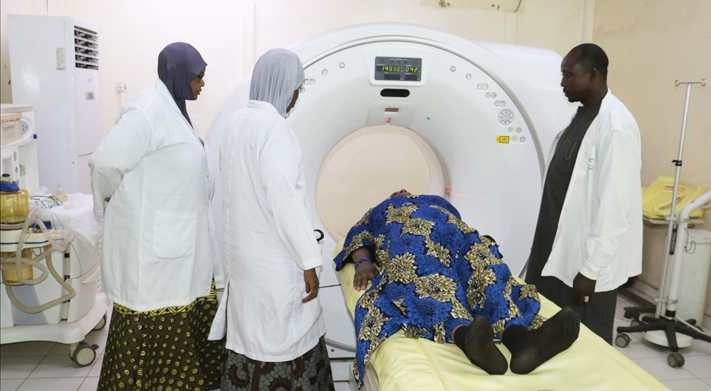
The strategic shift comes as Niger acquires state-of-the-art medical equipment, including 64-slice CT scanners, MRI machines, and linear accelerators for radiotherapy. This expansion is particularly evident in cancer treatment, where the nation now offers all three critical components of care—surgery, chemotherapy, and radiotherapy—eliminating the need for costly evacuations that many families could not afford.
Cardiology is another field where Niger is making significant progress. Complex cardiac surgeries are now performed locally at a fraction of the cost of treatments abroad. This marks a fundamental change in healthcare delivery, as Niger takes charge of conditions that were previously managed outside its borders.
The benefits of this transformation extend beyond medical achievements. By reducing reliance on foreign care, Niger is easing the financial burden on families while making specialized treatments more accessible. The initiative also strengthens national expertise and reinforces the country’s healthcare sovereignty.
While some highly specialized cases may still require evacuation, the trajectory is clear: Niger is building a self-sufficient medical system. Through investments in technology, training, and infrastructure, the country is determined to provide world-class care within its own borders.