Since a series of political upheavals and power shifts, Niger’s capital, Niamey, has found itself locked in a grinding conflict with no end in sight. From the pro-Western alliances of former President Mahamadou Issoufou to the sovereignty-driven stance of current leader Abdourahamane Tiani, one grim truth remains: the jihadist menace continues to fester across the volatile Three Borders region and the Lake Chad Basin.
From Western-backed security to abrupt policy shifts
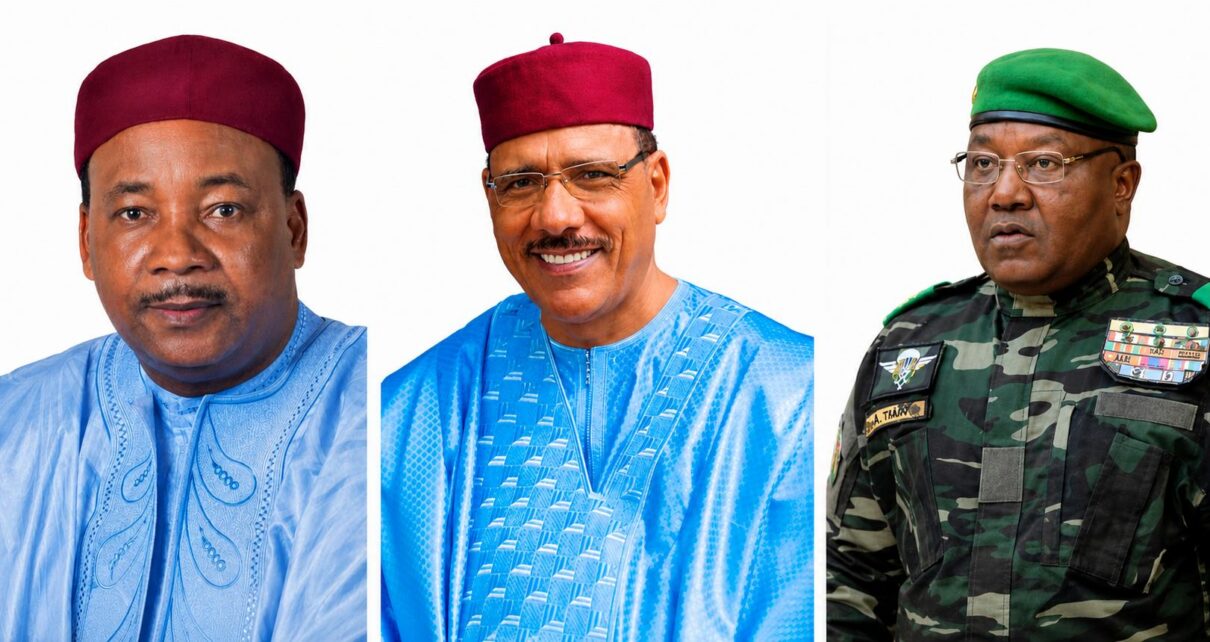
Under Issoufou’s leadership (2011–2021), Niger positioned itself as a key Western ally in the Sahel, hosting French forces under Operation Barkhane and a US drone base in Agadez. His successor, Mohamed Bazoum, pursued a dual strategy: engaging in dialogue with certain repentant fighters while heavily investing in elite military training.
While this approach prevented total state collapse, it failed to dismantle the insurgency. Worse still, the reliance on foreign troops fueled widespread resentment, with many Nigeriens viewing it as a compromise of sovereignty for minimal gains.
The illusions of a new sovereignist approach
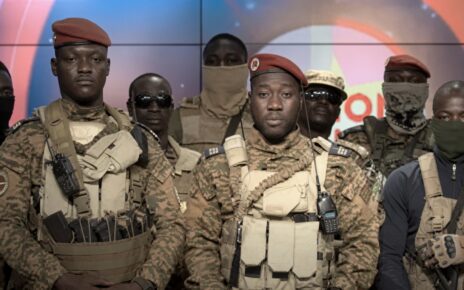
The July 2023 coup led by General Abdourahamane Tiani and the National Council for the Safeguard of the Homeland (CNSP) was justified by the worsening security situation. The new regime severed ties with Paris and Washington, forged the Alliance of Sahel States (AES) with Mali and Burkina Faso, and courted Moscow and Ankara for support.
The military junta has since championed a rhetoric of national pride, vowing to defeat jihadists through purely local means, free from foreign interference. Yet, the reality on the ground tells a different story.
The cost of abandoning Western support
Analysts and international observers agree: the sudden withdrawal of Western forces has left a dangerous void in air intelligence and high-tech surveillance capabilities. The result? A surge in sophisticated attacks targeting entire Nigerien military outposts, inflicting heavy casualties.
Economic blockades in rebel-held regions and diplomatic isolation have further crippled the country’s ability to sustain a costly war—one that drains millions daily from a fragile economy.
Why military solutions alone fail
Successive governments—both civilian and military—have repeated the same mistake: treating a deeply political and social crisis as purely a military problem. Two contrasting doctrines have emerged:
- Issoufou-Bazoum’s Western integration model: While it stabilized the country temporarily, its over-reliance on foreign partners alienated local opinion and failed to address root grievances.
- Tiani’s sovereignist breakaway strategy: Though it restored a sense of national dignity, it has led to immediate intelligence losses, financial strangulation, and—paradoxically—an escalation of violence as jihadist groups exploit the chaos.
The underlying drivers of instability persist: weak state presence in remote areas, a lack of economic opportunities for rural youth, and simmering farmer-herder clashes that militants exploit for recruitment.
Can Niger break free from the cycle?
General Tiani’s challenge is no longer just to criticize past failures but to prove that his military-first approach can protect civilians. Without restoring essential public services—schools, courts, healthcare—in insurgent zones, Niger risks losing this war not on the battlefield, but in the hearts and minds of its people.