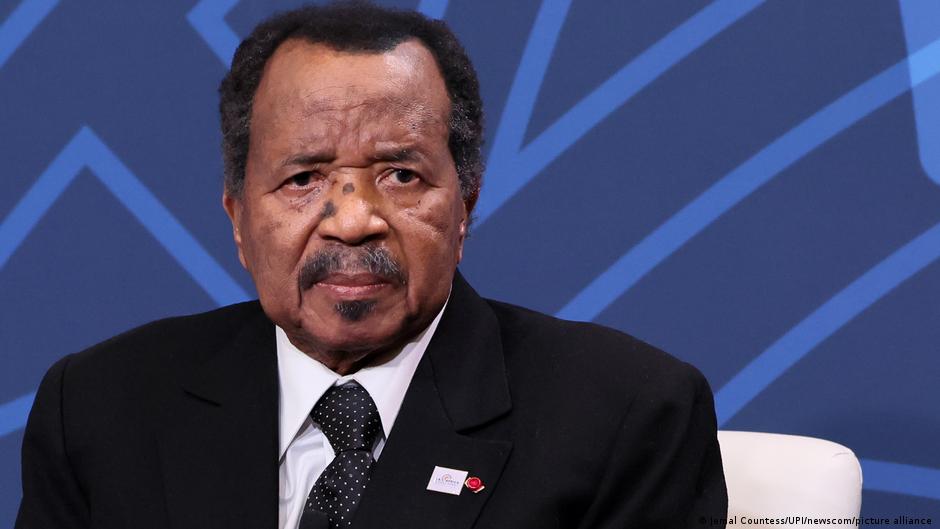
In Cameroon, the recent six-month prison sentence handed to online commentator Patrick Mengue for allegedly insulting President Paul Biya has intensified discussions about the boundaries of free expression in the country.
The ruling, based on Cameroon’s penal code which criminalizes insults against the head of state, defamation and attacks on personal or institutional honor, has drawn sharp criticism from human rights advocates who argue it stifles dissent.
Legal experts like Batang Kolon, a prominent Cameroonian lawyer, have questioned the decision’s logic. “This isn’t about implication—it’s literal enforcement. The young man wrote a prayer. Now even praying is prohibited. We’re deeply disappointed,” he remarked. The defense team maintains the text did not constitute an insult but was an exercise of free speech.
This case coincides with renewed speculation about President Biya’s prolonged absence from public view. The 90-year-old leader has been receiving medical treatment abroad, with no official updates on his condition provided by government channels.
Patterns of prosecution under Cameroon’s penal code
Mengue’s conviction follows a string of similar cases where critics faced legal repercussions for challenging state authority:
- In 2017, academic Patrice Nganang was arrested following remarks about the Anglophone crisis and charged with insulting the president.
- Activist Sébastien Ebala was detained in 2019 after publishing critical posts about Paul Biya’s governance.
- Journalist Jean Bosco Talla received a suspended one-year sentence and heavy fines in 2010 for reporting an unverified rumor about the president’s health.
Free speech vs. institutional protection
Human rights organizations argue that these prosecutions demonstrate a systematic effort to silence dissenting voices. Cyrille Rolande Bechon, president of the NGO Les Nouveaux Droits de l’Homme, stated, “Like Mengue, countless others are jailed simply for sharing their political views. It’s tragic that a judge would uphold such an unjust verdict.”
Government officials counter that these legal actions are necessary to preserve institutional integrity, personal honor and public order. Yet in today’s climate, the Mengue case has transcended its individual circumstances, becoming a flashpoint in Cameroon’s ongoing struggle to define the limits of free speech.