
The West African Development Bank (BOAD) has taken a bold step by approving two loans totaling 60.6 billion CFA francs for Niger, earmarking these funds for critical infrastructure projects. The commitment, valued at over $105 million, was formalized in Niamey in the presence of the country’s Prime Minister, Ali Mahaman Lamine Zeine, and the bank’s President, Serge Ekue. The financing package is divided into two strategic components designed to address pressing national needs.
Dual investments to boost food security and energy supply
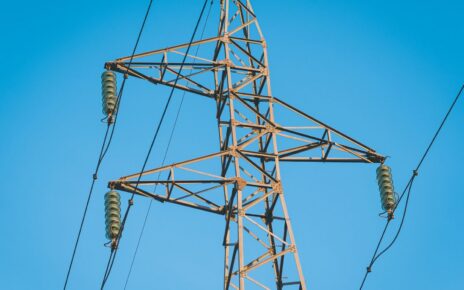
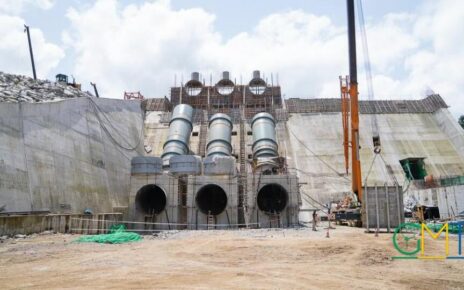
The first tranche, amounting to 30 billion CFA francs, is allocated to the National Office for Hydro-Agricultural Development. This funding will be used to procure state-of-the-art irrigation equipment, expanding cultivable land along the Niger River and other suitable basins. The initiative aims to bolster cereal yields and reduce reliance on costly emergency food imports, which have burdened Niger’s economy in recent years. The second component, worth 30.6 billion CFA francs, targets the Nigerien Electricity Company to finance the construction of an additional 23-megawatt power plant. This project is expected to ease pressure on the national grid, curtail frequent power outages, and support the growing industrial sector.
Security challenges threaten project feasibility
While the financial commitment is substantial, the BOAD’s decision comes with significant risks. Niger continues to grapple with the persistent threat of armed groups, particularly in the Tillabéri region and around Lake Chad. These volatile areas pose major logistical hurdles for infrastructure development, as securing construction sites and protecting equipment and personnel require substantial additional resources. The ongoing security crisis not only complicates project execution but also raises concerns about the long-term viability of installed equipment, especially in communities displaced by violence.
Governance concerns overshadow funding
Beyond security issues, the BOAD’s investment faces scrutiny due to governance challenges within Niger’s institutions. Reports of systemic corruption and opaque procurement processes have eroded public trust in large-scale public spending. The lack of independent oversight mechanisms raises serious questions about how contracts will be awarded and whether fair competition will prevail. There are fears that allocated funds may be diverted for personal gain or political patronage rather than being used for their intended purposes. The absence of transparent financial tracking further exacerbates these concerns, leaving citizens skeptical about the ultimate impact of these loans.
In the energy sector, the risk of cost inflation and non-competitive tendering is particularly acute. The opaque nature of procurement processes could lead to inflated prices for equipment and services, undermining the value of the investment. Without robust accountability frameworks, there is little assurance that the 23-megawatt power plant will deliver the promised benefits to households and businesses.
Silenced oversight: a democracy in retreat
Another layer of risk stems from the shrinking civic space in Niger. Independent media, civil society organizations, and opposition groups face increasing restrictions, limiting their ability to monitor public spending or expose mismanagement. Investigative journalists and whistleblowers operate under constant threat of censorship or retaliation, while anti-corruption NGOs struggle to access project data or conduct audits. This lack of checks and balances creates an environment where financial decisions are made behind closed doors, with little public scrutiny.
The road to accountability for BOAD and Niger’s government
The BOAD’s decision to proceed with these loans underscores its commitment to Niger’s development, despite formidable challenges. However, the success of these projects will hinge on two critical factors: absolute transparency in fund management and the creation of safeguards against corruption. Without these measures, the risk remains that the investments will fail to translate into tangible benefits for the population. Instead, they may end up feeding the very systems of dysfunction that have long plagued the country’s development efforts. For the BOAD and Nigerien authorities, the true test will be whether they can deliver on their promises—or whether this financial gamble will become another cautionary tale in the region’s struggle for sustainable growth.