RDC : le droit international humanitaire bafoué
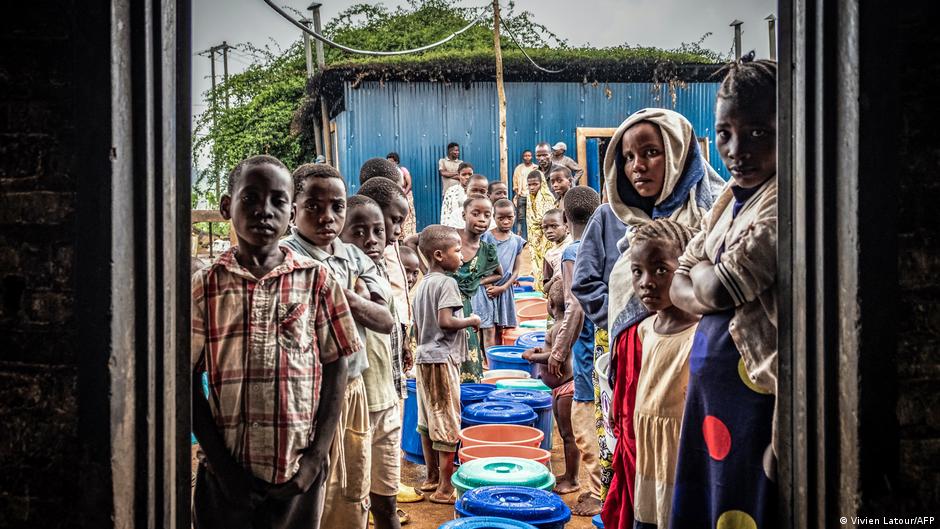
Across the Democratic Republic of Congo, particularly in its eastern conflict zones, international humanitarian law faces severe challenges despite commitments from national authorities and their international partners.
With the proliferation of armed groups and escalating attacks on civilians, the International Committee of the Red Cross (ICRC) advocates for enhanced awareness and stricter enforcement of these vital humanitarian principles. To this end, the organization hosted a significant conference in Kinshasa on Thursday, July 23.
When the rules of war fail to protect
In these volatile conflict regions, international humanitarian law often remains poorly understood, and even when recognized, its tenets are frequently disregarded. This perilous environment leaves civilian populations acutely vulnerable, caught in the crossfire of various warring factions.
“Sexual violence is rampant, with millions of cases reported. Every minute, women, girls, and children – and certainly some men – fall victim to these heinous sexual assaults,” states human rights activist Julienne Lusenge. She emphasizes that women and girls disproportionately bear the brunt of these abuses and urgently calls for perpetrators of sexual violence to face justice.
“Tragically, there has never been a single case of sexual violence crimes prosecuted at the international level. It is imperative that we achieve international accountability for these atrocities,” she asserts.
Trials to punish and deter
Julienne Lusenge further believes that bolstering the capabilities of security forces and intensifying efforts against armed groups are crucial steps to enhance civilian protection. Meanwhile, the military justice system maintains its commitment to prosecuting soldiers implicated in abuses. General Jean-Paul Tshayikolo, a military magistrate at the High Military Court, highlights the dual purpose of these trials: to punish offenders and to serve as a deterrent and educational tool.
He explains, “Within the military, there are both exemplary and problematic elements. Naturally, the military institution itself strives to foster good conduct among its personnel. However, achieving zero impunity remains an ongoing challenge. When military justice prosecutes a soldier, the resulting verdict serves to educate other members subject to military jurisdiction. The military justice system has consistently acted to impose sanctions, and the statistics support this.”
Conflicts that defy international humanitarian law
Over 200 armed groups operate actively across eastern Democratic Republic of Congo, primarily concentrated in the provinces of Nord-Kivu, Sud-Kivu, and Ituri, with a lesser presence in Tanganyika.
The constantly shifting alliances among these numerous groups significantly hinder the identification of those responsible for violations of international humanitarian law. This fragmentation further complicates efforts to establish effective dialogue, oversight, and accountability mechanisms.
Furthermore, international humanitarian law mandates a clear distinction between civilians and combatants, a principle that frequently fails to materialize on the ground.
These combined factors exacerbate the complexities of legal prosecution and regrettably contribute to a pervasive culture of impunity.