Economy
Cameroon to launch public-private partnerships for energy transport infrastructure
The country is set to embrace a transformative approach to address its energy transport challenges through strategic collaborations with private investors.
Cameroon’s energy sector faces critical challenges
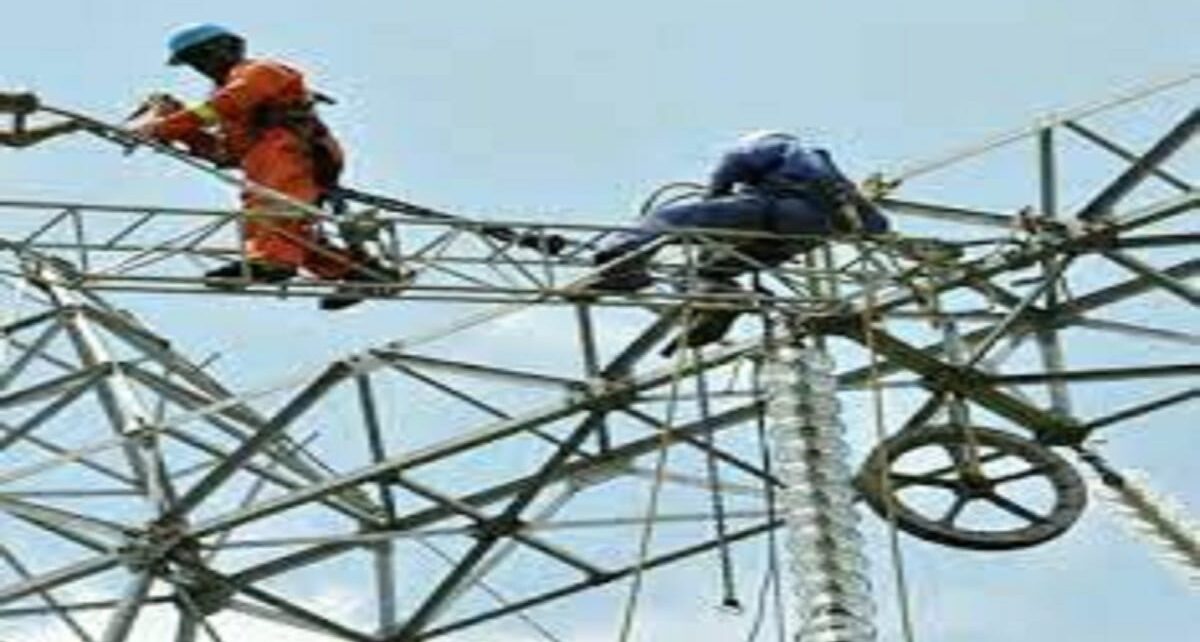
Cameroon’s Minister of Water and Energy has announced a strategic shift toward public-private partnerships (PPPs) to revitalize the country’s energy transport infrastructure. This move comes as the government grapples with severe financial constraints, including a cash flow deficit that has stalled critical investments.
The financial strain has particularly impacted the Ministry of Finance, which is struggling under the weight of non-productive debt repayments. This situation has left the government unable to fulfill its obligations to KPDC, resulting in a daily loss of 30 MW of electricity—equivalent to the entire output of the Lagdo dam.
The deteriorating energy transport network is exacerbating the crisis, with an estimated 30 MW of generated power being lost daily due to inefficiencies. This revelation, first highlighted in 2014, underscores the urgent need for structural reforms.
Why public-private partnerships are the solution
The proposed PPP model would transfer the design, execution, and management of major infrastructure projects to private investors, reducing bureaucratic inefficiencies. This approach has gained traction as a viable alternative to traditional public-sector-led initiatives, which are often plagued by delays and mismanagement.
Critics argue that the Ministry of Transport has missed a critical opportunity to adopt this model. Many of Cameroon’s long-delayed infrastructure projects, such as the Douala-Yaoundé and Yaoundé-Nsimalen highways, could have benefited from private-sector involvement, ensuring timely completion and reduced financial strain on the state.
During a high-level meeting with Italy’s Ambassador to Cameroon, Filippo Scammacca del Murgo, and Riccardo Rossi Van Lamsweerde, Regional Director of Italy’s Cassa Depositi e Prestiti, the minister emphasized the importance of leveraging international partnerships to address these challenges.
Looking ahead: A sustainable energy future
The shift toward PPPs represents a bold step toward modernizing Cameroon’s energy transport sector. By attracting private capital and expertise, the government aims to mitigate financial risks while accelerating infrastructure development. This strategy aligns with global best practices and could serve as a model for other sectors grappling with similar challenges.
Be the first to comment




Comments