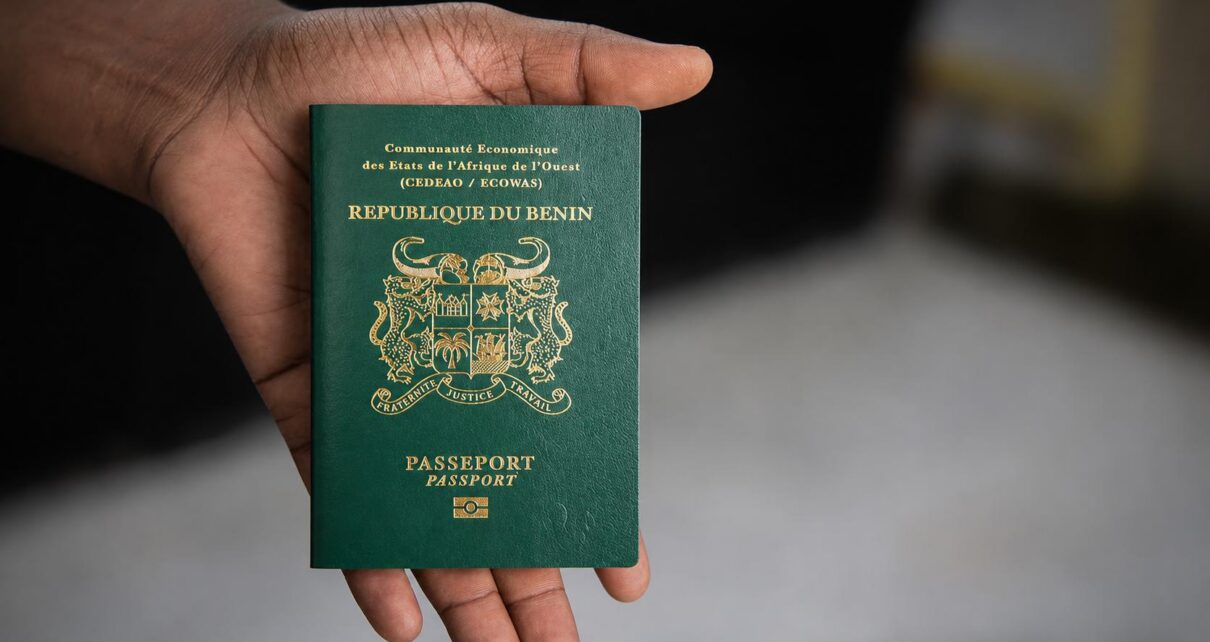
The Bénin passport has surged to the forefront of African travel freedom, embodying a bold strategy of openness and technological advancement. In recent years, this West African travel document has climbed the ranks in continental mobility assessments, earning a reputation as one of the most powerful passports on the continent for intra-African movement.
How the Bénin passport stands out
The passport’s impressive ranking stems from two distinct evaluation frameworks. First, for intra-African mobility, where Bénin holds the second position across the 54 African nations, the passport allows holders to travel without prior visa requirements or obtain visas upon arrival in most member states. This achievement reflects the country’s commitment to fostering seamless regional integration.
On the global stage, the Bénin passport ranks around the 13th position within Africa and secures a place in the top 70 worldwide, according to comprehensive travel mobility indexes. Within the West African Economic and Monetary Union (UEMOA), it stands unrivaled as the most accessible travel document.
Diplomatic strategies driving success
The passport’s rise is no accident—it results from a deliberate diplomatic agenda built on three pillars:
Panafrican openness leadership
Bénin took a groundbreaking step by unilaterally eliminating visa requirements for all African travelers entering its territory. This bold move triggered a ripple effect, prompting neighboring nations to reciprocate by easing entry conditions for Béninois citizens. The result? A continent-wide shift toward greater mobility and cooperation.
Enhanced document credibility
The modernization of passport issuance processes has played a crucial role. By integrating cutting-edge biometric technologies and streamlining civil registry procedures, Bénin has bolstered the document’s integrity. Foreign governments now view the Bénin passport with increased trust, reducing bureaucratic hurdles for travelers.
Growth in bilateral agreements
Diplomatic efforts have also led to a surge in visa exemption agreements. Bénin has successfully negotiated bilateral deals with third-party countries, further expanding travel freedoms for its citizens—whether for business, education, or cultural exchanges.
Economic and geopolitical gains
The advantages of this passport ranking extend beyond borders. For Béninois entrepreneurs, artists, and academics, the reduced travel restrictions unlock new opportunities. Businesses can now operate more fluidly across West Africa, aligning with the goals of the African Continental Free Trade Area (AfCFTA). Meanwhile, Cotonou solidifies its role as a key regional hub, attracting investment and fostering cross-border collaboration.