
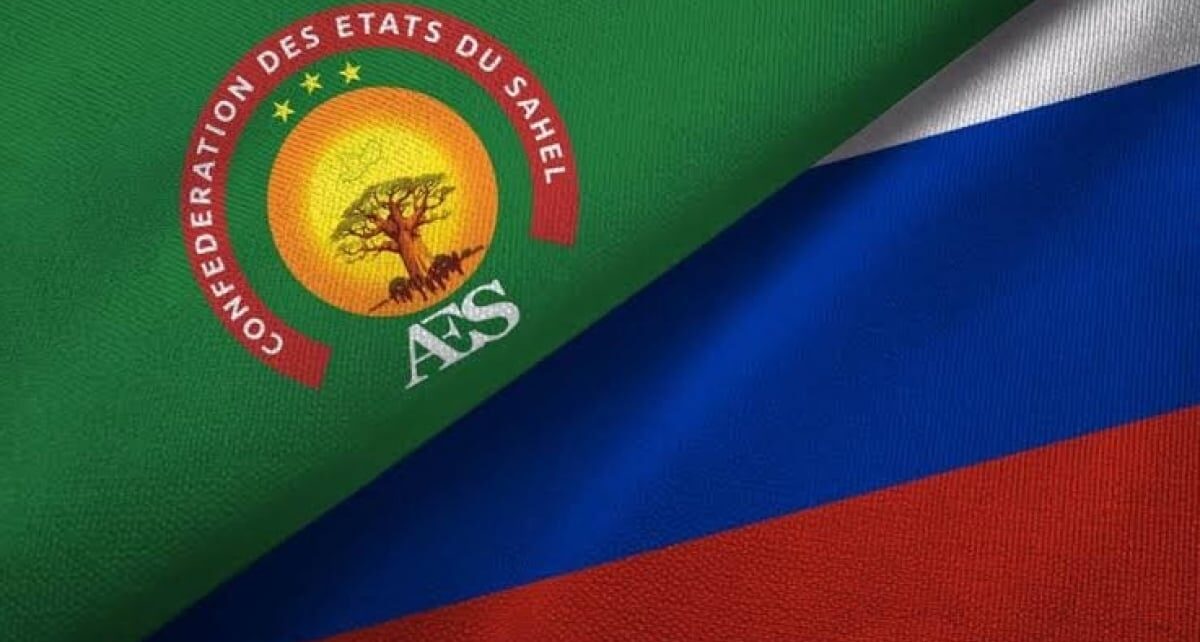
Recent high-level discussions in Niamey have marked a significant step in Russia’s deepening military engagement with the Alliance of Sahel States (AES), comprising Mali, Burkina Faso, and Niger. During a meeting with representatives of the alliance, Russian Foreign Minister Sergei Lavrov outlined plans to bolster defense cooperation to address the escalating security threats posed by extremist groups across the region.
The collaboration comes at a pivotal moment as the AES nations redefine their strategic partnerships, moving away from traditional alliances with Western powers. The intensified military ties are viewed as part of a broader strategy by Moscow to expand its influence in West Africa’s Sahel, where security challenges continue to destabilize local governments and economies.
Military cooperation takes center stage
Following the announcement in Niamey, both Russia and the AES have pledged to enhance joint efforts in combating terrorism and securing borders. This move aligns with the alliance’s broader objectives, including the formation of a unified military force of approximately 5,000 troops, aimed at consolidating defense capabilities and countering regional threats.
The Russian military presence in the Sahel has gained momentum with the deployment of the Russian Army Corps in Africa. This initiative replaces the previous role of private military contractors, signaling a more structured and official approach to military engagement in the region.
Challenges and long-term implications
While military support from Russia may provide short-term relief in counterterrorism operations, analysts caution that it does not address the underlying causes of instability in the Sahel. Issues such as weak governance, economic disparities, climate-induced hardships, and resource competition remain critical factors fueling insurgency and violence.
The AES, established in September 2023, has evolved from a mutual defense treaty into a broader alliance focused on political, economic, and military integration. By early 2025, the alliance took further steps by withdrawing from the Economic Community of West African States (ECOWAS) and advancing plans for a joint military force to enhance regional security.
As Russia solidifies its role in the Sahel, the shifting dynamics are reshaping the geopolitical landscape of West Africa, raising questions about the future of international partnerships and the region’s path toward stability.