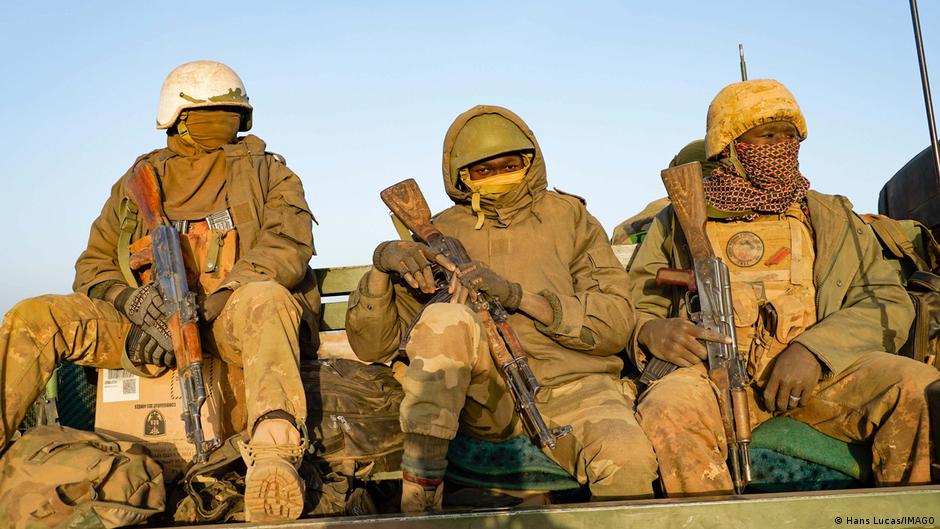
While observers have noted the relatively low number of Russian casualties in recent militant attacks across Mali, analysts point to several key factors behind this disparity. Unlike Malian troops, who bear the brunt of frontline operations, Russian paramilitaries from Africa Corps appear to suffer fewer losses. What’s driving this trend?
The contrast in casualties is striking. In multiple engagements claimed by armed groups, Malian soldiers account for the vast majority of reported fatalities, while Russian fighters remain less affected. Several explanations emerge when examining their roles, troop numbers, and operational strategies.
Numbers tell the story
One of the most compelling reasons lies in sheer force composition. Military analysts estimate that Africa Corps has between 1,500 and 2,000 personnel deployed in Mali, compared to over 13,000 active Malian soldiers. More troops naturally translate to greater exposure in conflict zones.
Additionally, the Russians operate under a distinct mandate. Their primary role is to support Malian forces rather than replace them. As a result, Malian troops remain at the forefront of most operations, occupying high-risk positions across the country. This division of labor shifts the burden of combat casualties primarily onto Malian shoulders, as explained by Mamadou Mouth Bane, a researcher specializing in Sahel militancy and organized crime:
“The explanation is straightforward. It’s the national armies that take the lead. Malian soldiers are positioned in the most dangerous zones, while Russian paramilitaries work in a support capacity. They handle communications, analyze drone data, and manage logistics from the rear. That’s why most frontline deaths and hostages are Malians.”
Russian losses do occur
Despite their lower casualty rates, Russian fighters are not immune to danger. Several have been killed in operations across northern and central Mali over recent years. However, exact figures remain unverified, as neither Bamako nor Moscow releases official death tolls.
Another critical factor is experience. Unlike many Malian troops, Russian paramilitaries are often battle-hardened veterans of multiple international conflicts. This expertise, combined with advanced training and better equipment, enhances their survivability in hostile environments.
Abdoulaye Sounaye, a researcher at the Leibniz-Zentrum Moderner Orient and Sahel specialist, highlights these advantages:
“We’re dealing with two very different forces here. One is a national army, the other a unit of seasoned mercenaries with extensive combat exposure. Many of these fighters have honed their skills in conflicts abroad, bringing advanced tactical knowledge and superior resources—both ground and aerial—to Mali. This combination allows them to respond more effectively to militant threats while reducing their own vulnerability.”
Finally, strategic decisions may play a role. With limited numbers, Russian forces often prioritize protecting critical infrastructure and executing high-priority missions. This leaves Malian troops responsible for holding ground over longer periods, further shifting risk exposure toward local soldiers.