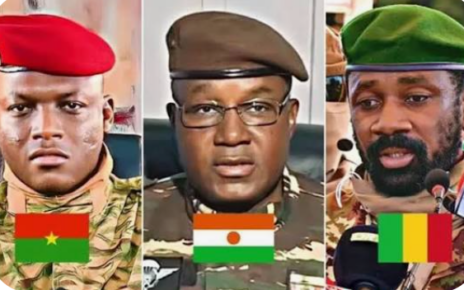
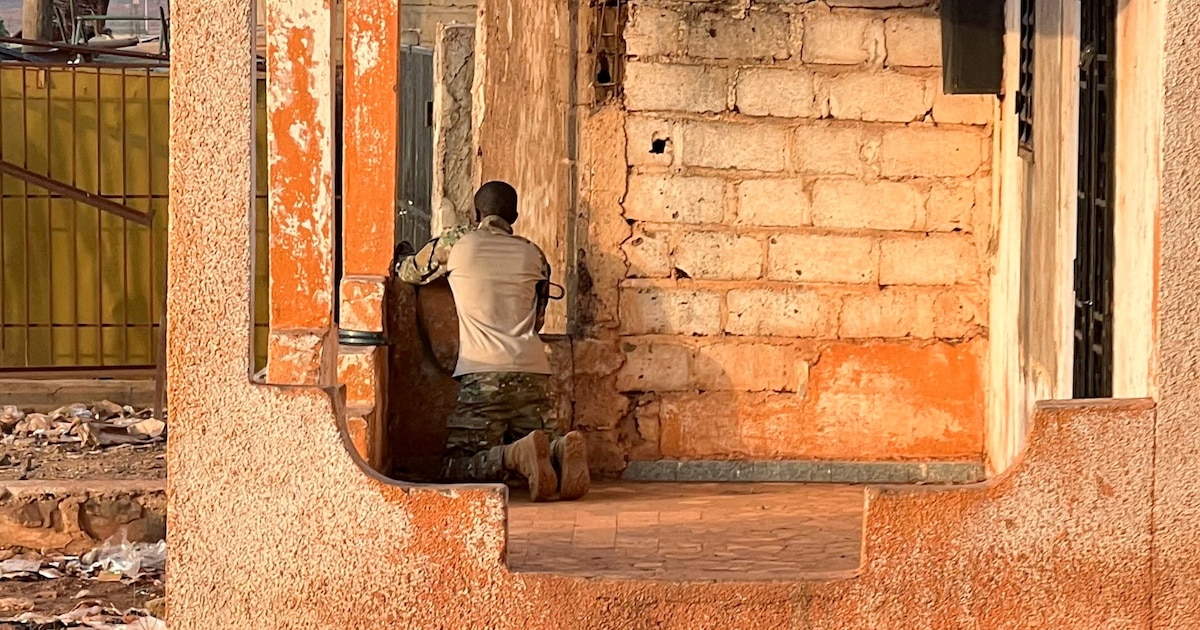
The Mali conflict has reached a critical juncture. On April 26, 2026, in the northeastern city of Kidal, Russian mercenaries from the Africa Corps—successors to the Wagner Group—suffered a humiliating setback. Footage shared online showed their forces abandoning the area in disarray. Under pressure from the GSIM (Group for the Support of Islam and Muslims, also known as JNIM) and their Tuareg rebel allies from the Azawad Liberation Front (FLA), the mercenaries fled so abruptly that they left behind dozens of armored vehicles and helicopters. Several Malian soldiers were captured during brief clashes.
This retreat follows days of coordinated jihadist attacks across Mali, targeting key positions held by the military junta. The GSIM, an Al-Qaeda affiliate, launched offensives in multiple cities, including Bamako, Kati, and Gao. The capital’s outskirts, including Kati—home to the country’s main military base—were hit hard. At least six urban centers fell under attack, signaling a dramatic escalation in the conflict.
Kidal’s fall: a symbolic blow to Russia’s Mali strategy
For the junta in Bamako, the Africa Corps was meant to be a game-changer. But the loss of Kidal, a historic Tuareg stronghold, marks a major failure. In November 2023, Wagner mercenaries had captured the city, hoisting their infamous skull-and-crossbones flag—a key propaganda victory for Moscow. Now, the rebels have reclaimed it, dealing a severe blow to Russia’s military credibility in the Sahel.
“Kidal was the only real strategic success Russia had achieved in Mali since 2021,” noted Djenabou Cissé, a researcher at the Fondation pour la recherche stratégique. “Its loss underscores the fragility of their presence.”
From Wagner to Africa Corps: a losing fight against terrorism
Since the 2021 coup that brought the junta to power, Mali has relied on Russian mercenaries for security. First it was Wagner, then Africa Corps—yet the violence has only worsened. Reports from UN sources and human rights groups have documented a surge in civilian casualties, including sexual violence attributed to Malian forces and their Russian allies. As Wassim Nasr, a jihadist expert, stated: “The mercenaries have long proven ineffective against terrorism, whether under Wagner or Africa Corps.”
The Africa Corps’ withdrawal from Kidal follows a pattern of retreat. Locals claim the mercenaries had advance warning of the attack but failed to act, allegedly negotiating their exit beforehand. If confirmed, this would further weaken Mali’s already strained military.
Bamako under siege: a city at breaking point
The weekend offensive saw jihadist fighters enter Bamako with little resistance. In Kati, the junta’s headquarters, a bomb destroyed the home of Defense Minister Sadio Camara, who was killed in the assault. Prime Minister Abdoulaye Maïga paid tribute to Camara while urging calm, but the damage was done.
Junta leader Assimi Goïta declared the situation “under control” and vowed to eliminate all involved groups. Yet skepticism runs deep. An unnamed Malian officer told RFI: “The Russians betrayed us in Kidal. Their leaders knew of the attack three days prior but did nothing.”
Meanwhile, Kremlin spokesman Dmitri Peskov declined to comment on the Africa Corps’ future role, despite claims that the mercenaries had foiled a coup attempt. As the junta scrambles to maintain authority, the question remains: Can Mali’s military hold out without its Russian backers?